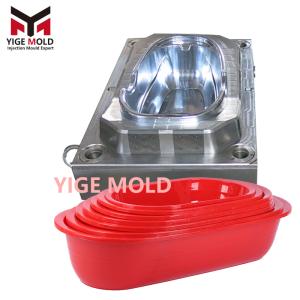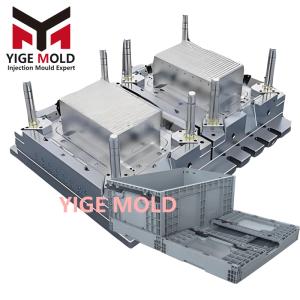
Injection Mold for Plastic Water Buckets
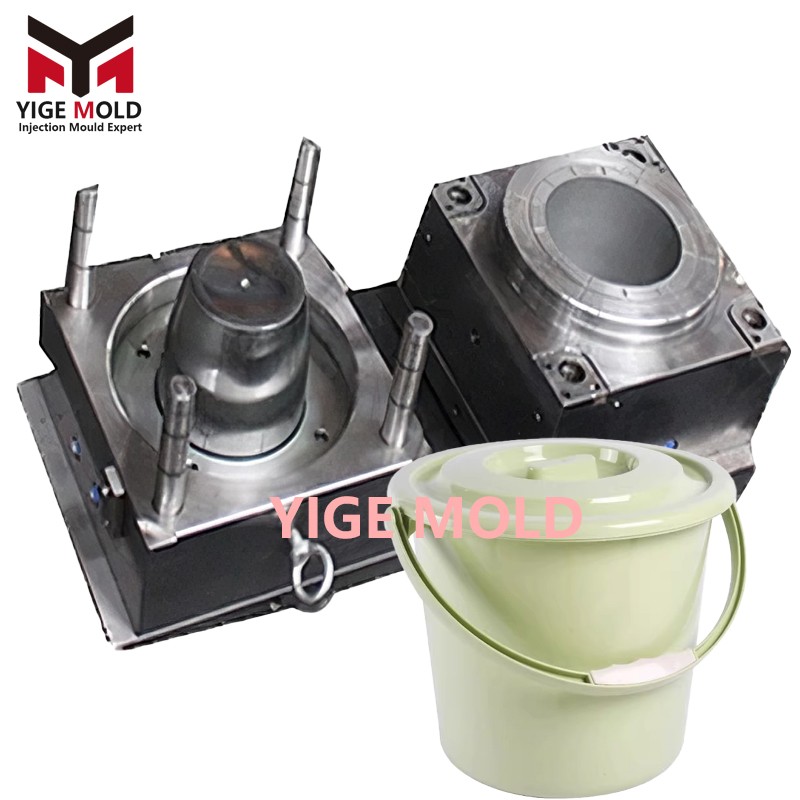
An injection mold for plastic water buckets is a high-precision tool specifically engineered for the mass production of uniform, durable buckets. Its core function is to shape molten thermoplastic material under high pressure within a defined cavity, followed by rapid cooling to achieve the final product's form, strength, and dimensional accuracy. The mold's sophistication directly dictates the bucket's functionality, production cost, and cycle time.
Key design elements distinguish advanced molds. Critical focus is placed on the gating system and cooling channels. The gate design—often a hot runner system to minimize waste—ensures smooth, balanced flow of plastic into the cavity, preventing defects like weld lines or air traps. The cooling channel layout is scientifically engineered to match the bucket's geometry, promoting uniform heat extraction. This minimizes warpage, ensures consistent wall thickness, and crucially reduces the cooling phase duration, which is the longest segment of the injection cycle.
Furthermore, molds are tailored for end-use requirements. Molds for food/water-contact buckets feature highly polished, corrosion-resistant cavity surfaces to prevent bacterial adherence and facilitate demolding. For industrial or agricultural buckets, textured surfaces can be incorporated for improved grip and scratch resistance. Durable materials like pre-hardened or stainless steels are standard for core and cavity components to withstand abrasive polymers and high cyclic stresses over hundreds of thousands of shots.
Ultimately, beyond being a shaping tool, a well-crafted injection mold is a productivity multiplier. It integrates mechanical, thermal, and material science principles to reliably produce leak-proof, robust containers efficiently. Its precision and durability form the foundational link between polymer pellets and the ubiquitous water buckets used in domestic, commercial, and industrial settings worldwide.