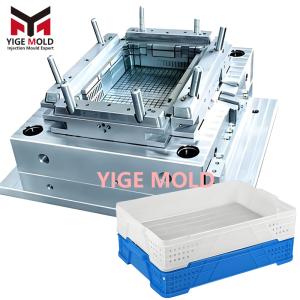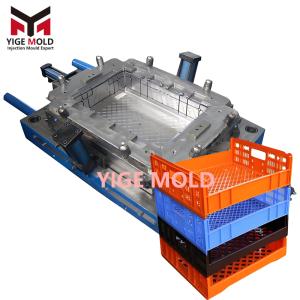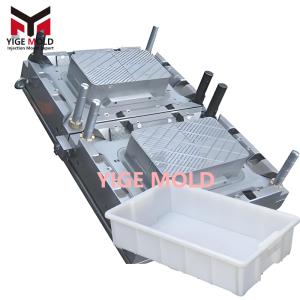
Bread Crate Mold
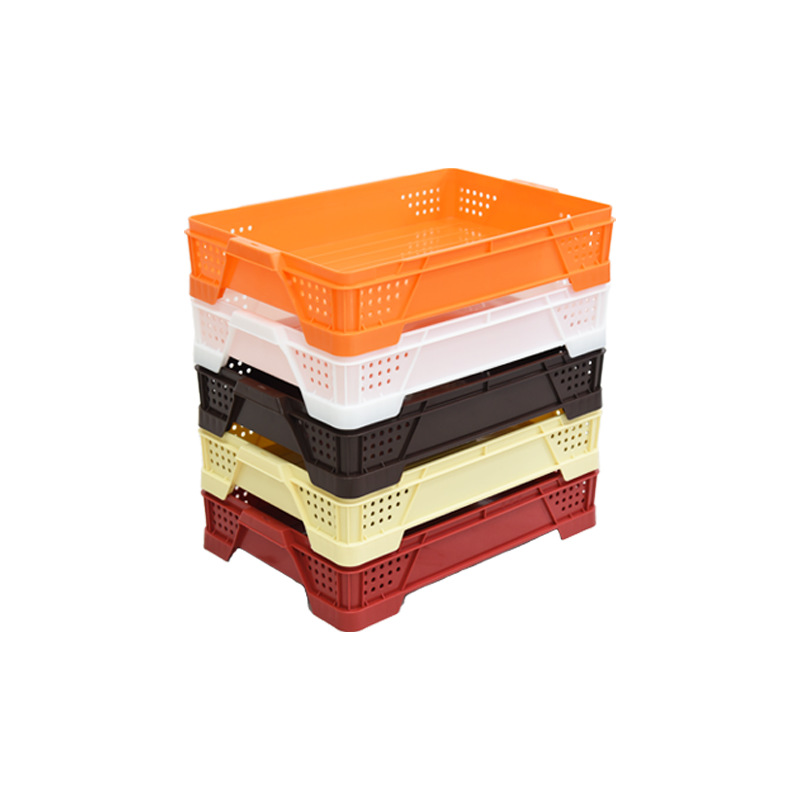
The Unseen Engine of Fresh Bread: How Precision Molds Shape Smarter Bakery Logistics
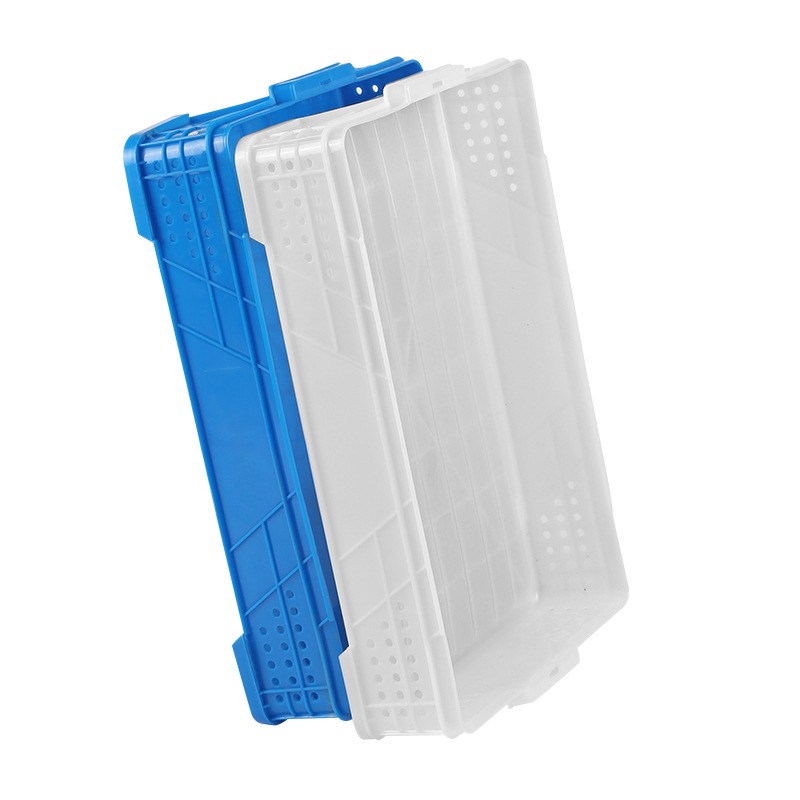
Every morning, thousands of bakeries face the same critical challenge: moving freshly baked bread from oven to store shelf without compromising quality. The secret isn't just in the recipe or the oven—it's in the plastic bread crate that carries it. At YIGE MOLD, we understand that this humble container is the unsung hero of bakery logistics, and its journey begins with one essential component: the injection mold that gives it form.
Why Your Bread Crate Isn't Just a Box—It's a System
Most bakeries don't think about molds until they face problems—soggy bread bottoms, cracked containers during transport, or stacks that collapse in delivery trucks. These aren't manufacturing defects; they're design failures at the mold level.
As a specialized bread crate mould factory, we've identified three non-negotiable elements that separate adequate containers from exceptional ones:
Ventilation Geometry: Not just holes, but strategically placed airflow channels that prevent moisture accumulation
Structural Intelligence: Walls thick enough to withstand stacking, thin enough to optimize material costs
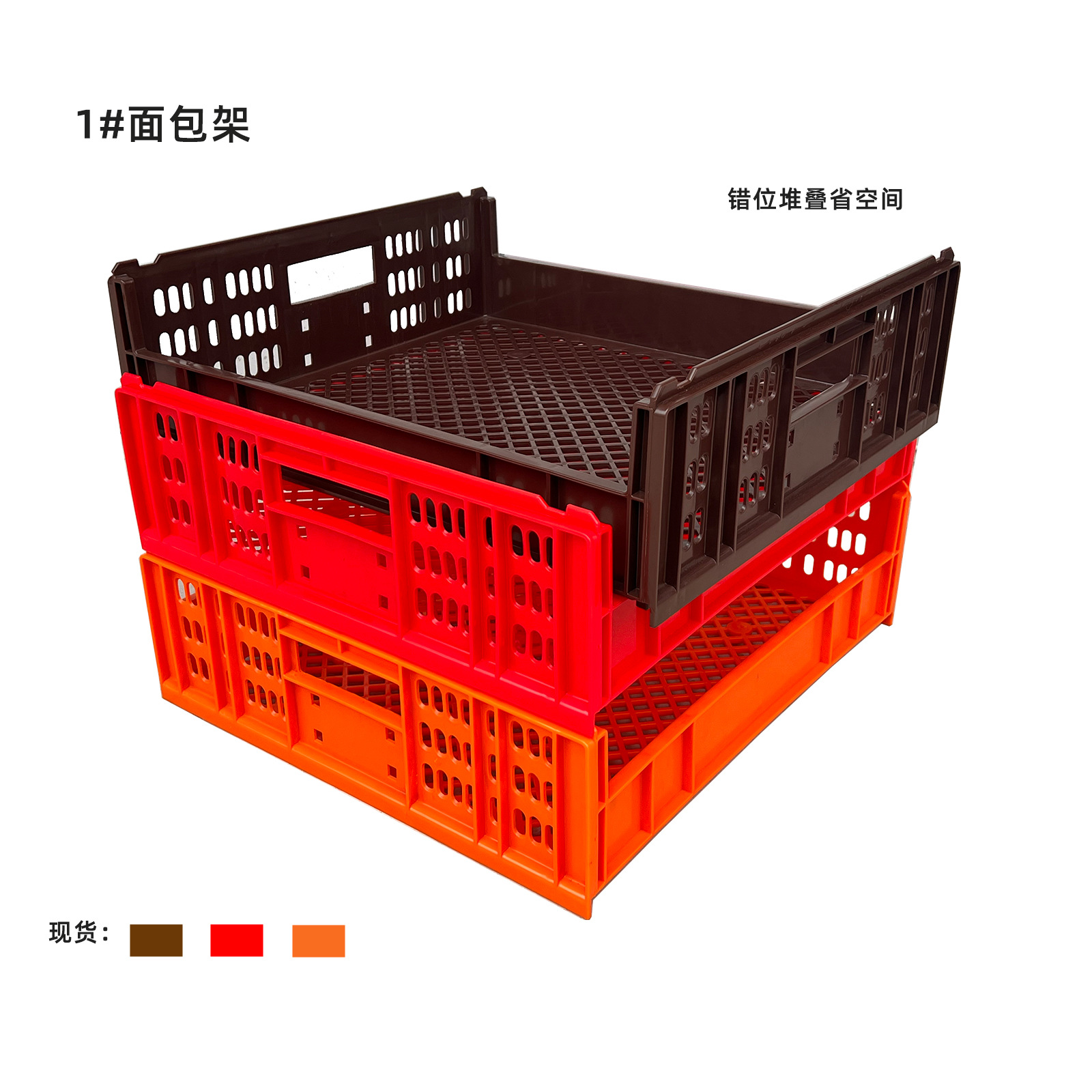
Stack-Nest Precision: Mathematical alignment that allows secure stacking when full and space-saving nesting when empty
The YIGE MOLD Difference: Engineering Beyond Specifications
When you choose YIGE MOLD as your plastic bread box injection mould partner, you're not just buying tooling—you're acquiring a system. Here's what sets our approach apart:
Material Science Applied
We don't just work with plastic; we engineer for it. Our molds are designed specifically for food-grade PP and HDPE, accounting for material shrinkage, cooling rates, and long-term durability. The steel we use (pre-hardened 2738 or corrosion-resistant 420) isn't selected from a catalog—it's chosen based on your production volume and washing frequency.
The 70% Space Solution
One of our clients, a regional bakery chain, was losing 14% of their delivery van space to inefficient crate design. By implementing our stack-nest crate system, they achieved:
70% reduction in empty crate storage space
22% more product per delivery run
Elimination of crate damage during return transport
This transformation didn't come from a new plastic formula—it came from rethinking the mold design from first principles.
From Concept to Crate: Our Process Unpacked
Phase 1: The Logistics Audit
Before we draw a single mold component, we ask unexpected questions:
How many times are your crates washed weekly?
What's the temperature differential between your bakery and delivery vehicles?
What's the maximum height your staff can safely stack loaded crates?
Phase 2: The Prototype That Works Like Production
We don't believe in "showcase" prototypes. The samples we provide are manufactured using the same processes and materials as full production runs. This means you test what you'll actually use, not a idealized version.
Phase 3: The Durability Blueprint
Our bakery crate mould on sale isn't a discounted product—it's a value-engineered solution. Each mold includes:
Modular components for easier maintenance
Standardized wear parts for faster replacement
Cooling channel optimization for 18-25% faster cycle times
The Numbers That Matter: Your ROI in Mold Precision
Consider this comparison:
|
Metric |
Standard Mold |
YIGE MOLD Precision Design |
|
Cycle Time |
40 seconds |
28-32 seconds |
|
Crate Weight |
1.8 kg |
1.5 kg (17% material saving) |
|
Stacking Height |
8 crates |
12 crates stable |
|
Expected Lifespan |
300,000 cycles |
750,000+ cycles |
The difference isn't incremental—it's transformational. For a bakery producing 5,000 crates monthly, our design approach saves approximately 1.5 tons of plastic annually while increasing throughput by 25%.
Beyond the Mold: The Partnership Perspective
Last year, a bakery equipment distributor approached us with a problem: their European clients needed crates that met both EU food safety standards and North American stacking requirements. As their custom plastic bread crate moulds partner, we didn't just adjust dimensions—we:
Redesigned the vent pattern to meet German hygiene regulations
Incorporated reinforced corners for North American pallet standards
Created dual-material compatibility (PP for Europe, HDPE for North America)
The result? One mold system serving two distinct markets, with a 40% reduction in their tooling investment.
Your Next Step: From Bread to Bottom Line
The connection between mold precision and bakery profitability is direct but often overlooked. While everyone focuses on flour costs and oven efficiency, the smart operators optimize what happens after baking.
We invite you to conduct a simple audit:
Measure how much space your empty crates currently consume
Track how many crates crack or fail annually
Calculate the labor hours spent handling inefficient containers
Then bring us your numbers. As your injection molding factory partner, we'll provide a detailed analysis showing exactly how mold precision impacts your operations.
Begin with a conversation, not a commitment. Contact YIGE MOLD today for a no-obligation assessment of your current containers. We'll show you the hidden costs and opportunities in your bakery logistics chain—and how the right mold makes all the difference.
YIGE MOLD | Precision in Every Cavity, Excellence in Every Crate
Where bakery logistics meet mold engineering excellence
quotation@yigemold.com | +86 158 6762 8215 | www.yigemould.com