Indoor Waste Bin Mold

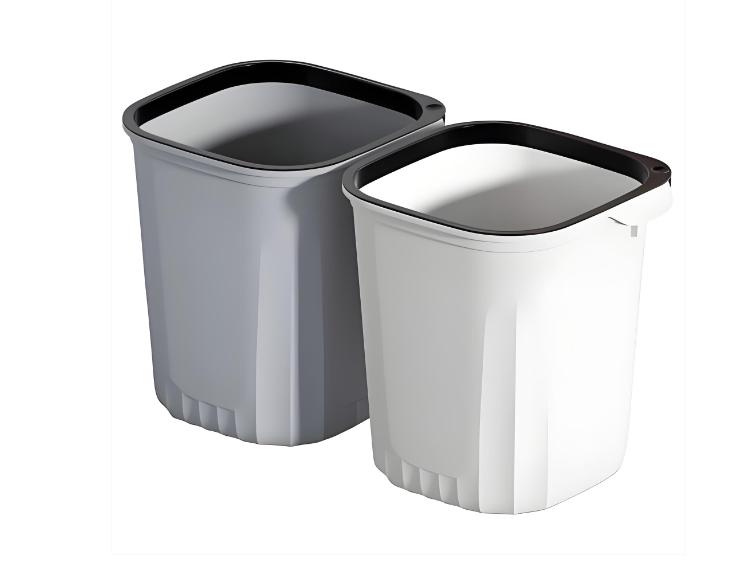
Introduction to Indoor Trash Can Molds
I. Overview of Indoor Trash Can Molds
1.1 Definition of Indoor Trash Can Molds
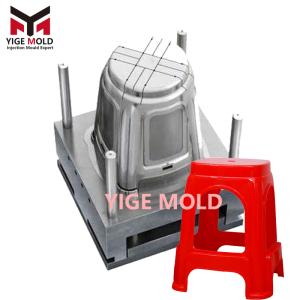
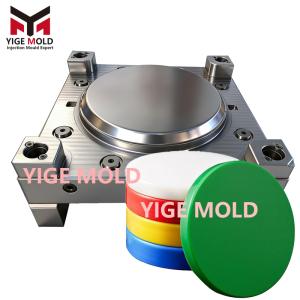
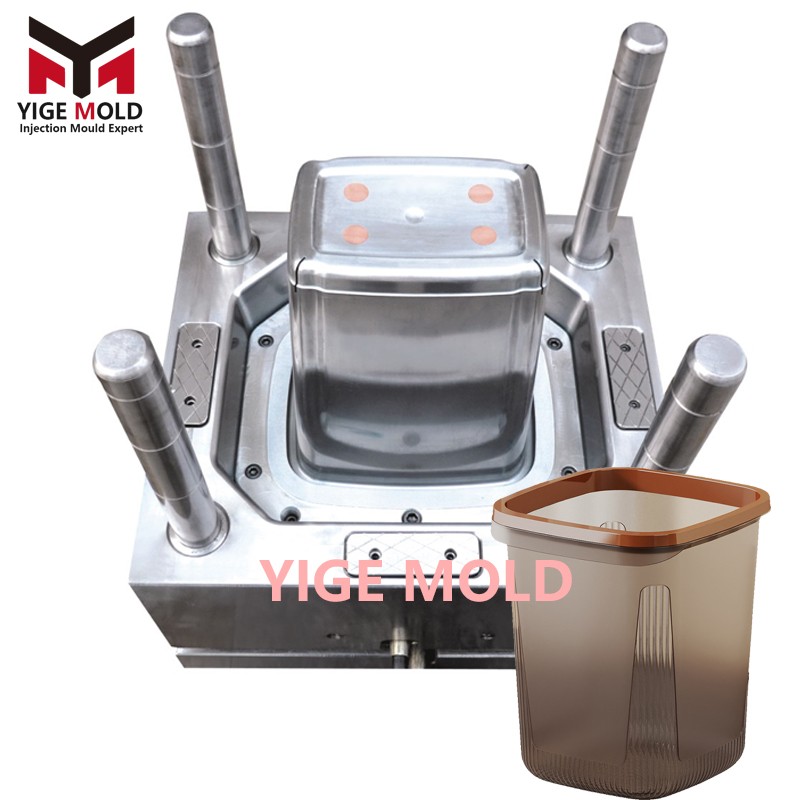
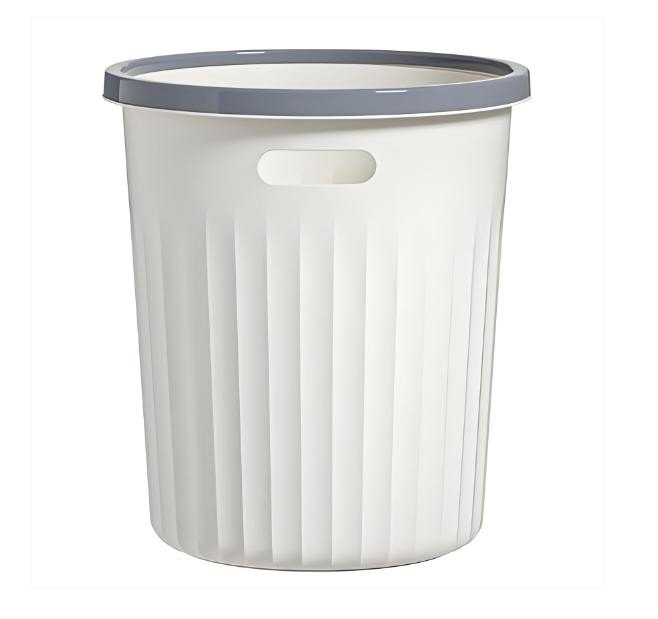
Indoor trash can molds are specialized tools designed specifically for manufacturing indoor trash cans. In the field of plastic product manufacturing, molds play a vital role, and indoor trash can molds represent a significant category within this domain. These molds operate by injecting raw materials such as plastics into the mold cavity under high temperature and pressure. After cooling and solidification, the material forms a finished trash can that conforms precisely to the design specifications.
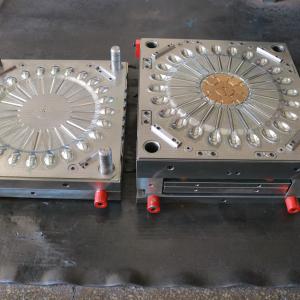
Typically, these molds consist of multiple components, including fixed mold assemblies and moving mold assemblies, which work in tandem to complete the molding process. The fixed mold assembly generally comprises the B-plate(lower clamping plate) and the core insert fixed upon it. Conversely, the moving mold assembly includes the A-plate(upper clamping plate) and the cavity block fixed upon it. The cavity block and core block close together to form the shape of the trash can. The advent of specialized indoor trash can molds has significantly enhanced production efficiency and quality, ensuring dimensional accuracy and aesthetic consistency, thereby providing robust support for the mass production of indoor trash cans.
1.2 Classification of Indoor Trash Can Molds
Indoor trash can molds are classified diversely based on various criteria:
-
By Material: Common types include aluminum alloy molds and steel molds. Aluminum alloy molds are prevalent in the production of small indoor trash cans due to their lightweight nature and excellent thermal conductivity, which accelerates production cycles. Steel molds offer superior strength and durability, making them advantageous for manufacturing large or custom-requirement trash cans capable of withstanding higher injection pressures.
-
By Structure: They are divided into two-plate molds and three-plate molds. Two-plate molds feature a simple structure and lower cost, suitable for relatively simple trash can designs. Three-plate molds are structurally complex, allowing for more precise injection molding, ideal for high-precision and geometrically complex trash cans.
-
By Injection System: This includes hot runner systems and cold runner systems. Hot runner molds reduce raw material waste and improve efficiency but come with higher costs. Cold runner molds are more economical but comparatively less efficient.
Different classifications serve distinct purposes, allowing manufacturers to select molds based on specific production requirements.
II. Design and Manufacturing of Indoor Trash Can Molds
2.1 Design Process and Key Points
The design of indoor trash can molds begins with demand analysis. Designers must thoroughly understand market demands regarding functionality (e.g., capacity, sorting requirements), usage environments (e.g., households, offices, public spaces—each imposing different requirements on size and material), and production constraints and cost factors to ensure feasibility and economic viability.
Based on this analysis, designers proceed to conceptual design, drafting multiple schemes for shapes and structures, followed by comparative analysis to select the optimal solution. Subsequently, the detailed design phase commences, utilizing software like CAD to create 3D models of the mold, defining dimensions, geometries, and assembly relationships of each component. Critical design considerations include:
-
Ensuring mold strength and rigidity to withstand injection pressure.
-
Designing an effective ejection mechanism for smooth demolding.
-
Strategically laying out the cooling system to guarantee uniform cooling and enhance product quality and efficiency.
After iterative modifications and optimizations, the final design is confirmed, serving as the blueprint for subsequent manufacturing.
2.2 Manufacturing Processes and Materials
The manufacturing of indoor trash can molds involves complex processes:
-
Milling: Utilizing milling machines to cut away excess material to achieve required shapes and dimensions.
-
EDM (Electrical Discharge Machining): Suitable for processing complex shapes and narrow slots with high precision.
-
Wire Cutting: Commonly used for cutting intricate contours and fine structures.
-
Grinding: Employed to enhance surface finish and flatness.
Material selection is crucial:
-
Aluminum Alloys: Preferred for small trash can molds due to light weight and good thermal conductivity, shortening cycle times.
-
Steel (e.g., Pre-hardened Steel, Quenched & Tempered Steel): Used for large or high-precision molds due to high strength and hardness.
-
Specialty Alloys (e.g., Beryllium Copper): Applied in specific scenarios requiring excellent thermal conductivity and wear resistance.
Different combinations of processes and materials cater to varied production needs.
III. Market Status of Indoor Trash Can Molds
3.1 Market Demand Analysis
Market demand for indoor trash can molds continues to grow. On one hand, rising living standards and stricter requirements for home environments have increased the consumption of indoor trash cans as daily necessities. On the other hand, the comprehensive promotion of waste sorting policies has spurred demand for trash cans with sorting functions, directly driving the need for corresponding molds.
Trends indicate that intelligence and eco-friendliness are key development directions. The rise of smart homes has brought attention to molds for smart trash cans, requiring higher precision and reliability. Growing environmental awareness is increasing demand for molds compatible with biodegradable materials. Overall demand is propelled by policy regulations, economic levels, and technological advancements.
3.2 Market Competition Landscape
The market features numerous competitors with uneven distribution of market share. Large-scale professional mold manufacturers dominate a significant portion, leveraging advanced technology, extensive experience, and strong financial resources. For instance, renowned enterprises specializing in plastic molds hold prominent positions in this sector.
Small and medium-sized enterprises (SMEs) often occupy the mid-to-low-end market segments through flexible business strategies and cost advantages, primarily serving cost-sensitive small trash can producers. The competitive landscape is intense; large enterprises continuously invest in R&D to improve quality and performance, while SMEs seek differentiation through innovation and service enhancements. Competition extends beyond price to encompass comprehensive capabilities in technology, innovation, and service.
IV. Applications and Development of Indoor Trash Can Molds
4.1 Application Fields and Scenarios
Indoor trash can molds are applied across diverse fields:
-
Household: Producing everything from minimalist bedroom bins to functional kitchen sorting bins.
-
Office Spaces: Manufacturing bins for under-desk use or conference rooms, emphasizing simplicity and coordination with the office environment.
-
Public Places (Malls, Stations, Hospitals): Requiring large quantities of bins that balance functionality, aesthetics, environmental integration, and durability for high-traffic areas.
Customization is essential to meet varying specifications, materials, and functional requirements across these scenarios.
4.2 Technological Innovation and Trends
Technological innovations are continuous:
-
Materials: High-performance materials like carbon fiber reinforced composites are emerging in high-end molds, offering higher strength, lighter weight, and better heat resistance.
-
Manufacturing: Additive Manufacturing (3D Printing) is gaining traction for rapid prototyping of complex structures, reducing lead time and costs.
-
Smart Manufacturing: IoT and Big Data are being integrated for intelligent monitoring and management of the production process.
-
Design: Digitalization and simulation software allow performance prediction and optimization during the design phase, minimizing trial-and-error costs.
Future trends point toward greater efficiency, precision, and intelligence to adapt to evolving market demands.
V. Purchasing and Maintenance of Indoor Trash Can Molds
5.1 Purchasing Tips and Techniques
When purchasing, first clarify your production needs, including estimated output volume and product specifications, to determine the mold type. Prioritize material and craftsmanship—high-quality materials like pre-hardened steel ensure durability, while fine processing guarantees precision. Evaluate the manufacturer's strength and reputation; established brands with good track records usually offer better quality and after-sales support. Finally, consider cost-effectiveness. Verification through factory audits, sample inspections, and customer references is highly recommended.
5.2 Maintenance Methods
Proper maintenance is critical:
-
Cleaning: Regularly wipe the mold with a dry cloth when the machine is open and shut down. Use neutral diluents for stubborn stains and wooden tools for hard-to-reach areas. Never use iron or steel tools to avoid damaging the mold surface.
-
Lubrication: Apply appropriate grease (oil) regularly to moving parts to minimize wear.
-
Inspection: Routinely check components (cavity, core, ejection system) for wear, deformation, or damage. Repair or replace parts immediately if abnormalities are detected.
-
Storage: Store molds properly when not in use, avoiding clutter and preventing rust or physical damage to extend service life.