

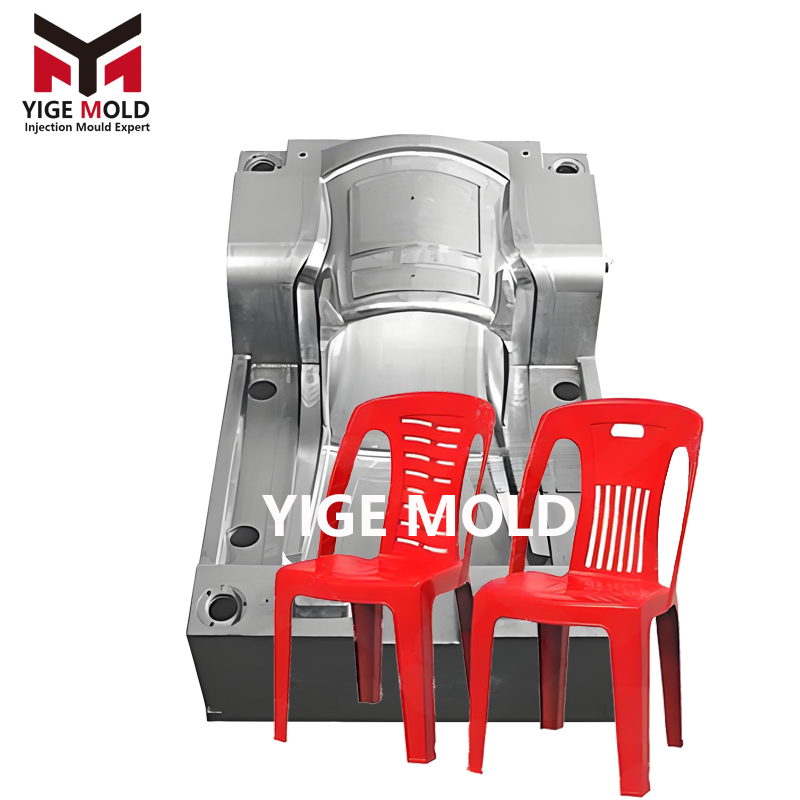
Seat Mold Long-Term Shutdown Maintenance and Rust Prevention Standard Operating Procedure
1. Introduction
1.1 The Importance of Seat Mold Maintenance
In industries like automotive manufacturing, seat molds play a critical role; their quality and condition directly impact both production schedules and product quality. Given their complex structures and high costs, any damage or rust caused by a lack of maintenance will not only significantly increase repair expenses but also lead to production delays, affecting delivery cycles and the company's market reputation. Long-term shutdown maintenance is absolutely essential. It effectively extends the mold's lifespan, reduces production costs, and ensures stable, continuous operations, laying a solid foundation for the company's sustainable development.
In industries like automotive manufacturing, seat molds play a critical role; their quality and condition directly impact both production schedules and product quality. Given their complex structures and high costs, any damage or rust caused by a lack of maintenance will not only significantly increase repair expenses but also lead to production delays, affecting delivery cycles and the company's market reputation. Long-term shutdown maintenance is absolutely essential. It effectively extends the mold's lifespan, reduces production costs, and ensures stable, continuous operations, laying a solid foundation for the company's sustainable development.
1.2 Purpose of This Article
Recognizing the importance of seat mold maintenance, this article aims to provide industry professionals with a scientific and systematic standard operating procedure for long-term shutdown maintenance and rust prevention. Covering everything from thorough pre-shutdown cleaning and specific rust prevention methods to proper storage and regular inspections, this guide helps companies tackle potential issues during long-term storage. It ensures that molds remain in optimal condition for future reactivation, ultimately boosting production efficiency.
Recognizing the importance of seat mold maintenance, this article aims to provide industry professionals with a scientific and systematic standard operating procedure for long-term shutdown maintenance and rust prevention. Covering everything from thorough pre-shutdown cleaning and specific rust prevention methods to proper storage and regular inspections, this guide helps companies tackle potential issues during long-term storage. It ensures that molds remain in optimal condition for future reactivation, ultimately boosting production efficiency.
2. Pre-Shutdown Preparations
2.1 Comprehensive Mold Cleaning
Before shutting down, the seat mold must be thoroughly cleaned. Start by using compressed air to blow away dust from both the interior and exterior surfaces, paying special attention to crevices and corners where dust tends to accumulate. Next, wipe away surface oils using a clean, soft cloth dampened with an appropriate industrial cleaner. For stubborn grease, gently scrape it off using specialized tools like soft spatulas. For hard-to-reach corners and complex structures, use small tools like old toothbrushes for meticulous scrubbing. After cleaning, rinse the mold with water to ensure no cleaning agent residue remains, and finally, wipe it completely dry with a clean, dry soft cloth.
Before shutting down, the seat mold must be thoroughly cleaned. Start by using compressed air to blow away dust from both the interior and exterior surfaces, paying special attention to crevices and corners where dust tends to accumulate. Next, wipe away surface oils using a clean, soft cloth dampened with an appropriate industrial cleaner. For stubborn grease, gently scrape it off using specialized tools like soft spatulas. For hard-to-reach corners and complex structures, use small tools like old toothbrushes for meticulous scrubbing. After cleaning, rinse the mold with water to ensure no cleaning agent residue remains, and finally, wipe it completely dry with a clean, dry soft cloth.
2.2 Inspecting Mold Condition
Inspecting the mold's condition is an indispensable step before shutdown. Conduct a comprehensive check of all components, including critical areas like the cavity, core, sliders, and ejector pins, looking for any cracks, deformation, or abnormal wear. For moving parts such as guide posts and bushings, check their lubrication status and ensure there is no sticking. Also, verify that the cooling water channels are clear and free of blockages or leaks. Document any damage or wear discovered during the inspection in detail—including the location and severity—to provide a basis for subsequent maintenance and to help evaluate the mold's remaining lifespan.
Inspecting the mold's condition is an indispensable step before shutdown. Conduct a comprehensive check of all components, including critical areas like the cavity, core, sliders, and ejector pins, looking for any cracks, deformation, or abnormal wear. For moving parts such as guide posts and bushings, check their lubrication status and ensure there is no sticking. Also, verify that the cooling water channels are clear and free of blockages or leaks. Document any damage or wear discovered during the inspection in detail—including the location and severity—to provide a basis for subsequent maintenance and to help evaluate the mold's remaining lifespan.
3. Rust Prevention Measures
3.1 Selecting the Right Rust Preventative
Seat molds are made from various materials, such as steel and aluminum alloys, each with different sensitivities to rust preventative ingredients. For steel molds, avoid products containing chloride ions to prevent corrosion. The environment is another crucial factor; in humid conditions where moisture accelerates rust, opt for oil-based or vapor phase rust preventatives with stronger protective properties. In dry environments, rust-preventative grease may suffice. Storage duration also dictates the choice; for long-term storage, long-lasting rust-preventative oils or vapor phase materials are ideal as they form a durable protective film. Additionally, consider how the preventative might affect subsequent processing, ensuring it doesn't interfere with surface treatments or production use (e.g., mold release performance). Common options include soft-film rust-preventative oils, hard-film rust-preventative oils, and vapor phase rust-preventative paper.
Seat molds are made from various materials, such as steel and aluminum alloys, each with different sensitivities to rust preventative ingredients. For steel molds, avoid products containing chloride ions to prevent corrosion. The environment is another crucial factor; in humid conditions where moisture accelerates rust, opt for oil-based or vapor phase rust preventatives with stronger protective properties. In dry environments, rust-preventative grease may suffice. Storage duration also dictates the choice; for long-term storage, long-lasting rust-preventative oils or vapor phase materials are ideal as they form a durable protective film. Additionally, consider how the preventative might affect subsequent processing, ensuring it doesn't interfere with surface treatments or production use (e.g., mold release performance). Common options include soft-film rust-preventative oils, hard-film rust-preventative oils, and vapor phase rust-preventative paper.
3.2 Correct Application of Rust Preventative
Before applying the rust preventative, ensure the mold surface is completely dry, clean, and free of foreign objects. Use a clean soft cloth or brush to apply an appropriate amount of the product evenly across the surface. Pay special attention to critical areas like the cavity and core, ensuring no spots are missed. Apply with moderate pressure to avoid damaging the mold surface. After application, inspect the coating for uniformity, checking for any pooling or missed areas. For areas with special requirements, such as rust-prone corners and crevices, apply a slightly thicker layer. Once applied, allow the rust preventative to dry and cure. During this time, keep the mold away from moisture and dust to ensure the protective layer functions optimally.
Before applying the rust preventative, ensure the mold surface is completely dry, clean, and free of foreign objects. Use a clean soft cloth or brush to apply an appropriate amount of the product evenly across the surface. Pay special attention to critical areas like the cavity and core, ensuring no spots are missed. Apply with moderate pressure to avoid damaging the mold surface. After application, inspect the coating for uniformity, checking for any pooling or missed areas. For areas with special requirements, such as rust-prone corners and crevices, apply a slightly thicker layer. Once applied, allow the rust preventative to dry and cure. During this time, keep the mold away from moisture and dust to ensure the protective layer functions optimally.
4. Storage Environment Requirements
4.1 Temperature and Humidity Control
The storage environment for seat molds has strict temperature and humidity requirements. Generally, the temperature should be maintained between 15°C and 30°C, with humidity levels between 40% and 60%. Excessive heat can alter the material properties of the mold; for instance, certain metal components may develop internal stress due to thermal expansion and contraction during drastic temperature fluctuations, compromising precision and strength. High humidity easily causes surface rust and can lead to mold growth or deformation in non-metallic parts. Conversely, excessively low temperatures can thicken lubricating oils, impairing the lubrication of moving parts and potentially causing jams when the mold is reactivated.
The storage environment for seat molds has strict temperature and humidity requirements. Generally, the temperature should be maintained between 15°C and 30°C, with humidity levels between 40% and 60%. Excessive heat can alter the material properties of the mold; for instance, certain metal components may develop internal stress due to thermal expansion and contraction during drastic temperature fluctuations, compromising precision and strength. High humidity easily causes surface rust and can lead to mold growth or deformation in non-metallic parts. Conversely, excessively low temperatures can thicken lubricating oils, impairing the lubrication of moving parts and potentially causing jams when the mold is reactivated.
4.2 Maintaining Ventilation and Dryness
The storage area must also be well-ventilated and dry. Good ventilation ensures proper air circulation, promptly removing damp air and reducing the risk of mold growth. A dry environment is essential to prevent mold spores from proliferating. If mold grows on the mold's surface, it will require significant time and effort to clean before reactivation, and incomplete removal could affect performance, thereby increasing production costs and maintenance workloads.
The storage area must also be well-ventilated and dry. Good ventilation ensures proper air circulation, promptly removing damp air and reducing the risk of mold growth. A dry environment is essential to prevent mold spores from proliferating. If mold grows on the mold's surface, it will require significant time and effort to clean before reactivation, and incomplete removal could affect performance, thereby increasing production costs and maintenance workloads.
5. Regular Maintenance and Inspections
Post time:2026-06-22