Garbage Can Mold
 Systematic Technical Analysis of Garbage Can Molds
I. Product Definition and Classification
1.1 Mold Functional Positioning
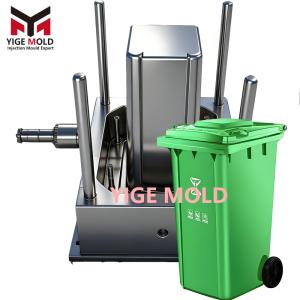
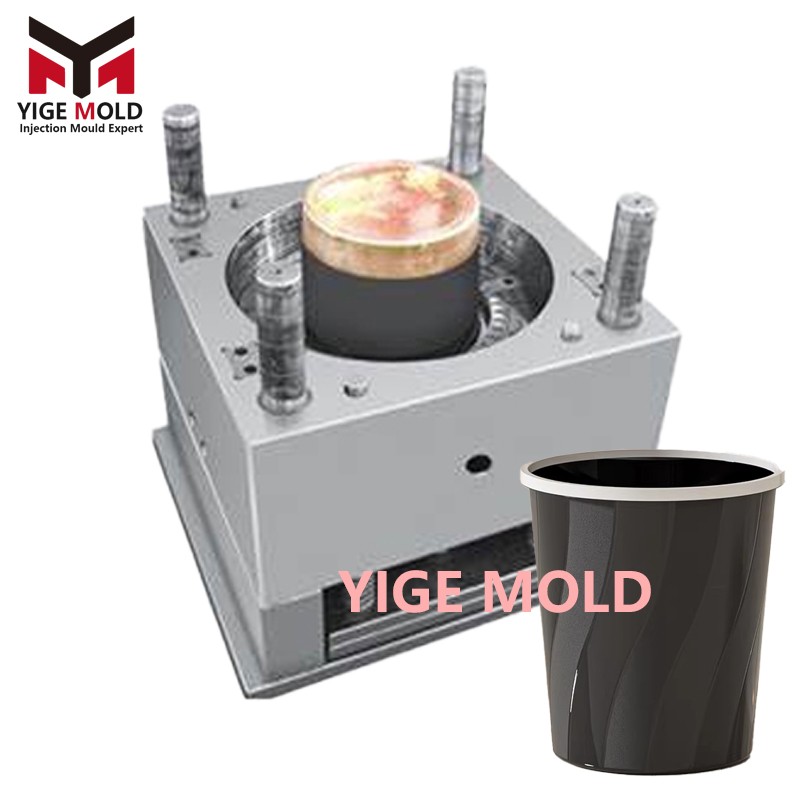
Garbage can molds are professional molding tools used for producing various types of garbage containers, primarily manufacturing sanitary containers made of plastic, metal, and other materials. Based on usage scenarios, they can be classified into three main categories: household, commercial, and municipal, meeting waste collection needs in different environments.
1.2 Main Product Types
-
Household Series: Kitchen garbage cans, bathroom garbage cans, bedroom garbage cans
-
Commercial Series: Office garbage cans, public space garbage cans
-
Municipal Series: Street garbage cans, park garbage cans, recycling bins
II. Key Points in Mold Structure Design
2.1 Can Body Structure Design
Main Body Structure
-
Wall thickness design: Can body wall thickness 1.8-2.5mm, reinforcement rib thickness 1.0-1.5mm
-
Bottom reinforcement: Radiating rib design, load capacity ≥50kg
-
Edge treatment: Rolled edge design, thickness 3-4mm, preventing deformation
Lid Opening Structure
-
Hinge design: Integrated hinge or metal shaft hinge
-
Sealing structure: Silicone sealing strip mounting slots
-
Balance system: Optimized center of gravity design, anti-tipping angle ≥15°
2.2 Functional Design
Classification Design
-
Partition structure: Removable partition design
-
Identification area: Raised markings or colored block areas
-
Inner bucket compatibility: Compatible inner bucket snap-fit structure
Mobility Design
-
Wheel installation: Wheel axle fixing structure
-
Handle design: Ergonomic handle shape
-
Stability structure: Four-point support or triangular stability design
III. Material Selection Standards
3.1 Plastic Material Applications
Common Plastic Types
-
Polypropylene (PP): Universal type, moderate cost
-
High-Density Polyethylene (HDPE): High toughness, impact resistant
-
ABS Engineering Plastic: High strength, good surface gloss
Material Performance Requirements
-
Impact resistance: Passes room temperature ball impact test
-
Weather resistance: Outdoor service life ≥3 years
-
Hygiene and safety: Complies with food contact material standards
3.2 Steel Selection
Mold Steels
-
Core and cavity: Pre-hardened steels such as P20, 718
-
Moving parts: Stainless steels such as S136, NAK80
-
Wear-resistant parts: Hot-work mold steels such as SKD61
Surface Treatment
-
Polishing: Mirror polishing of cavity surfaces
-
Coating: Wear-resistant coating to extend service life
-
Corrosion protection: Anti-rust treatment for cooling water channels
IV. Manufacturing Process Standards
4.1 Machining Process Flow
Rough Machining Stage
-
Template machining: Flatness ≤0.02mm/m
-
Cavity rough milling: 0.3-0.5mm allowance
-
Heat treatment: Vacuum quenching
Precision Machining Stage
-
Cavity fine milling: Dimensional accuracy ±0.05mm
-
Electrode machining: EDM for complex areas
-
Polishing: Surface roughness Ra ≤0.2μm
Assembly and Debugging
-
Fit inspection: Slide clearance 0.03-0.05mm
-
Action testing: Smooth operation of all mechanisms
-
Trial and adjustment: Parameter optimization
4.2 Precision Control
Dimensional Accuracy
-
Overall dimensions: Tolerance ±0.2%
-
Wall thickness uniformity: Deviation ≤10%
-
Assembly dimensions: Fit clearance 0.1-0.3mm
Appearance Quality
-
Surface finish: No weld lines, sink marks
-
Clear edges: Natural edge transitions
-
Uniform color: No flow marks, color differences
V. Production Process Parameters
5.1 Injection Molding Process
Temperature Control
-
Barrel temperature: 180-230°C (adjusted according to material)
-
Mold temperature: 40-60°C (for PP material)
-
Hot runner temperature: 200-220°C
Pressure Control
-
Injection pressure: 60-100MPa
-
Holding pressure: 30-50MPa
-
Back pressure: 5-15MPa
Time Control
-
Injection time: 3-8 seconds
-
Holding time: 10-30 seconds
-
Cooling time: 20-60 seconds
5.2 Quality Control
Production Process Control
-
First article inspection: Before each production shift
-
Patrol inspection: Sampling every hour
-
Final inspection: After production completion
Performance Testing
-
Load test: Rated load for 24 hours
-
Drop test: Free fall from specified height
-
Life test: Opening/closing cycles ≥50,000 times
VI. Mold Maintenance Management
6.1 Daily Maintenance
Pre-production Inspection
-
Cleanliness: No oil stains, foreign matter in cavities
-
Lubrication: Proper lubrication of moving parts
-
Tightness check: No looseness in connection points
Production Monitoring
-
Temperature monitoring: Stable temperatures at all points
-
Action observation: Smooth, normal operation
-
Product inspection: Regular product quality checks
6.2 Regular Maintenance
Weekly Maintenance
-
Comprehensive cleaning: Cleaning of cavities and sliders
-
Lubrication replenishment: Refilling lubrication points
-
Tightness inspection: Bolt tightening check
Monthly Maintenance
-
Precision inspection: Measurement of key dimensions
-
Wear inspection: Condition check of wearing parts
-
Function testing: Mechanism function verification
Quarterly Maintenance
-
Complete disassembly: Thorough cleaning and inspection
-
Component replacement: Replacement of worn parts
-
Precision restoration: Dimensional accuracy restoration
VII. Production Cost Analysis
7.1 Mold Costs
Manufacturing Costs
-
Small molds (≤50L): 50,000-100,000 RMB
-
Medium molds (50-100L): 100,000-200,000 RMB
-
Large molds (≥100L): 200,000-300,000 RMB
Influencing Factors
-
Structural complexity: Higher complexity increases cost
-
Size: Larger size increases cost
-
Accuracy requirements: Higher precision increases cost
7.2 Production Costs
Material Costs
-
Plastic raw materials: 60-70% of total cost
-
Auxiliary materials: Packaging, labels, etc.
Processing Costs
-
Energy consumption: Electricity for injection machine operation
-
Labor costs: Operator wages
-
Mold amortization: Mold cost allocated by production volume
VIII. Application Areas
8.1 Household Use
Kitchen Scenarios
-
Foot-operated garbage cans
-
Classification garbage cans
-
Hidden garbage cans
Bathroom Scenarios
-
Covered garbage cans
-
Compact garbage cans
-
Medical garbage cans
8.2 Commercial Use
Office Scenarios
-
Wastepaper baskets
-
Combined garbage cans
-
Smart sensor garbage cans
Public Spaces
-
Lobby garbage cans
-
Corridor garbage cans
-
Meeting room garbage cans
8.3 Municipal Use
Outdoor Scenarios
-
Park garbage cans
-
Street garbage cans
-
Bus stop garbage cans
Special Scenarios
-
Recycling bins
-
Medical waste containers
-
Industrial waste containers
Conclusion
The design and manufacturing of garbage can molds require comprehensive consideration of usage requirements, material characteristics, production processes, and other factors. Through reasonable structural design, precise manufacturing processes, and strict quality control, high-quality garbage can products that meet various usage scenarios can be produced. The design level and manufacturing quality of the mold directly affect the performance and service life of the final product, making the selection of professional mold manufacturers crucial.