Plastic water container mold
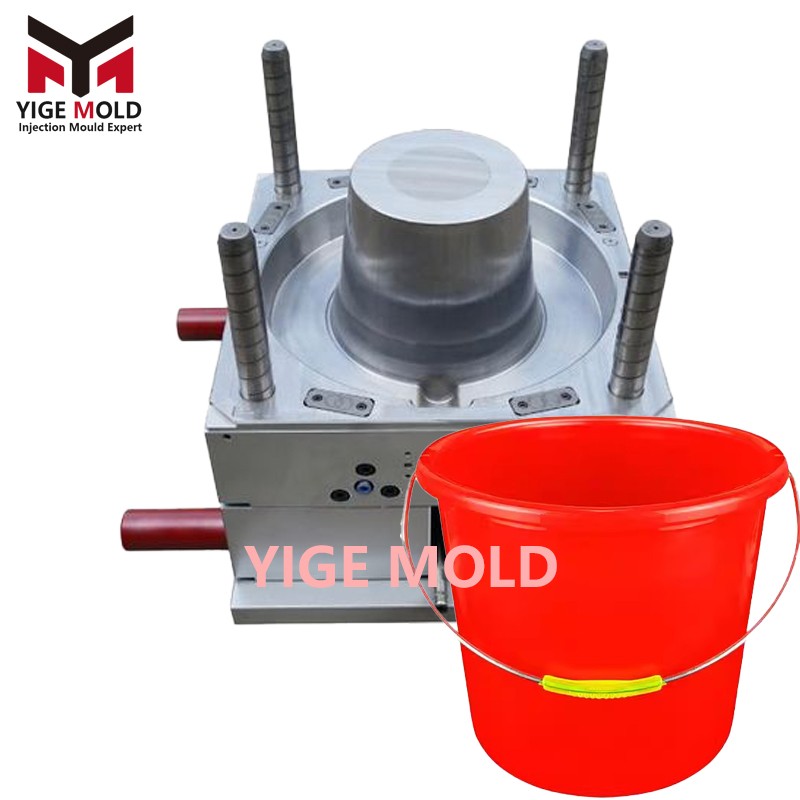
Plastic water container molds are specialized manufacturing systems used to produce various liquid storage and transportation containers, covering a complete range from 5-liter household water storage buckets to 1000-liter industrial water storage tanks. The design and manufacturing of these molds must consider not only the basic storage and transportation functions of the container but also meet composite requirements such as food hygiene standards, structural strength, and long-term reliability. Modern plastic water container molds integrate multidisciplinary knowledge from fluid dynamics, materials science, and structural engineering. Their technical core lies in achieving the optimal balance between container performance and production efficiency.
1. Wall Thickness Optimization System
Differentiated wall thickness design solutions are adopted for water containers of varying capacities. Small containers (5-30 liters) use a uniform wall thickness design (2.5-3.5mm), enhancing rigidity through a rib system. Medium containers (50-200 liters) employ a graduated wall thickness design, increasing thickness by 20-30% in the base area to withstand water pressure. Large containers (200+ liters) use a double-wall structure with reinforcement grids between inner and outer walls, with overall thickness controlled within the 4-6mm range. All wall thickness designs are validated by finite element analysis, ensuring a safety factor of no less than 2.5 under the worst-case conditions (fully loaded, stacked three high).
2. Stacking and Handling System
The stacking structure design involves precise coordination between top stacking grooves and bottom support ribs. Stacking groove depth is 8-12mm with a 3-5° inclination angle to ensure self-alignment during stacking. Handle systems are designed based on ergonomic principles, with single handles bearing no more than 15kg, and dual-handle systems distributing loads evenly. Large container bases feature standardized pallet interfaces compatible with various handling equipment. Handles and container bodies are integrally injection molded, with stress-dispersing structures at connection points, achieving a fatigue life test of 5000 cycles without failure.
3. Sealing and Opening Systems
Barrel openings use standardized thread designs (ISO or US standards), with optimized thread profiles ensuring complete compatibility with standard lids. Large water storage tanks feature manholes 150-300mm in diameter with dual sealing structures: primary sealing via rubber gasket compression (compression rate 25-30%); secondary sealing via a labyrinth-type waterproof structure to prevent capillary water seepage. Outlets incorporate anti-siphon structures and dust caps to prevent secondary contamination. All opening edges are rounded with a radius of R2-R3mm.
1. Cavity Machining Technology
Large water container mold cavities typically employ segmented machining. Cavities over 800mm in diameter are milled as a whole using five-axis machining centers with optimized tool paths, controlling scallop height within 0.01mm. Critical curved surfaces are finish-machined with ball-nose end mills (stepover 0.1mm), achieving surface roughness Ra 0.4μm. Rib slots are cleared with small tools (φ3-φ6mm diameter), with depth-to-width ratio controlled below 3:1 to avoid excessive tool wear. Threaded areas are machined with specialized thread mills, achieving pitch accuracy of ±0.02mm.
2. Cooling System Innovation
Addressing significant wall thickness variations in water containers, a zoned cooling solution is developed. Thin-walled areas (e.g., handles) use φ6mm diameter cooling channels spaced 40-50mm apart. Thick-walled areas (e.g., bases) use φ10mm diameter channels spaced 60-80mm apart. Special areas incorporate conformal cooling channels, ensuring uniform distance (15±2mm) from the cavity surface. The cooling system is divided into 8-12 independent circuits, with each circuit's flow rate controlled at 8-12 L/min and temperature monitoring accuracy ±0.5°C.
3. Venting System Design
Large water container molds utilize a multi-level venting system design. Primary vents are placed on the parting line, with vent groove depths of 0.02-0.03mm and widths of 5-8mm. Secondary venting is achieved through ejector pin clearances, controlled at 0.015-0.025mm. Tertiary venting employs porous vent inserts at flow ends, with porosity of 30-40%. Quaternary venting uses a vacuum-assisted system achieving vacuum levels above -0.08MPa. Total venting area accounts for 0.05-0.08% of the projected area.
1. Mold Steel Selection
Cavities and cores use pre-hardened mold steels 718H or NAK80, hardness HRC 36-40, ensuring good polishability and sufficient wear resistance. Sliders and lifters use quenched steel H13, hardness HRC 48-52, with surface nitriding treatment achieving a case depth of 0.15-0.25mm. Hot runner systems use stainless steel for excellent corrosion resistance. Guide pillars and bushes use high-carbon steel with hard chrome plating, hardness HRC 60+.
2. Surface Treatment Process
Food-contact surfaces undergo mirror polishing: 600# sandpaper rough grinding → 1000# sandpaper fine grinding → 3μm diamond compound polishing → 1μm diamond compound fine polishing → final polishing with chromium oxide. Final surface roughness reaches Ra ≤ 0.025μm, fully meeting food-grade requirements. Non-appearance surfaces receive VDI 18-20 spark erosion texture, aiding demolding and hiding shrinkage marks. All moving components undergo PVD coating (TiN or CrN), reducing the friction coefficient to below 0.1.
3. Plastic Material Compatibility
Materials are selected based on usage requirements: General-purpose uses High-Density Polyethylene (HDPE), Melt Flow Index 0.3-0.5 g/10min; Food-grade uses Linear Low-Density Polyethylene (LLDPE), compliant with FDA standards; Special applications use Polypropylene (PP), withstanding temperatures up to 100°C+. Color masterbatch content is controlled at 1-2%, ensuring color uniformity and stability.
1. Dimensional Accuracy Control
Full-dimensional inspection uses Coordinate Measuring Machines (CMM). Major dimension tolerance: ±0.15mm; Minor dimension tolerance: ±0.3mm. Roundness tolerance controlled within 0.2% of diameter. Wall thickness measured using ultrasonic thickness gauges, uniformity deviation not exceeding ±10%. Threads inspected with Go/No-Go gauges, achieving fit accuracy grade 6H/6g.
2. Sealing Performance Testing
Containers undergo sealing tests when filled with water: 0.03MPa pressure held for 30 minutes with no leakage. Threaded connection areas tested with torque testers: tightening torque 3-5 N·m, loosening torque 2-4 N·m. Large containers undergo hydrostatic pressure tests at 1.5 times working pressure, held for 2 hours with no deformation or leakage.
3. Mechanical Performance Verification
Stacking test: Containers fully loaded and stacked three high, deformation after 24 hours not exceeding 0.5% of height. Drop test: Free fall from 1.2 meters height, three consecutive times without rupture. Handle strength test: Apply 1.5 times rated load, hold for 5 minutes with no permanent deformation. Fatigue test: Simulate actual use with 5000 lift/place cycles, all connection points show no loosening or cracking.
1. Rapid Molding Technology
Optimizing the gating system reduces fill time by 15-20%. Variotherm mold temperature technology cycles mold temperature between 40-80°C, ensuring surface quality while shortening cooling time. Developing quick demolding mechanisms reduces mold opening stroke by 10% and increases ejection speed by 20%. Standardizing mold interfaces controls mold changeover time within 25 minutes.
2. Automated Production Integration
Mold design considers automated production needs, incorporating standardized part removal positions and orientations. Ejection systems synchronize with robot signals for unmanned operation. Automatic inspection stations use vision systems to check product integrity. Developing automated packaging lines achieves full-process automation from molding to packaging.
3. Energy Management System
Cooling systems use variable frequency control, adjusting flow based on actual needs, saving over 30% energy. Hot runner systems employ zoned control with independent temperature regulation for each zone, avoiding energy waste. Insulation layers added externally to molds reduce heat loss. Optimizing heating power configuration reduces total power by 15-20%.
1. Household Water Storage Containers
Capacity 5-30 liters, using food-grade materials, with aesthetic and ergonomic exterior design. Include dust caps and handles for daily use. Base designed with anti-slip structure for stable placement. Various colors available to suit different home environments.
2. Commercial Water Containers
Capacity 50-200 liters, suitable for offices, restaurants, etc. Equipped with taps and stands for easy use. Materials offer UV resistance for indoor/outdoor use. Stackable design saves storage space and improves logistics efficiency.
3. Industrial Water Storage Systems
Capacity 500-1000 liters, using high-strength materials with wall thickness 4-6mm. Feature multiple inlet/outlet and drain ports for system integration. Offer corrosion and algae growth resistance. Can be configured with level indicators and automatic control systems.
4. Emergency Water Storage Equipment
Specifically designed for disaster response, capacity 100-500 liters. Feature impact resistance and good weather resistance. Collapsible design reduces volume by 80% when empty. Equipped with interfaces for connecting to water purification systems.
New water container molds are evolving towards intelligence and added functionality. Integrated sensor mounting structures enable real-time water level and quality monitoring. Development of multi-layer composite structures: antibacterial inner layer, UV-resistant outer layer. Use of recyclable materials improves environmental performance. Optimized logistics design allows nesting of empty containers for transport, reducing shipping costs.
The investment payback period for plastic water container molds is typically 18-24 months. Mold life can reach 800,000 to 1 million cycles, with daily production capacity of 2,000-3,000 pieces. Material utilization exceeds 95%, scrap rate controlled below 0.5%. Through optimized design, individual container weight is reduced by 10-15%, lowering material costs while maintaining strength.
With increasing awareness of water resource management and advancements in plastic processing technology, water container molds are developing towards greater safety, efficiency, and environmental friendliness. Rising hygiene standards drive upgrades in mold surface treatment technology. Increasing logistics costs make lightweight design mainstream. Intelligentization demands promote the integration of molds and electronic technology. Tightening environmental regulations encourage the use of recyclable materials and green manufacturing processes.
The technological advancement of plastic water container molds is reflected not only in improved manufacturing precision and production efficiency but also in a deeper understanding of usage safety and environmental protection. From material selection to structural design, from manufacturing processes to quality control, each stage embodies profound consideration for water resource protection and utilization. In the future, with the continuous emergence of new materials and processes, water container molds will play an increasingly important role in ensuring drinking water safety and improving water resource utilization efficiency, becoming a vital technical pillar in modern water resource management systems.
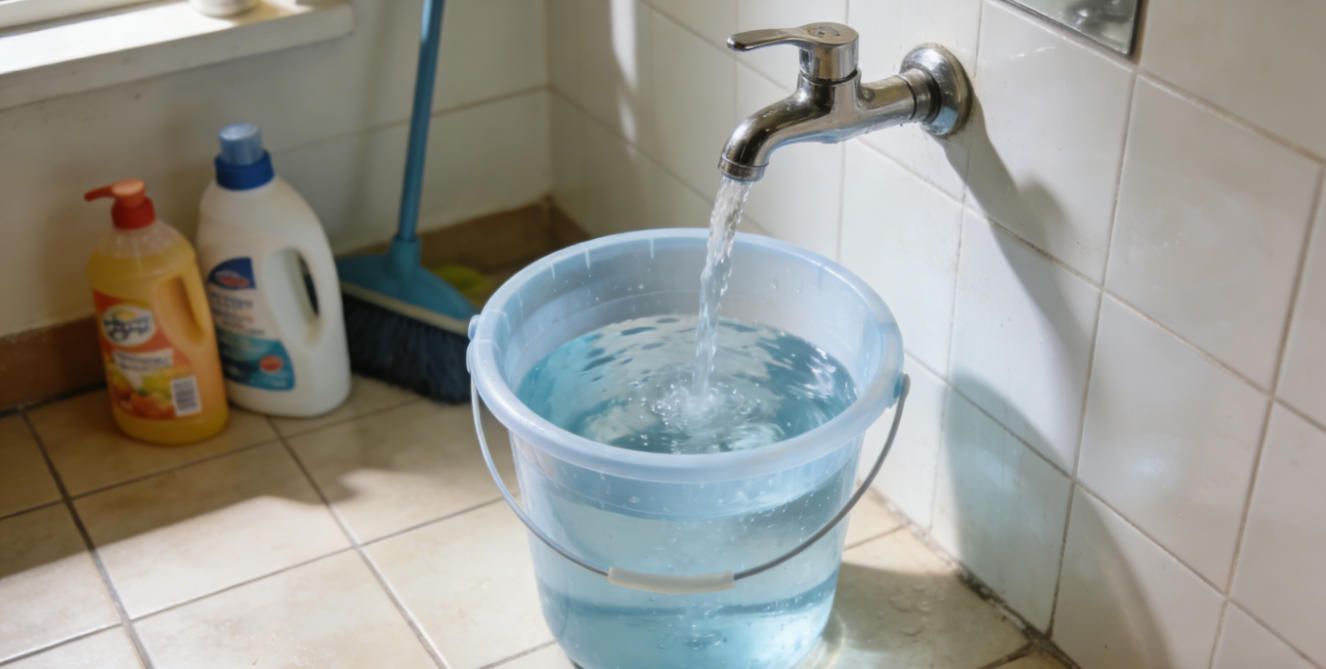 Plastic Water Container Mold: A Water Resource Management Solution Ensuring Safety and Efficiency
I. Overview of the Technical System
II. Structural Design Engineering
III. Mold Manufacturing Process
IV. Materials and Surface Treatment
V. Quality Control Standards
VI. Production Efficiency Optimization
VII. Application Field Expansion
VIII. Technological Innovation Directions
IX. Market Value Analysis
X. Industry Development Trends