Introduction to Table Mold

 Introduction to Table Mold
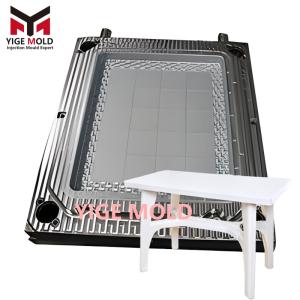
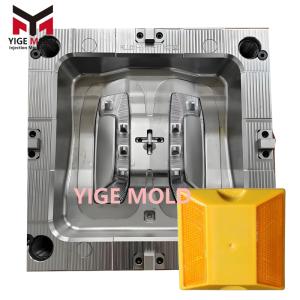
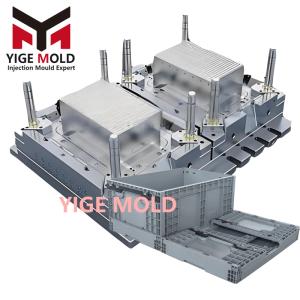
Table molds are specialized injection molds used for producing various types of tables. They shape molten plastic by injecting it into the mold cavity, where it cools and solidifies to form table components or complete products. These molds are essential tools in modern manufacturing for plastic furniture, office supplies, outdoor facilities, and children's furniture.
I. Definition and Classification of Table Molds
Classification by Product Function:
-
Household Table Molds: For dining tables, coffee tables, side tables, etc., focusing on aesthetics and practicality.
-
Office Table Molds: For desks used in workplaces, often incorporating features like cable channels and drawers.
-
Outdoor Table Molds: For patio, deck, or garden tables, emphasizing weather resistance and structural stability.
-
Children's Table and Chair Molds: Designed specifically for children, prioritizing safety and playful design.
-
Specialized Table Molds: For specific applications like medical carts or laboratory workbenches.
Classification by Mold Structure:
-
Two-Plate Mold: Simple structure, lower cost, suitable for products with simple geometry.
-
Three-Plate Mold: Used for complex parts or those requiring multiple gate locations; gates are automatically separated.
-
Hot Runner Mold: Reduces runner waste, improves material utilization, ideal for high-volume production.
-
Stack Mold: Doubles output per molding cycle, increasing production efficiency.
II. Key Technical Parameters and Specifications
Mold Steel Selection:
-
P20 Pre-Hardened Steel: Hardness 30-35 HRC, general-purpose steel, lifespan ~300k-500k cycles.
-
718 Modified Pre-Hardened Steel: Hardness 32-36 HRC, better polishability and wear resistance, lifespan ~500k-800k cycles.
-
S136 Stainless Steel: Excellent corrosion resistance and mirror polishability, suitable for high-gloss surfaces.
-
Nitriding Steel: High surface hardness and wear resistance, suitable for glass-filled materials.
Precision Requirements:
-
Cavity Dimension Tolerance: Typically within ±0.05 mm.
-
Parting Line Fit Tolerance: ≤0.02 mm to prevent flash.
-
Surface Roughness: Cavity surface Ra ≤0.4 μm for good product finish.
-
Concentricity & Perpendicularity: Guide pin/bushing fit precision at H7/g6 grade.
Design Life Indicators:
-
Economy Mold: 200k-300k cycles (P20 steel).
-
Standard Mold: 300k-500k cycles (718 steel).
-
Long-Life Mold: 500k-1M+ cycles (Premium steel with enhanced heat treatment).
III. Core Elements of Mold Design
Parting Line Design Principles:
-
Place the parting line on non-cosmetic or hidden surfaces whenever possible.
-
Incorporate draft angles (typically 1°-3°) for part ejection.
-
Keep the parting surface simple to reduce manufacturing cost.
-
Consider vent placement.
Gating System Design Key Points:
-
Gate Type Selection: Choose edge, pin-point, or submarine gates based on part design.
-
Runner Layout: Use balanced runner systems to ensure simultaneous cavity filling.
-
Cold Slug Well: Located at the end of the sprue to trap the initial cold material.
-
Venting System: Design proper venting channels, typically 0.02-0.05 mm deep.
Cooling System Optimization:
-
Water Line Layout: Conformal cooling channels for uniform temperature control.
-
Cooling Time Control: Typically 60%-80% of the total cycle time.
-
Temperature Control Accuracy: Within ±2°C for dimensional stability.
-
Zoned Cooling: Apply different cooling intensities to areas of varying thickness.
Ejection System Design:
-
Ejection Method: Choose ejector pins, stripper plates, or air ejection based on part geometry.
-
Ejection Balance: Use multiple ejectors for even force distribution to prevent part distortion.
-
Ejector Placement: Position on non-cosmetic areas like ribs or bosses.
-
Return System: Ensures precise resetting of the ejection system.
IV. Complete Manufacturing Process
Stage 1: Design & Planning
-
Product analysis and Design for Manufacturability (DFM) assessment.
-
3D mold structure design.
-
Mold flow analysis and process simulation.
-
Engineering drawing release and review.
Stage 2: Material Preparation
-
Mold steel procurement and inspection.
-
Standard component procurement (guide pins, ejector pins, screws, etc.).
-
Material pre-processing (rough machining, stress relieving).
Stage 3: Precision Machining
-
CNC roughing and semi-finishing.
-
Heat treatment and tempering.
-
Precision grinding.
-
EDM (Electrical Discharge Machining) and wire cutting.
-
CNC finishing and detail cleaning.
Stage 4: Surface Treatment & Assembly
-
Cavity polishing (from rough to mirror finish).
-
Special surface treatments (texturing, sandblasting, plating).
-
Component assembly and adjustment.
-
Final mold polishing and cleaning.
Stage 5: Trial & Acceptance
-
Mold trial on injection machine and process debugging.
-
Sample inspection and dimensional verification.
-
Mold adjustment and optimization.
-
Customer acceptance and delivery.
V. Quality Control Standards
Dimensional Accuracy Control:
-
Full-dimensional inspection using CMM (Coordinate Measuring Machine).
-
Critical dimensions CPK ≥ 1.33.
-
Uniform clearance in fitting areas, no interference.
Surface Quality Requirements:
-
Cosmetic surfaces free of scratches, pits, or polishing marks.
-
Uniform texture for grained surfaces.
-
High-gloss surfaces achieving mirror finish (Ra ≤ 0.012 μm).
Functional Testing:
-
Smooth mold opening/closing without sticking.
-
Stable ejection system operation with accurate return.
-
No leaks in cooling system, flow rate meets design specs.
-
Stability test under continuous production (minimum 500 cycles).
Durability Verification:
-
Fatigue testing simulating long-term use.
-
Wear testing on critical components.
-
Maintenance interval assessment and schedule creation.
VI. Detailed Application Areas
Household Furniture:
Plastic tables are widely used in modern homes due to their lightness, durability, and ease of cleaning. Mold design focuses on aesthetics, structural stability, and safety, with high demands on surface finish.
Commercial & Office Furniture:
Office desk molds must consider functional designs like cable management, drawer mechanisms, and adjustable parts. They also need to meet requirements for high-volume production and part consistency.
Outdoor & Leisure:
Outdoor tables require properties like weather resistance, UV stability, and tolerance to temperature changes. Mold design must account for material shrinkage and incorporate structural reinforcements.
Public Spaces:
Tables for schools, hospitals, airports, etc., have higher safety and durability requirements. Mold design considers special standards like rounded edges and fire-retardant materials.
Customization Needs:
The market for customized table molds is growing with increasing demand for personalization. Mold designs need to be flexible to quickly adapt to small-batch, multi-variety production.
VII. Selection and Usage Considerations
Key Points for Mold Selection:
-
Choose mold steel based on the intended plastic material.
-
Determine mold life grade based on production volume requirements.
-
Select mold type based on part complexity.
-
Consider ease of future maintenance and modification.
Usage Notes:
-
Operate the mold strictly according to procedures.
-
Perform regular cleaning and maintenance.
-
Use appropriate mold release agents and protective oils.
-
Record mold cycle counts and maintenance history.
Maintenance Requirements:
-
Check lubrication system each shift.
-
Inspect cooling water lines periodically.
-
Repair minor damage promptly.
-
Establish and maintain a mold maintenance file.
VIII. Economic Benefit Analysis
Investment Cost Breakdown:
-
Mold Design: 5-10% of total investment.
-
Material Cost: 30-40%.
-
Machining/Manufacturing Cost: 40-50%.
-
Trial & Debugging: 5-10%.
Production Efficiency Indicators:
-
Injection Cycle Time: Typically 60-180 seconds.
-
Daily Output: 400-1,200 pieces per single mold (varies).
-
Material Utilization: Over 95% for hot runner molds.
-
Energy Consumption: 15-30% reduction in energy per part.
Return on Investment (ROI) Analysis:
-
Mold Payback Period: Typically 6-18 months.
-
Total Output Over Lifetime: Can reach hundreds of thousands of parts.
-
Unit Cost Advantage: Significant in high-volume production.
-
Quality Consistency: Reduces defect rates and improves product uniformity.
Conclusion
As critical equipment in the plastics industry, the technical level of table molds directly impacts final product quality, cost, and production efficiency. Professional expertise and strict management are essential throughout the entire process—from design and manufacturing to use and maintenance. With the continuous application of new materials and processes, the manufacturing standards for table molds will keep rising, creating greater value for users. Choosing the right mold supplier and establishing long-term partnerships is vital for the sustainable development of manufacturing enterprises.