TPE automotive floor mat injection mold
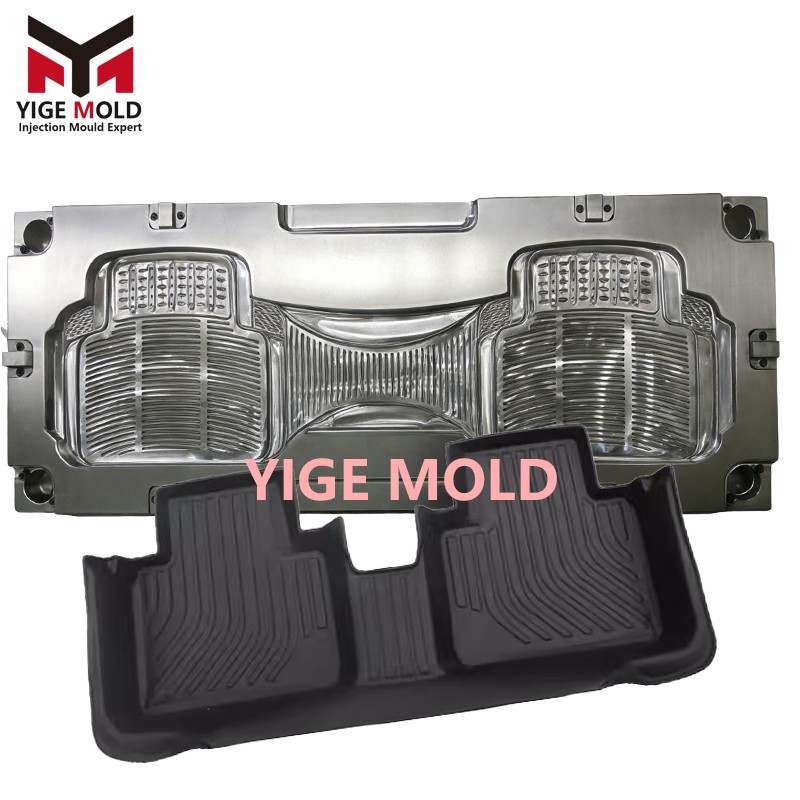
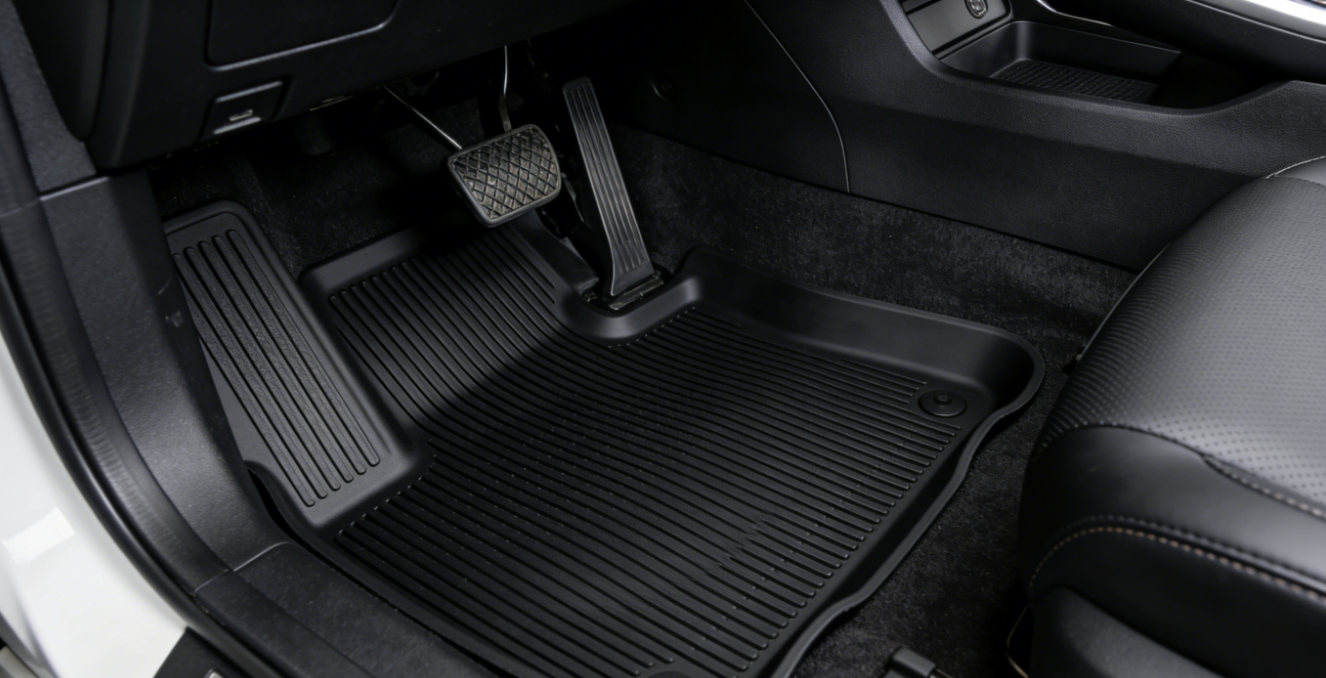 TPE Automotive Floor Mat Injection Molds: Integration of Material Innovation and Precision Manufacturing
I. Industry Context and Technical Positioning
In automotive interior component manufacturing, TPE (Thermoplastic Elastomer) materials are progressively replacing traditional PVC and rubber due to their superior environmental performance, durability, and processing versatility. TPE automotive floor mat injection molds, serving as critical equipment to transform these material advantages into finished products, have design and manufacturing standards that directly determine product market competitiveness. These molds must not only satisfy conventional structural molding requirements but also address TPE-specific processing challenges, including high elasticity, shrinkage control, and surface texture realization.
II. Material Property Integration with Mold Design
1. Precision Design of Shrinkage Compensation Systems
TPE materials exhibit distinct shrinkage characteristics compared to conventional plastics, with typical shrinkage rates ranging from 1.5% to 2.5%, often demonstrating anisotropic behavior. Our engineering team develops material-specific databases to accurately model shrinkage for each TPE formulation. Utilizing three-dimensional compensation technology, we predefine shrinkage compensation coefficients during the design phase. Differentiated compensation strategies are implemented for critical areas such as floor mat perimeter flanges and three-dimensional reinforcement ribs. This proactive engineering approach ensures dimensional accuracy within ±0.3% of specifications, guaranteeing precise conformity to vehicle floor contours.
2. Advanced Venting System Configuration
TPE materials are prone to gas entrapment during injection molding, necessitating specialized venting solutions beyond conventional approaches. We have engineered a three-stage progressive venting system:
-
Primary Stage: 0.015mm micro-venting channels at runner terminals
-
Secondary Stage: Activated carbon venting inserts along cavity peripheries
-
Tertiary Stage: Vacuum-assisted venting devices in final fill zones
This integrated approach reduces gas retention below 0.02%, effectively eliminating surface voids and burn marks, particularly crucial for dark-colored TPE applications.
III. Structural Innovations in Mold Engineering
1. Multi-Material Molding Applications
Addressing sophisticated functional requirements in premium automotive floor mats, our mold systems enable:
-
Dual-Material Integration: Simultaneous molding of rigid PP substructures with soft TPE surfaces during single production cycles, achieving peel strengths exceeding 35N/cm
-
Selective Color Application: Rotating core or sliding mechanism technology for localized color differentiation in functional zones, such as utilizing high-friction dark TPE in driver footwell areas
-
Progressive Thickness Design: Gradual thickness transitions from standard 4mm to optimized 2mm in accelerator and brake pedal zones, balancing safety requirements with operational comfort
IV. Surface Engineering and Texture Technology
1. Function-Optimized Texture Development
Employing ergonomic and tribological principles, we have engineered specialized surface textures:
-
Directional Fluid Management: Radial involute groove patterns demonstrating 40% improved drainage efficiency versus conventional designs
-
Enhanced Traction Systems: Asymmetric pyramidal arrays engineered for dry friction coefficients of 0.85 and wet performance of 0.65
-
Contaminant-Resistant Surfaces: Nanoscale hydrophobic structures combined with 30° angular designs reducing particulate adhesion by 70%
2. Advanced Surface Treatment Applications
-
Ceramic Surface Enhancement: Micro-arc oxidation generates 20-50μm ceramic coatings with hardness values reaching HV1500, extending wear resistance eightfold
-
Composite Coating Systems: Nickel-phosphorus-PTFE composite platings optimizing both release characteristics and corrosion resistance, supporting operational lifespans exceeding 3 million cycles
-
Selective Surface Modification: Diamond-like carbon applications in high-wear zones combined with conventional treatments in other areas, achieving optimal performance-to-cost ratios
V. Thermal Management and Process Optimization
1. Zoned Temperature Control Methodology
Addressing TPE's thermal sensitivity, we implement eight-zone independent thermal regulation:
-
Gate Zone Protection: Pulse-modulated thermal management preventing material degradation
-
Primary Surface Regulation: Conformal cooling channels maintaining thermal gradients below 5°C/100mm
-
Peripheral Zone Control: Beryllium copper inserts with auxiliary cooling accelerating thick-section solidification
VI. Validation and Quality Assurance Protocols
Our comprehensive mold qualification system includes:
-
Dimensional Verification: Blue-light scanning at 0.1mm point density with full CAD data correlation
-
Functional Testing: Simulated service condition evaluations including 200,000-cycle durability testing, chemical resistance verification, and thermal cycling assessments
-
Process Validation: 5,000-cycle continuous production runs with statistical process control maintaining CpK values ≥1.67 for critical dimensions
VII. Operational Value Proposition
Specialized TPE automotive floor mat injection molds deliver measurable manufacturing advantages:
-
Production Efficiency: 25% reduction in cycle times with 30% improved equipment utilization
-
Material Optimization: 98.5% material utilization through advanced flow analysis and process refinement
-
Quality Consistency: Defect rates maintained below 0.3% with return rates under 0.1%
-
Development Acceleration: New vehicle program timelines reduced from 12 to 6 weeks
TPE automotive floor mat injection molds represent sophisticated integration of material science and precision engineering. Their technical complexity extends beyond conventional toolmaking to encompass deep material understanding, application-specific engineering, and comprehensive process optimization. With advancing automotive interior requirements and growing emphasis on sustainable materials, TPE floor mat technology continues evolving toward greater precision and performance. Maintaining leadership in this specialized field requires ongoing investment in interdisciplinary research spanning polymer science, mechanical engineering, and manufacturing technology.