Tee Drainage Pipe Mold
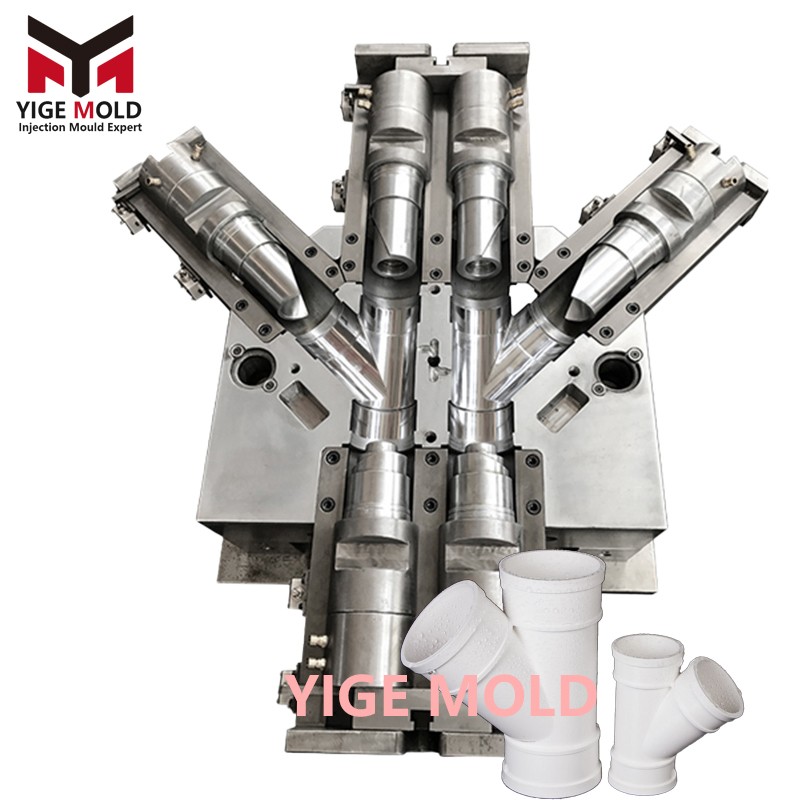
The tee drainage pipe is a critical connecting component in various drainage systems, responsible for the core functions of fluid diversion and flow direction control. The manufacturing quality of its mold directly impacts the sealing performance, flow efficiency, and long-term reliability of the piping system. Modern tee drainage pipe molds have evolved from simple flow-splitting forming tools into precision manufacturing systems that integrate fluid dynamics, structural engineering, and materials science. These molds must not only accomplish basic structural forming but also meet the specific requirements of pipeline engineering for dimensional accuracy, inner wall smoothness, and joint sealing.
Flow Channel Geometry Optimization Design
Utilizing fluid dynamics principles to optimize the transition curves at the junctions between branch pipes and the main pipe, ensuring smooth fluid transition through continuous surface design. The gradual reduction angle at connection points is controlled within the 25–35 degree range, reducing fluid kinetic energy loss by over 40%. Three-dimensional simulation analysis during the mold design phase eliminates common vortex and dead zone areas in traditional designs, ensuring unimpeded drainage flow.
Wall Thickness Control Technology
Addressing wall thickness variations caused by uneven cooling during the injection molding process through pre-compensation techniques in mold design. Process-specific thickening is pre-set at flow channel convergence areas, and material distribution is optimized through rib layout design. A multi-point gating system ensures uniform melt flow within the cavity, achieving wall thickness uniformity of ±0.5mm across all sections as per standard requirements.
Mold Structural Reinforcement
A three-layer composite mold structure is employed: the inner layer uses wear-resistant steel for the forming surface, the middle layer consists of a high-strength support skeleton, and the outer layer is configured with a structural frame. This design controls core shift within 0.03mm under high injection pressure, effectively preventing flash formation. The guidance system utilizes precisely matched guide pillars and bushings to ensure positioning accuracy during long-term use.
Multi-Material Compatibility Solutions
Developing modular runner systems tailored to the molding characteristics of different plastic materials. Corrosion-resistant runner designs are used for PVC-U materials, while specialized hot runner systems are configured for PP materials. Mold surfaces receive differentiated polishing treatments based on the demolding characteristics of various materials, ensuring the required smoothness of the pipe fittings' inner walls after molding.
Cooling System Optimization
Implementing zoned cooling designs with independent cooling circuits in areas of varying thickness. The main pipe area is equipped with high-efficiency cooling channels, while the branch pipe transition zones employ progressive cooling designs. Through rational layout of cooling channels, uniform mold temperature distribution is achieved, controlling the molding cycle within an optimal range while ensuring consistent product quality.
Venting System Design
Multi-stage venting structures are installed at critical mold locations. Annular venting grooves are set at flow dividers, micro-venting bands are arranged along the draft direction, and venting plugs are configured at rib roots. The synergistic effect of these venting devices effectively removes residual gases from the cavity, preventing air traps or burn marks in the product.
Precision Machining Technology
Cavity machining utilizes five-axis machining centers to ensure smooth and continuous surface transitions. Flow divider sections are processed using slow wire electrical discharge machining (EDM), achieving dimensional accuracy of ±0.01mm. Forming components follow a grouped machining and centralized assembly process route to ensure fit precision and overall coordination.
Surface Treatment Processes
Runner surfaces undergo mirror polishing to control roughness within Ra 0.4μm, ensuring smooth inner walls of the molded pipe fittings. Sliding component surfaces receive chrome plating to enhance wear and corrosion resistance. Cooling channels undergo anti-corrosion treatment to prevent rust during operation.
Assembly and Debugging
A grouped assembly method is adopted, where individual subsystems are assembled and tested independently before final integration. Laser trackers are used during assembly to verify positional accuracy, ensuring the axis intersection deviation of the three pipe ports does not exceed design requirements. No-load debugging is conducted post-assembly to check the coordination of all moving components.
Dimensional Accuracy Inspection
Coordinate measuring machines (CMM) are used for full-dimensional inspection of mold-produced parts, focusing on pipe port diameters, wall thickness uniformity, and joint angles. Dimensional stability data is established through sampling inspections to ensure consistency in mass-produced items.
Functional Performance Testing
Hydraulic performance tests measure pressure loss in tee fittings under different flow rates. Sealing performance tests check for leaks under standard test pressures for specified durations. Long-term pressure resistance tests evaluate product deformation under sustained pressure.
Durability Verification
Continuous injection tests record dimensional changes and surface wear during prolonged mold use. Actual production runs verify mold service life, ensuring the design-specified number of injection cycles is achieved. Regular inspections of wear conditions across mold components establish preventive maintenance schedules.
Production Efficiency Improvement
Optimized cooling and venting systems reduce molding cycles by over 20%, significantly increasing production efficiency. Reasonable mold structural design reduces maintenance frequency and extends continuous production time. Standardized component designs shorten repair times and minimize equipment downtime losses.
Product Quality Assurance
Precision machining processes and strict quality control ensure products meet design requirements for dimensional accuracy and functional performance. Stable production processes guarantee consistency between batches, satisfying the stringent quality demands of pipeline engineering.
Cost Control Advantages
Rational mold design reduces material consumption and improves raw material utilization. Optimized production processes decrease energy consumption, lowering per-unit production costs. Extended service life reduces mold replacement frequency, decreasing long-term production expenses.
Technological advancements in tee drainage pipe molds have driven development across the pipe fitting manufacturing industry. Improved mold precision enables production of fittings that meet higher engineering standards. Optimized manufacturing processes reduce production costs, allowing high-quality pipe fittings to be widely used in various engineering projects. With continuous infrastructure development, the demand for high-quality drainage fittings continues to grow, presenting new opportunities for mold manufacturing technology.
Mold manufacturers must continuously improve manufacturing processes to enhance precision and reliability. Through technological accumulation and experience summarization, mold design standards and production processes should be consistently refined. Strengthening collaboration with material suppliers enables development of mold solutions adapted to new plastic materials. Monitoring industry trends allows timely adjustment of product structures to meet evolving market demands.
As essential equipment for manufacturing critical components in drainage systems, the technological level of tee drainage pipe molds directly impacts the quality and longevity of drainage engineering. Mold manufacturers should prioritize technological innovation, focus on quality assurance, provide reliable equipment support for infrastructure development, and contribute meaningfully to urban development and improvement of living standards.
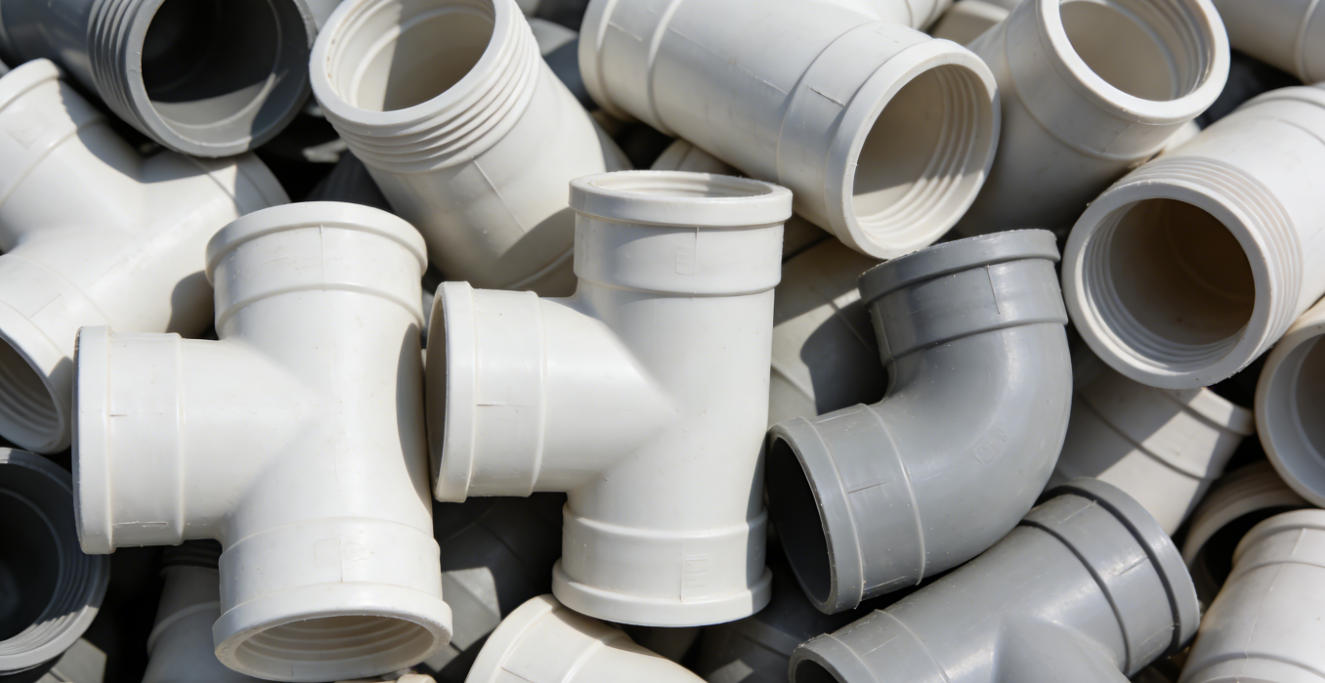 Tee Drainage Pipe Molds: The Integration of Fluid Engineering and Precision Manufacturing
I. Product Function and Industry Positioning
II. Engineering Innovations in Structural Design
III. Material Compatibility and Process Control
IV. Manufacturing Processes and Precision Assurance
V. Production Validation and Performance Testing
VI. Application Value and Advantages
VII. Industry Applications and Outlook