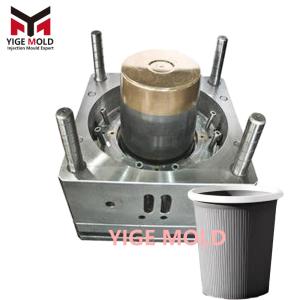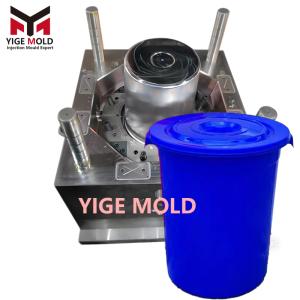
Injection Molding Flower Pot Mold
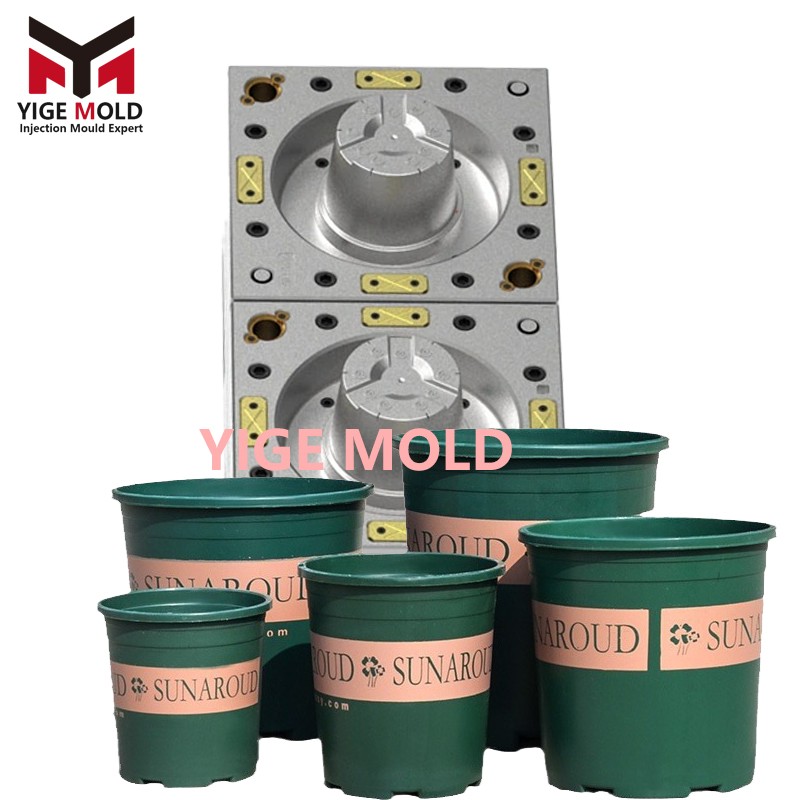
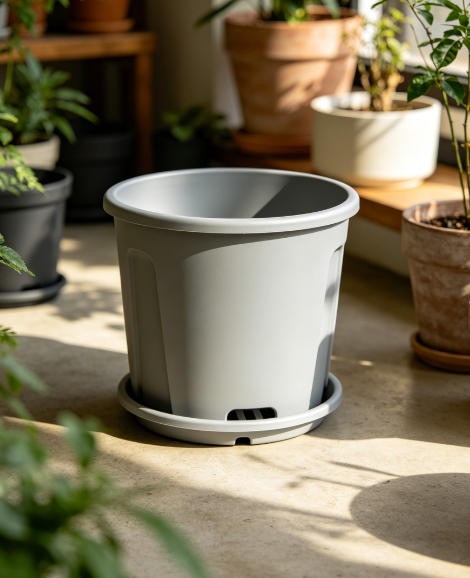
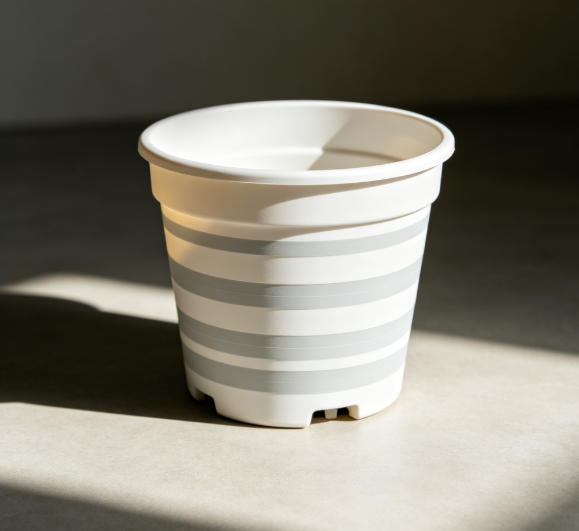
Introduction to Injection Molding Flower Pot Molds
Injection molding flower pot molds are essential production tools in the plastics processing industry, designed to work in tandem with injection molding machines. They are responsible for giving plastic flower pots their complete configuration and precise dimensions. With the booming development of the modern horticulture industry and the home balcony economy, plastic flower pots have gradually replaced traditional clay pots to become the market mainstream, thanks to their significant advantages such as lightweight, corrosion resistance, rich colors, and durability. As the core equipment upstream in this industrial chain, the design level and manufacturing precision of the injection mold directly determine the surface texture, structural strength, and overall economic efficiency of the end-product for manufacturers.
From the perspective of the molding process, the working principle of an injection molding flower pot mold involves heating and melting plastic raw materials (such as Polypropylene (PP), Polyvinyl Chloride (PVC), or ABS) in the barrel of the injection molding machine. Subsequently, under high pressure, the molten plastic is injected at high speed through a nozzle into the closed mold cavity. After cooling and solidifying within the cavity, the mold opens, and the finished flower pot is ejected via an ejection mechanism. This highly automated process allows for mass production with high consistency within a very short molding cycle, perfectly meeting the dual modern industrial demands for efficiency and cost control.
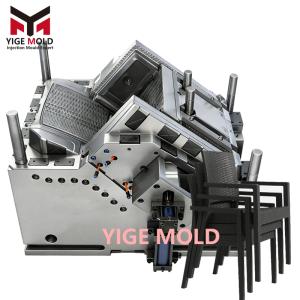
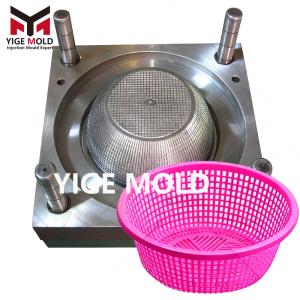
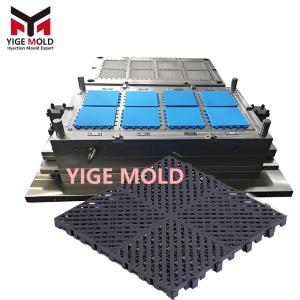
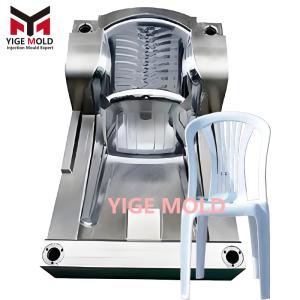
Regarding structural design, injection molding flower pot molds typically feature an inverted frustum (round or prismatic) shape, characterized by a wider opening and a narrower base. To adapt to varying production capacity needs and aesthetic requirements, mold designs encompass a variety of layouts. For instance, to meet the high aesthetic standards of home gardening, modern molds often utilize an integral insert structure. This effectively avoids seam lines that might occur with split-type assemblies, ensuring a smooth, seamless surface on the flower pot, and can even precisely replicate intricate relief textures or hollowed-out structures. In terms of cavity layout, beyond the common single-cavity structure, industrial production more commonly employs balanced layouts with two or multiple cavities. This design can double or significantly increase the output per injection cycle, greatly enhancing production efficiency.
The gating system and the ejection mechanism represent two major technical challenges in mold design. High-quality flower pot molds mostly adopt a hot runner system paired with a single-point valve gate, or a double-parting-line structure with a pinpoint gate. This design not only enables the automatic detachment of the gate (reducing the need for manual trimming) but also effectively lowers the injection pressure, minimizing internal stress and deformation risks in the finished pot. In the ejection phase, since flower pots typically have a significant draft angle (taper), the mold interior is designed with precision ejector pins or stripper plate mechanisms. For irregularly shaped pots featuring special buckles or side holes, the mold must also be equipped with slider core-pulling or angled lifter mechanisms. These resolve the challenge of ejecting lateral undercuts, ensuring the flower pot is ejected with even force, preventing stress whitening or cracking.
Furthermore, temperature control and material selection for the mold are crucial. To shorten the molding cycle, complex cooling channel systems are often designed inside the mold to rapidly dissipate heat via circulating cooling media. Regarding mold steel selection, high-quality steels with high hardness, excellent wear resistance, and good polishability—such as H13—are typically chosen. This allows the mold to withstand long-term high-temperature and high-pressure injection environments, ensuring a service life of hundreds of thousands or even millions of cycles.
It is also worth mentioning that the injection molding flower pot mold industry has formed a highly concentrated cluster in China. Represented by Huangyan, Taizhou in Zhejiang Province—known as the "Hometown of Molds in China"—the area has gathered a large number of professional mold manufacturing teams with extensive experience and access to precision processing equipment. These enterprises are capable of providing one-stop solutions ranging from product design and mold development to injection molding, and have accumulated profound expertise in cutting-edge technologies such as thin-wall high-speed injection molding.
In summary, the injection molding flower pot mold is not only a bridge connecting plastic raw materials to horticultural products but also a vivid embodiment of modern precision manufacturing technology in the consumer sector. As market demands for the functionality (such as self-watering features or movable saucers) and artistry of flower pots continue to rise, injection mold technology is continuously iterating and upgrading towards higher precision, longer service life, and greater intelligence, providing continuous hardware support for a green gardening lifestyle.