Plastic Flower Pot Injection Mold
Introduction to Plastic Flower Pot Injection Molds: Different Styles to Avoid Homogeneity
In the current era where the consumption of green plants has shifted from "basic care" to "spatial aesthetic expression," the plastic flower pot has long transcended its role as a mere planting container. It has become a core visual element that connects the ambiance of a home, the style of commercial spaces, and the character of urban landscapes, serving as a key touchpoint for differentiated competition in plant-centric scenarios. The plastic flower pot injection mold, which carries this dual value of function and aesthetics, has broken free from the constraints of traditional, standardized, and homogeneous molds. It has transformed into a core engine for stylistic innovation. It not only precisely adapts to the core needs of plant scenarios—such as weather resistance, pressure resistance, lightweight portability, and planting suitability—but also integrates diverse styles like modern minimalism, natural wood, classic vintage, and tech-luxe. Through precision design and artisanal manufacturing, it endows flower pots with unique visual identity and contextual adaptability while avoiding homogeneous competition. This elevates the flower pot from a behind-the-scenes tool to a spatial visual card that integrates both function and aesthetics, infusing the plant environment with exclusive design tension and emotional warmth.
I. Core Positioning: The Molding Core Fusing Function and Aesthetics to Break the Homogeneity Dilemma
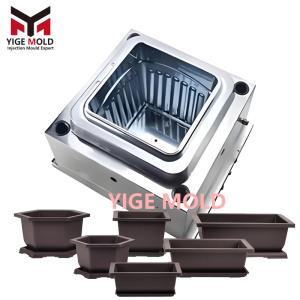
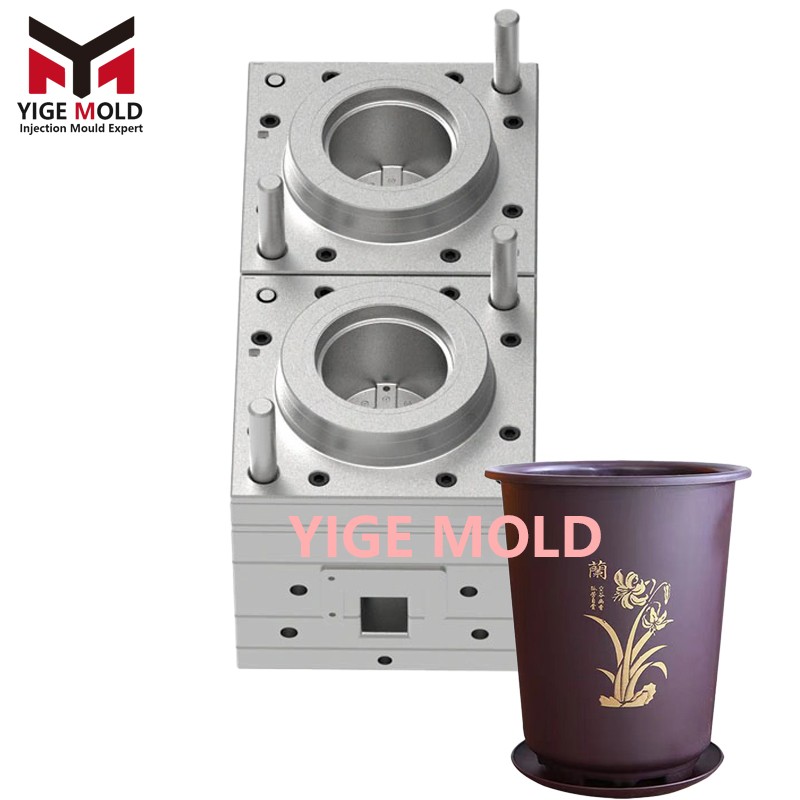
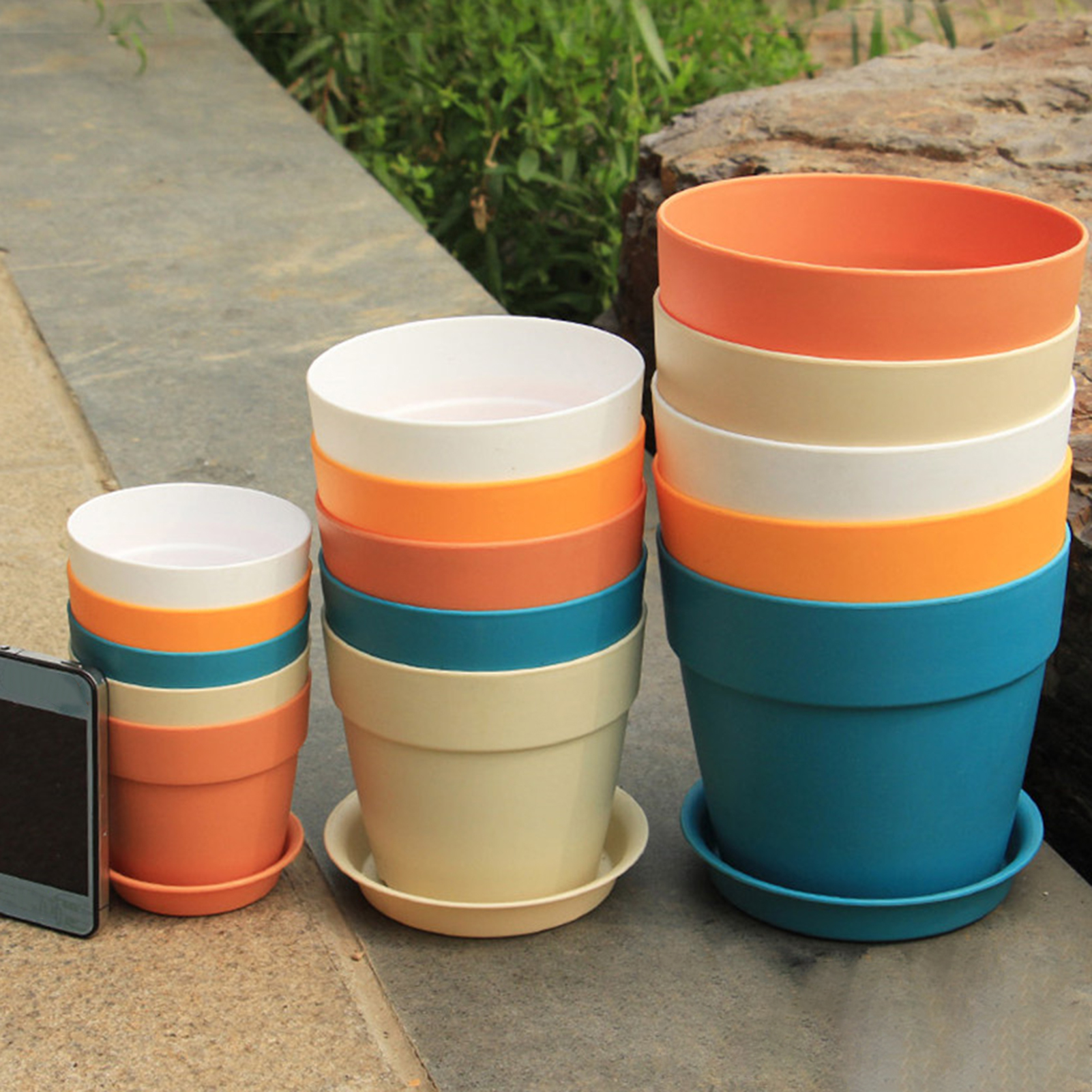
The plastic flower pot injection mold is a precision molding tool custom-made for plant containers. Relying on the injection molding process, it precisely injects raw materials such as PP, PC, ABS, and modified plastics into a customized cavity. After solidification, it replicates a flower pot that combines structural strength, planting adaptability, and visual compatibility with its spatial context. Its core value lies in using the mold as a link to bridge the transformation from raw materials and functional design to spatial aesthetics. It ensures the flower pot's weather and wear resistance, load-bearing stability, drainage and breathability, and planting friendliness, while flexibly responding to the visual demands of different plant scenarios and aesthetic orientations. This fundamentally solves the industry pain points of single styles, a disconnect between function and aesthetics, and product homogeneity in traditional flower pots.
Compared with traditional flower pot molds, the core characteristic of the plastic flower pot injection mold lies in its deep integration of spatial needs and functional molding. It no longer limits itself to the structural replication of standardized products. Instead, it embeds style concepts and contextual adaptation elements into every detail of the mold, revolving around the positioning of the plant scenario and aesthetic needs. Whether it is the minimalist texture of a home living room, the exquisite style of a commercial flower shop, or the natural ecological feel of an urban landscape, the mold can achieve the precise implementation of style expression and functional requirements through exclusive cavity design, texture processes, and structural optimization. At the same time, through modular design and precision control, the mold balances the flexibility of switching between multiple styles with the stability of mass production. This satisfies the demand for scenario-based customization while ensuring the efficiency and quality of large-scale production, allowing each flower pot to become a dual carrier of spatial aesthetics and practical function, highlighting its unique identity in the plant scene and avoiding homogeneous competition.
II. Stylized Design: The Molding Password for Diverse Spaces, Rejecting the Cookie-Cutter Approach
The stylized design of the plastic flower pot injection mold is the key to avoiding homogeneity. Centering on mainstream spatial styles such as modern minimalism, natural wood, classic vintage, and tech-luxe, it builds a differentiated molding logic across four dimensions: line shaping, texture empowerment, structural innovation, and color adaptation. This allows each set of molds to become a dedicated carrier for a specific style, endowing the flower pot with unique visual identity and spatial adaptability, making it a striking accent in the plant scene.
1. Modern Minimalist Style: Sharp Lines for a Pure Spatial Texture
The modern minimalist style caters to scenarios like home living rooms and minimalist office spaces that pursue efficiency, simplicity, and visual clarity. Its core lies in using clean lines to outline the flower pot's form, conveying a minimalist concept through pure texture. The mold design focuses on the crispness of lines, structural integration, and the purity of texture:
- Crisp Line Design: The mold cavity abandons complex decorative lines, using straight, crisp lines to define the pot's surface and edges. Corner transitions are direct, without unnecessary curves or ornamentation. This allows the flower pot to present a clean, fluid geometric beauty, adapting to the efficient flow of modern spaces and aligning with residents' aesthetic and practical demands for simplicity and easy matching.
- Integrated Structural Design: The mold structure optimizes redundant components, adopting an integrated molding or modular splicing design to reduce seams and enhance the pot's overall strength and load-bearing stability. Simultaneously, the drainage and breathability structure is optimized to ensure unobstructed drainage and good air permeability, meeting the planting needs of green plants. This allows the flower pot to combine pure texture with practical performance in a minimalist space.
- Purity of Texture Creation: The surface of the mold cavity undergoes high-precision polishing, allowing the flower pot to present a fine, smooth texture. Combined with a matte or semi-matte molding effect, it eschews complex colors and textures, interpreting modern minimalist aesthetics with a pure texture. In a modern space, the flower pot not only showcases pure quality but also naturally integrates with minimalist furniture and plain walls, becoming a visual accent.
2. Natural Wood Style: Biomimetic Textures and Soft Colors for an Authentic Comfort
The natural wood style caters to scenarios like home balconies and B&B courtyards that seek natural comfort and eco-friendliness. Its core lies in conveying an authentic natural atmosphere through biomimetic textures and soft colors. The mold design focuses on the biomimetic nature of textures, the softness of colors, and overall comfort:
- Biomimetic Texture Design: The mold cavity uses biomimetic embossing to replicate natural textures like wood grain, bark, and leaf veins, giving the flower pot surface a natural, tactile quality. This breaks the industrial feel of plastic, conveying a comfortable, natural atmosphere that fits nature-themed spaces and aligns with residents' pursuit of green, comfortable environments.
- Soft Color Palette: The mold design considers both the accurate presentation of color and a soft, natural feel. By optimizing the cavity surface treatment and raw material formulation, the flower pot achieves soft, natural colors such as wood tones, off-white, and light coffee, breaking away from the single colors of traditional pots. This makes the flower pot more harmonious and comfortable in natural-themed spaces like balconies and courtyards.
- Comfort-Focused Details: The mold incorporates comfort-enhancing elements in structural details, such as rounded corners, anti-slip textures, and smooth splicing transitions. Through high-precision mold processing, these details not only improve the user experience but also ensure the pot's anti-slip performance and splicing stability. In a nature-themed space, the flower pot becomes a fusion of comfort and eco-friendliness, enhancing the space's appeal.
3. Classic Vintage Style: Exquisite Lines and Retro Textures for a Timeless Charm
The classic vintage style caters to scenarios like vintage homes, flower shops, and artistic cafes that pursue classic charm and refined style. Its core lies in conveying a classic, elegant atmosphere through exquisite lines and retro textures. The mold design focuses on the refinement of lines, the retro nature of textures, and overall charm:
- Refined Line Design: The mold cavity uses a combination of curves and straight lines to outline the pot's exquisite form, with smooth, rounded corner transitions. It incorporates retro decorative lines, such as Roman column textures and carved contours, giving the flower pot a classic, refined beauty. This fits the style requirements of vintage spaces and meets consumers' aesthetic expectations for classic elegance.
- Retro Texture Creation: The mold cavity uses retro embossing and etching processes to create retro textures, such as faux ceramic crackle, faux stone matte finish, and faux fabric textures. This gives the pot surface a retro feel, breaking the modern feel of plastic and showcasing a classic, elegant charm, perfectly suiting refined settings like vintage homes and flower shops.
- Charm-Focused Details: The mold incorporates retro elements in structural details, such as vintage splicing buckles, exquisite edge carvings, and unique drainage hole shapes. Through high-precision mold processing, these details not only highlight the vintage charm but also ensure the pot's splicing stability, drainage efficiency, and overall beauty. In a vintage space, the flower pot becomes a fusion of classic style and function, elevating the space's refined taste.
4. Tech-Luxe Style: Fluid Lines and Luminous Textures for a High-End, Smart Feel
The tech-luxe style caters to high-end homes, smart offices, and boutique flower shops that seek premium texture and a tech atmosphere. Its core lies in conveying a high-end, intelligent feel through fluid lines and luminous textures. The mold design focuses on the fluidity of lines, the creation of light and shadow effects, and tech-infused details:
- Fluid Line Design: The mold cavity uses fluid, streamlined lines to outline the pot's form, with smooth, rounded corner transitions and no harsh straight lines or angles. This gives the flower pot a dynamic, fluid tech beauty, fitting the tech atmosphere of high-end spaces and meeting consumers' visual expectations for a premium, smart experience.
- Light and Shadow Texture Creation: The mold cavity uses high-precision mirror polishing and gradient texture processes to give the pot surface a light-and-shadow-flowing quality. Under lighting, it forms unique light effects, mimicking the texture of high-end tech products. In a premium space, the flower pot not only showcases a high-end tech temperament but also elevates the space's visual level.
- Tech-Infused Details: The mold incorporates tech elements in structural details, such as hidden splicing structures, embedded smart sensor slots, and streamlined drainage channels. Through high-precision mold processing, these details not only highlight the tech feel but also ensure the pot's splicing stability, drainage efficiency, and smart compatibility. In a high-end space, the flower pot becomes a fusion of technology and function, enhancing the space's premium experience.
III. Core Manufacturing: Artisanal Craftsmanship, Ensuring Style Implementation and Functional Stability
The manufacturing of the plastic flower pot injection mold is the core link that transforms stylistic creativity into a tangible product. Relying on precision machining equipment, rigorous process control, and strict quality inspection, it ensures that the mold not only accurately restores the design style and spatial requirements but also guarantees the structural strength, functional adaptability, and production stability of the flower pot, allowing each style to be perfectly implemented with consistent functionality.
1. High-Precision Machining: Restoring Stylistic Details, Building the Functional Foundation
The core of mold manufacturing lies in restoring stylistic details, textures, and structural precision through high-precision machining, laying the foundation for the flower pot's functional adaptability:
- Refinement of Texture and Detail Machining: For the textures and details required by different styles, high-precision engraving machines, laser etching equipment, and chemical etching processes are used to accurately replicate natural, retro, or tech textures, ensuring clear textures and precise details. This avoids texture distortion and detail blurring, guaranteeing the accuracy of style expression and spatial adaptation.
- Precision in Structural Machining: Using 5-axis machining centers and high-precision wire cutting equipment, the mold cavity, core, and reinforcement structures are machined with precision, controlling dimensional errors to the micron level. This ensures the pot's load-bearing capacity, anti-slip performance, drainage efficiency, and splicing stability, avoiding issues like deformation, cracking, or poor drainage caused by structural deviations, and guaranteeing the core function and service life of the flower pot.
- Adaptation of Surface Treatments: According to style requirements, the mold surface undergoes customized treatments: high-precision polishing for modern minimalist style, biomimetic embossing for natural wood style, retro etching for classic vintage style, and mirror polishing with gradient textures for tech-luxe style. This ensures the surface treatment effect perfectly matches the style positioning, guaranteeing that the texture of the molded flower pot is consistent with the design expectation.
2. Rigorous Assembly and Testing: Ensuring Stable Molding, Balancing Function and Efficiency
The final stage of mold manufacturing is precise assembly and mold testing, which are key steps to ensure style implementation, stable molding, and functional adaptation:
- Precise Assembly: The processed components, such as cavities, cores, ejection systems, and temperature control systems, are assembled precisely according to design drawings. The fit clearance, positioning accuracy, and movement smoothness between components are strictly controlled to ensure the mold opens and closes smoothly and the ejection is stable. This avoids style distortion and molding defects caused by assembly errors, ensuring the integrity of style details and texture quality.
- Mold Testing and Adjustment: After assembly, multiple rounds of mold testing and adjustment are conducted. By adjusting process parameters such as injection pressure, holding pressure time, temperature parameters, and demolding speed, the molding effect is repeatedly optimized until the flower pot's structural strength, dimensional accuracy, surface quality, and drainage/breathability fully meet design requirements. Simultaneously, the mold's adaptability to automated production lines is verified, ensuring that once in mass production, the mold can stably restore the style and spatial requirements while guaranteeing production efficiency, balancing quality and efficiency.
3. Full-Process Quality Control: Strengthening the Quality Defense Line, Ensuring Style and Functional Consistency
To ensure the stability of mold manufacturing quality and the consistency of style and function implementation, a full-process quality control system is established, forming a closed-loop management from source to finished product:
- Raw Material and Process Control: The quality, hardness, and purity of mold steel are strictly inspected to ensure the raw materials meet the requirements for high strength and high wear resistance. Process parameters and machining accuracy during manufacturing are monitored in real-time to ensure every process meets quality standards, avoiding style distortion, functional insufficiency, or quality defects caused by process deviations.
- Finished Product Inspection and Verification: After the mold is assembled, professional inspection equipment such as coordinate measuring machines (CMM), hardness testers, and surface roughness testers are used to conduct a comprehensive inspection of the mold's dimensional accuracy, surface quality, and structural strength. At the same time, the style restoration, texture presentation, and functional adaptability are verified through the inspection of trial samples' appearance, structure, and performance. The mold is only delivered after all indicators meet the standards, ensuring style consistency and functional stability in the mass production phase.
IV. Core Value: Empowering Plant Container Differentiation and Market Competitiveness through Stylized Molding
The core value of the plastic flower pot injection mold lies in providing differentiated product support for plant container operations and branding through its stylized molding capability, helping enterprises build core competitiveness across three dimensions: function, efficiency, and creativity.
In terms of functional assurance, the mold ensures the flower pot's weather and wear resistance, load-bearing stability, drainage and breathability, and planting friendliness through precision design and manufacturing, meeting the practical needs of plant scenarios. At the same time, it accurately restores spatial styles and visual needs, making the flower pot a combination of spatial identity and practical function, avoiding impacts on the spatial experience and plant growth due to functional defects. In terms of production efficiency, the mold balances style customization with the stability of mass production. Through modular design and process optimization, it shortens the molding cycle, increases the capacity of a single mold, and reduces the number of trials and adjustment time, ensuring the continuity of mass production. This helps enterprises quickly respond to the customization needs of different plant scenarios and seize opportunities in differentiated markets.
In terms of creative empowerment, the mold provides core support for scenario-based customization and differentiated competition. Enterprises can develop multi-style flower pot product matrices—including modern minimalist, natural wood, classic vintage, and tech-luxe—through customized molds, meeting the visual and functional needs of different spatial scenarios and aesthetic orientations. This creates a differentiated flower pot product matrix, avoids homogeneous competition, and enhances the recognition and competitiveness of plant containers in the market, elevating the flower pot from a practical tool to a brand carrier that integrates function and spatial power, infusing the plant scene with exclusive visual tension and emotional warmth.
The plastic flower pot injection mold, with stylized design as its soul and artisanal manufacturing as its foundation, reshapes the molding logic of flower pots while unlocking diverse spatial visuals. It is not only the core engine for the mass production of flower pots but also the original driving force for innovation in plant container differentiation and competitiveness. In the process of continuously meeting the operational needs of plant scenarios, it offers more diverse and spatially powerful choices for plant containers, making each flower pot an unrepeatable spatial symbol and functional benchmark in the plant scene.