Plastic Tool Organizer Mold
Comprehensive Technical Analysis of Plastic Tool Organizer Mold
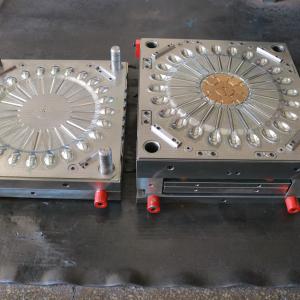
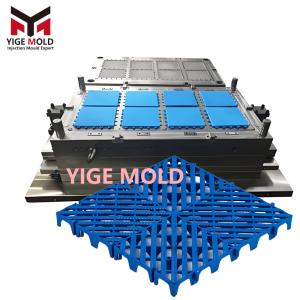
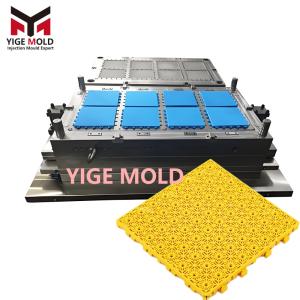
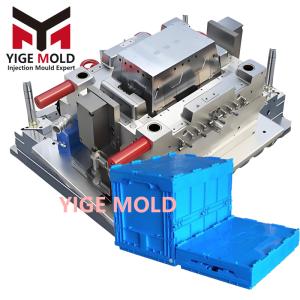
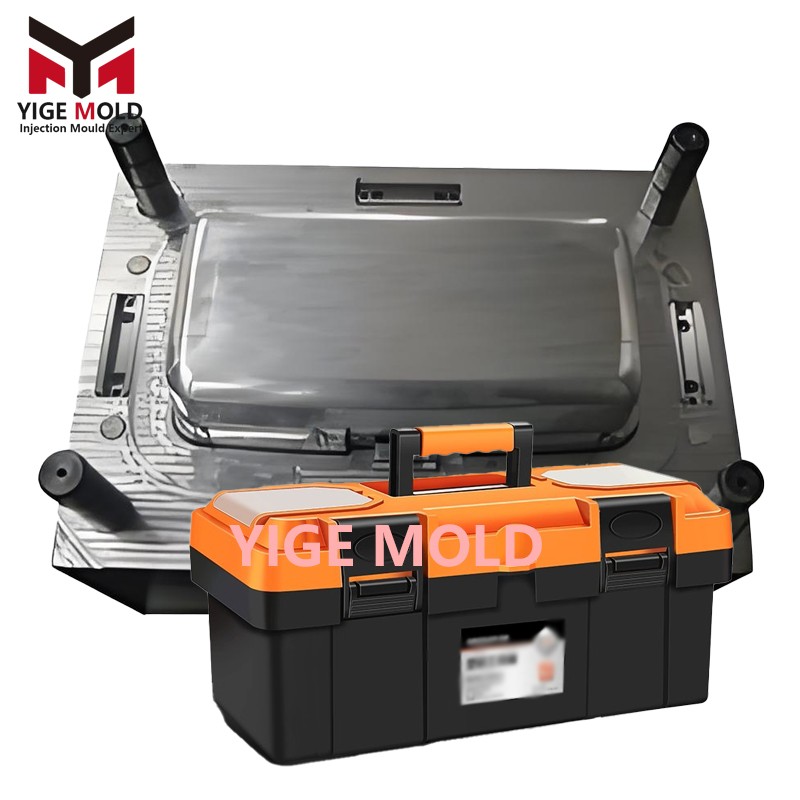
The plastic tool organizer mold is a precision injection molding equipment used to produce modular tool storage systems. Its core technology lies in achieving a systematic design that integrates high space utilization, convenient access functionality, and compatibility with multi-specification components. Through configurable cavity design and stable molding technology, this mold completes the production of multi-purpose storage units featuring precise snap-fit structures, variable partition systems, and functional markings in a single molding cycle. It serves as a vital manufacturing foundation for tool management in industrial sites and professional workplaces.
I. Product Function and Mold Design Positioning
As auxiliary equipment to enhance operational efficiency, the usage requirements of tool organizers impose comprehensive demands on mold design:
-
Space Optimization and Partitioning System:
-
The mold must construct an adjustable partition structure, achieving multiple partition spacing configurations within a preset range through precise slide mechanisms. The bottom of the storage unit is designed with a gentle incline plane (typically 0.5°-1.5°) and micro-drainage holes to facilitate cleaning and liquid drainage.
-
-
Ergonomics and Marking System:
-
The box edges integrate physical marking structures, such as raised dots or recessed grooves for tactile identification, formed through mold machining. The handle area features an optimized curved surface based on ergonomic principles to ensure comfortable grip and reasonable pressure distribution under load.
-
-
Modularity and Compatibility Design:
-
The mold realizes a stable stacking and interlocking function, forming guide structures on the top surface and elastic snap-fits on the bottom surface of the box. The sidewalls can be designed to be compatible with universal slide rail systems to accommodate different storage and mobility needs.
-
II. Core Mold Structure and Engineering Solutions
To reliably produce complex products with variable internal structures, the mold adopts modular and high-precision design principles:
-
Interchangeable Core System:
-
A modular insert design is employed, allowing for quick replacement of inserts for different partition layouts via standardized interfaces. Each insert is equipped with an independent cooling circuit to ensure production stability and temperature uniformity.
-
-
Precision Injection Process Control:
-
For thin-walled areas and complex rib structures, the injection pressure and speed profiles are optimized. Multi-point cavity pressure monitoring is used to ensure complete material filling, reduce defects, and guarantee consistency between production batches.
-
-
Long-Lasting Wear-Resistant Surface Treatment:
-
The mold cavity surface undergoes composite strengthening treatments, such as hard chrome plating or PVD coating, significantly enhancing surface hardness, wear resistance, and release properties to meet the requirements of high-volume, long-life production.
-
III. Manufacturing Process and Quality Control
The manufacturing and validation of the mold adhere to high-standard precision engineering procedures:
-
Multi-Material Process Adaptability:
-
The mold's runner and cooling system design considers the processing characteristics of various engineering plastics, ensuring stable molding of materials ranging from general-purpose plastics to specialty performance materials (e.g., anti-static compounds), while controlling product shrinkage within allowable limits.
-
-
Digital Precision Inspection:
-
3D scanning and coordinate measuring technologies are utilized to conduct comprehensive inspections of key dimensions, fit tolerances, and geometric tolerances of both the mold and trial samples, ensuring a perfect match between design and manufacturing accuracy.
-
-
Systematic Functional and Durability Testing:
-
A complete validation system is established, subjecting finished products to multiple assessments including load testing, opening/closing life cycle testing, stacking stability testing, chemical resistance testing, and environmental adaptability testing to ensure they meet practical strength and lifespan requirements.
-
IV. Technological Value and Industry Application
Advancements in this mold technology bring significant benefits to tool management and related fields:
-
Enhancing Worksite Management Efficiency:
-
Standardized modular design enables neat tool categorization, quick retrieval, and efficient inventory, reducing time wasted searching for tools and improving overall work efficiency.
-
-
Optimizing Total Lifecycle Cost:
-
The highly durable product design extends the service life of the tool organizer. Its modular nature also facilitates partial replacement and repair. The high efficiency and long lifespan of the mold itself reduce the per-unit production cost.
-
-
Promoting Standardization in Warehousing and Logistics:
-
The product's compatibility with universal storage and transportation systems (e.g., shelves, carts) promotes process standardization, from personal tool management to large-scale warehouse material handling.
-
Currently, this mold technology continues to evolve towards higher modularity, greater material adaptability, and improved production economics. It is not merely producing a container but creating a systematic solution that enhances work efficiency, safeguards tool condition, and optimizes space utilization. It plays an increasingly crucial supporting role in modern manufacturing and professional service industries.