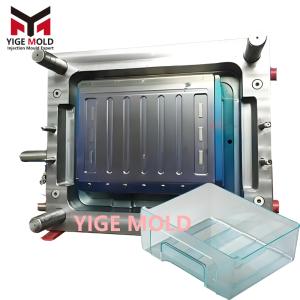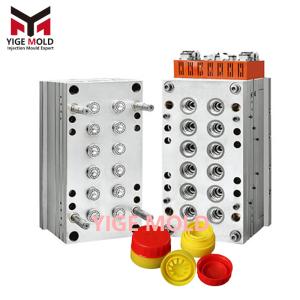
Bread turnover box mold
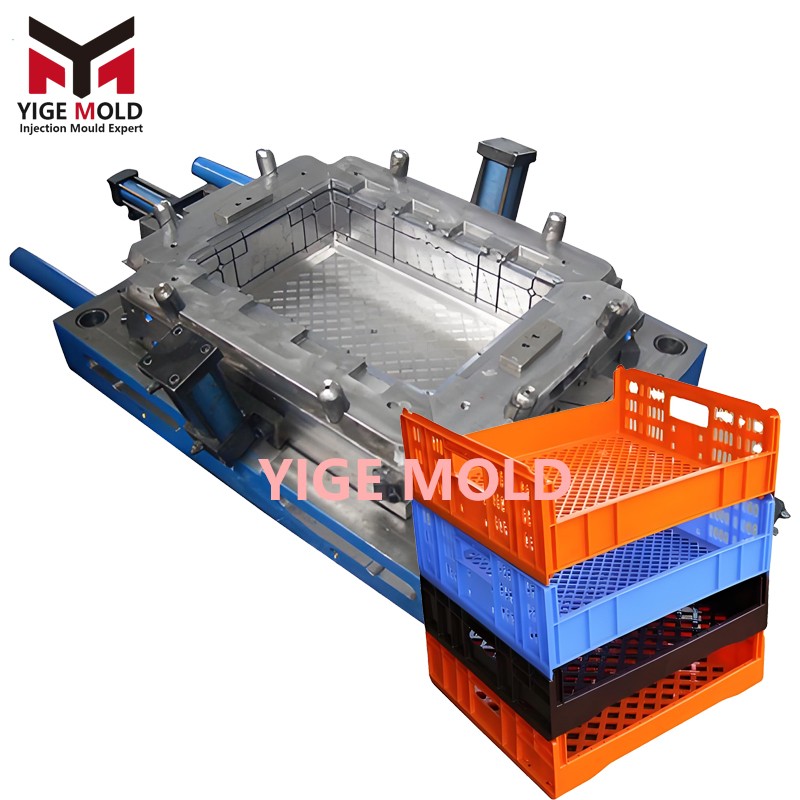
Introduction to Bakery Bread Tote Molds
A Bakery Bread Tote Mold is an industrial injection mold engineered to mass-produce standardized, reusable containers for transporting bread products. The containers formed by this mold are fundamental components in the logistics chain, moving goods from bakery production lines through distribution and into retail spaces. Its design is purpose-driven, directly addressing the core logistical vulnerabilities of bread: physical fragility (crushing, deforming) and quality degradation (staling, moisture loss) during handling and transport.
I. Core Design Philosophy: Engineered Protection for Delicate Goods
The mold's architecture is dictated by the need to protect soft, easily damaged products throughout a dynamic supply chain.
-
Structural Integrity and Damage Prevention:
-
Optimized Dimensions for Stacking: The mold creates containers with a low vertical profile and a broad base. This geometry is calculated to limit the number of containers that can be safely stacked, thereby controlling the compressive force on the bottom layers. This prevents loaves of bread, rolls, and other soft goods from being crushed under their own weight during transport and storage. Achieving flawlessly flat, large surfaces on the molded container is critical to this function.
-
Controlled Product Movement: The internal cavity features a pattern of low, smooth, and widely-spaced ribs. These are not rigid compartments but "soft" barriers designed to minimize product shifting and collision during transit. Their primary function is to prevent abrasive contact between items without creating pressure points that could dent or deform them. This requires precise mold tooling with specific draft angles and highly polished surfaces on these rib features.
-
-
Environmental Management for Freshness:
-
Strategic Ventilation: Unlike sealed containers, bread requires balanced air circulation. The mold incorporates carefully sized and positioned ventilation openings in the sidewalls and lid. This design promotes passive airflow to dissipate excess moisture and ethylene gas, which can accelerate staling and spoilage, while preventing the buildup of condensation that leads to soggy packaging and mold growth.
-
Hygienic Base Design: The container bottom is molded with an array of support feet. This serves a dual purpose: it creates a necessary air gap between the container and any surface to prevent condensation transfer and block ground moisture, and it provides clearance for forklift tines during palletized handling.
-
-
Operational Efficiency and Ergonomic Handling:
-
User-Centered Features: The containers are designed for real-world bakery and logistics workflows. This includes strategically placed, comfortably contoured handholds that provide a secure grip even with wet or floured hands. The overall weight distribution and center of gravity are considered for safe and efficient manual handling.
-
System Integration and Cleanability: Containers feature a uniform, stackable/nestable design for compact storage of empties. The interior is a seamless, unibody construction with large-radius corners, eliminating crevices where debris and bacteria can accumulate. This allows for quick, thorough, and effective cleaning with standard industrial methods, which is essential for food safety compliance.
-
II. Manufacturing Precision for Specialized Performance
Producing a mold for bread totes requires addressing specific technical challenges inherent to their large size and functional requirements.
-
Mastering Large-Part Molding: Bread totes have a large surface area and thin walls for weight efficiency. This combination makes them prone to warping if not cooled uniformly.
-
Advanced Cooling Systems: The mold must incorporate a sophisticated conformal cooling system. This network of channels follows the contours of the mold cavity very closely, allowing for rapid and even heat extraction. This is the single most critical factor in preventing part warpage, ensuring dimensional stability, and achieving a fast production cycle time.
-
Reinforcement Without Bulk: Structural rigidity to withstand stacking loads is achieved not through thick walls, but through an intelligent grid of reinforcing ribs molded into the base and sides. This requires precise machining of the corresponding mold channels.
-
-
Surface Quality and Durability: The mold cavity, especially for interior surfaces, is polished to a high-gloss finish. This ensures the molded plastic is ultra-smooth, non-porous, and easy to clean. Given the abrasive nature of some food residues and the rigors of industrial washing, the mold steel is selected for its hardness, polishability, and resistance to wear and corrosion.
-
Complex Feature Realization: Functional elements like ventilation holes and handhold apertures are created using precisely machined inserts or side-action cores within the mold. The longevity and consistent performance of the mold depend on the precision and durability of these moving components.
III. Tangible Business Value and Return on Investment
Implementing a system based on containers from these molds delivers measurable operational and financial benefits.
-
Direct Reduction in Product Loss: The primary benefit is a dramatic decrease in unsaleable goods. By virtually eliminating crushing, deformation, and surface damage during logistics, the containers protect the product's visual appeal and integrity, directly increasing sell-through and profitability.
-
Extended Shelf Life Potential: Proper ventilation mitigates moisture-related spoilage, helping to maintain product freshness longer. This can reduce waste at the retail level and provide a larger window for sale.
-
Streamlined Material Handling Efficiency:
-
Standardized containers optimize space in trucks and on warehouse shelves. They are designed to interface seamlessly with standard pallets and automated handling equipment where applicable.
-
In-store, they enable efficient "wheel-to-shelf" replenishment. Staff can restock directly from the tote, drastically cutting handling time and labor compared to transferring items individually from cardboard boxes.
-
The durable, reusable nature of the totes eliminates the recurring cost and waste associated with single-use cardboard, contributing to both cost savings and sustainability goals.
-
Conclusion
The Bakery Bread Tote Mold is a specialized piece of industrial tooling that produces a critical link in the modern bakery supply chain. The containers it creates are more than just boxes; they are active protection systems that preserve product quality, enable operational efficiency, and support food safety. Investing in a well-engineered mold system is an investment in reducing loss, controlling costs, and delivering a consistently high-quality product to the end consumer.