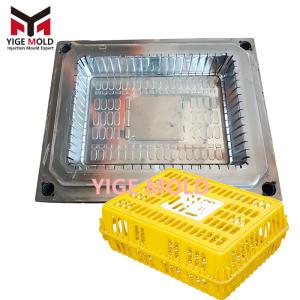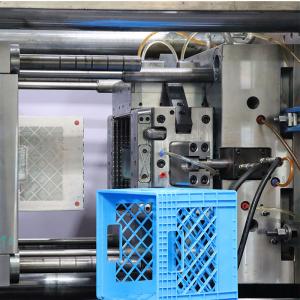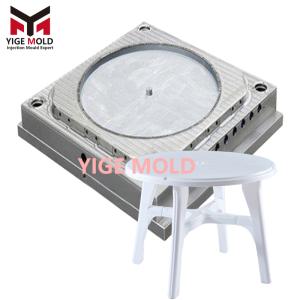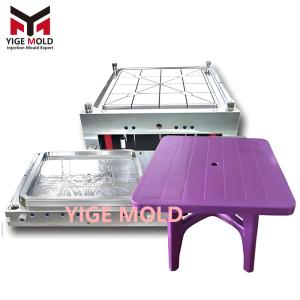
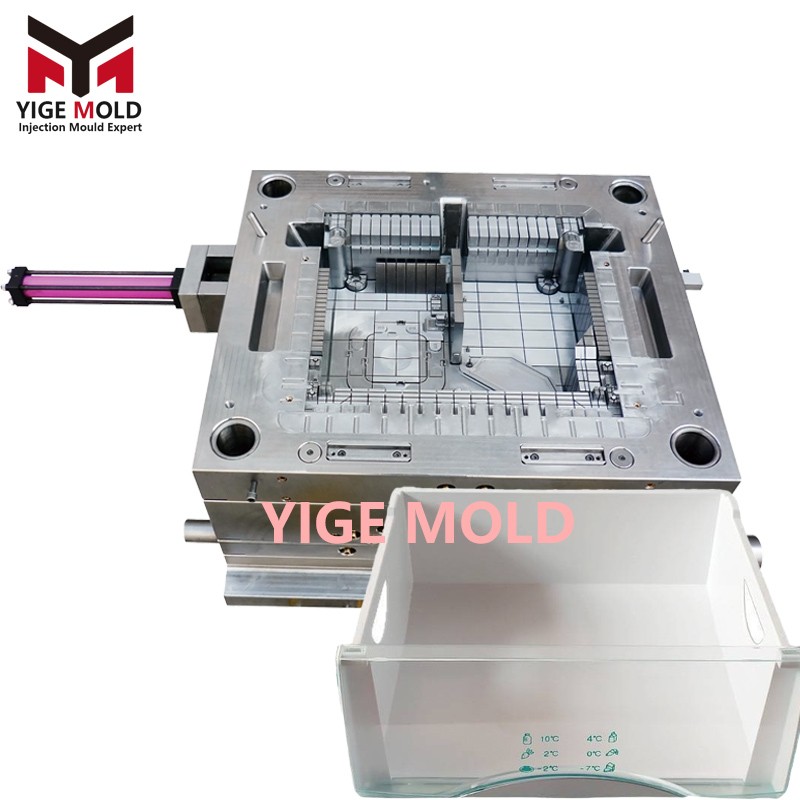
Refrigerator Bin mold
Refrigerator Storage Bin Mold: An Introduction
I. Definition and Overview
A Refrigerator Storage Bin Mold is a precision industrial tool, typically constructed from high-grade mold steel, used in the injection molding process to mass-produce the plastic storage containers—commonly known as crispers, freshness bins, vegetable drawers, or deli bins—found inside domestic refrigerators. It serves as the foundational and critical equipment for manufacturing these essential refrigerator components, determining their final quality, dimensional accuracy, production efficiency, and cost.
Far more than a simple cavity, it is a complex system integrating mechanical design, thermal management, and material science. Its role is to shape molten plastic resin into durable, functional, and aesthetically consistent bins that ensure proper food preservation, organization, and seamless integration with the refrigerator's interior.
II. Key Components and Functional Design
A sophisticated storage bin mold comprises several core systems:
-
Molding System (Cavity & Core): The central female (cavity) and male (core) sections that define the bin's external and internal geometry. Precision-machined and polished to a high-gloss or specified texture finish, they are responsible for the bin's final shape, surface quality, and detail definition.
-
Gating System: The network of channels (runners and gates) that deliver molten plastic from the injection molding machine nozzle into the mold cavity. Advanced molds often employ hot runner systems to reduce material waste, improve cycle times, and enhance part quality by maintaining plastic melt temperature.
-
Cooling System: A network of precisely drilled channels circulating coolant (usually water) throughout the mold. Efficient cooling is paramount for controlling the plastic's solidification rate, minimizing production cycle time (as cooling dominates the cycle), and preventing warpage or internal stresses in the final part.
-
Ejection System: The mechanism (ejector pins, plates, sleeves) that safely removes the solidified plastic part from the mold after cooling. Its design must ensure part integrity and avoid surface marks on critical visible areas.
-
Core-Pulling/Slider System: For bins with undercuts or side features (e.g., handle recesses, internal dividers, latch mechanisms) that cannot be formed in the primary mold opening direction. Sliders or angled lifters move sideways to release these complex geometries, requiring precise timing and alignment.
-
Venting System: Thin channels or gaps that allow air trapped inside the cavity to escape during plastic injection, preventing defects like air burns, short shots, or poor surface finish.
Critical Design Considerations:
-
Draft Angles: Essential tapered surfaces (typically 0.5° to 2°) on vertical walls to facilitate smooth, damage-free part ejection.
-
Uniform Wall Thickness: A fundamental rule to ensure even cooling and prevent sink marks, warpage, or part weakness. Computer-aided engineering (CAE) software, like mold flow analysis, is used to simulate and optimize fill patterns, cooling, and potential shrinkage.
-
Structural Integrity: Strategically placed ribs, gussets, and reinforced edges are designed into the mold to achieve part stiffness and load-bearing capacity (for heavy produce) while minimizing material use and weight.
III. Manufacturing Process and Material Selection
-
Mold Manufacturing: The process involves advanced 3D CAD design (using software like UG/NX, CATIA), followed by high-precision CNC machining, Electrical Discharge Machining (EDM) for complex contours, deep-hole drilling for cooling lines, and meticulous polishing. Final assembly is followed by trial runs (Trial) and fine-tuning on an injection molding machine.
-
Mold Materials: High-performance steels such as P20, 718H, or corrosion-resistant steels like S136 are standard. They are chosen for durability, wear resistance, polishability, and ability to withstand high-pressure, high-temperature cyclic loading.
-
Part Materials: Common plastics include General-Purpose Polystyrene (GPPS) for transparent bins, Polypropylene (PP) for durable opaque or semi-translucent bins, and ABS for applications requiring higher impact strength.
IV. Impact on Final Product Performance and User Experience
The mold's precision directly translates to the end-user's interaction with the bin:
-
Preservation Performance: The accuracy of the sealing lip or flange, formed by the mold, determines how well the bin seals against the refrigerator frame, crucial for maintaining humidity and preventing odor transfer.
-
Usability and Ergonomics: Smooth gliding on refrigerator rails depends on the dimensional stability, flatness, and controlled warpage of the bin's base and sides—all dictated by mold design and cooling uniformity. Comfortable handles and grips are also formed directly by the mold.
-
Hygiene and Safety: A high-quality mold polish creates a smooth, non-porous surface that resists staining and is easy to clean. All edges are designed with safe radii to prevent cuts and reduce stress concentrations.
-
Aesthetics: Visual texture (e.g., matte, linen, glossy) is achieved through chemical etching or laser texturing of the mold surface. The clarity of transparent parts and the consistency of color are heavily influenced by mold temperature control and surface finish.
V. Industry Trends and Future Directions
-
Functional Integration: Molds are evolving to produce bins with integrated features like dedicated slots for humidity/ethylene absorbers, ventilation controls, and compartments for smart sensors, requiring more complex mold mechanisms.
-
Material Innovation: Adapting to new resins, such as bio-based plastics, advanced antimicrobial compounds, and recycled-content materials, poses challenges in mold design regarding cooling, corrosion resistance, and release properties.
-
Customization and Flexibility: The demand for modular refrigerator interiors drives the need for mold designs that allow for quicker changeovers and the production of customizable bin configurations cost-effectively.
-
Smart Manufacturing & Industry 4.0: Integrating sensors into molds for real-time monitoring of temperature, pressure, and wear enables predictive maintenance, optimizes process parameters, and ensures consistent quality.
Conclusion
The Refrigerator Storage Bin Mold is a quintessential example of precision engineering enabling mass-produced consumer goods. It stands as the unsung hero in the manufacturing chain, transforming raw plastic into the intelligent, organized storage solutions that are vital to modern food preservation. As consumer expectations for convenience, health, and sustainability rise, the innovation and refinement of these molds will continue to be a primary driver in the evolution of the refrigerator's internal landscape, bridging the gap between advanced manufacturing and enhanced daily living.