Water intake elbow mold
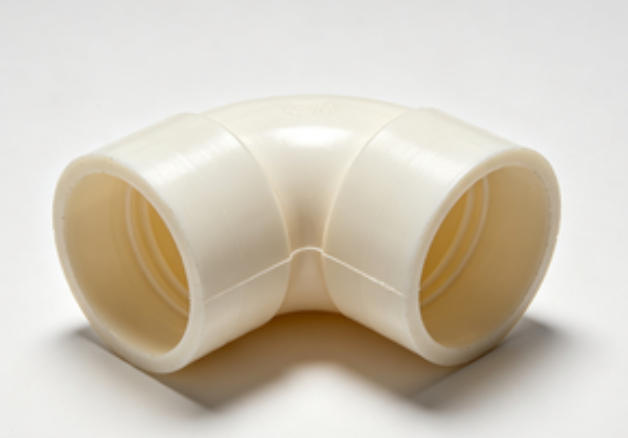
Introduction to Inlet Elbow Molds: The Core Pillar of Precision Manufacturing and the Industrial Foundation
As the core molding equipment for key connectors in pipeline systems, the inlet elbow mold serves as a crucial link bridging fluid transmission demands and industrial manufacturing capabilities. It is not only the core carrier for the large-scale and standardized production of inlet elbows, but also directly determines the flow channel accuracy, structural strength, and sealing performance of the elbows. It profoundly influences the operational efficiency and safety stability of pipeline systems across multiple fields, including civil water supply, industrial production, and municipal construction. From water pipeline layouts in home renovations to the pipeline systems of automotive engines, and further to complex pipeline networks in industrial scenarios such as chemicals and heating, the technological accumulation and iteration of inlet elbow molds have always resonated with the expansion of fluid transmission scenarios and the upgrading of demands. This makes them a key segment in modern manufacturing, characterized by both technical depth and industrial value.
I. Structure and Process: Dual Guarantees for Precision Molding
The core mission of the inlet elbow mold is to precisely transform raw materials into elbow products that meet the requirements of fluid mechanics and structural strength through scientific structural design and mature manufacturing processes. The rationality of its structural design and the precision of its process refinement jointly constitute the core guarantee for the quality of elbow molding.
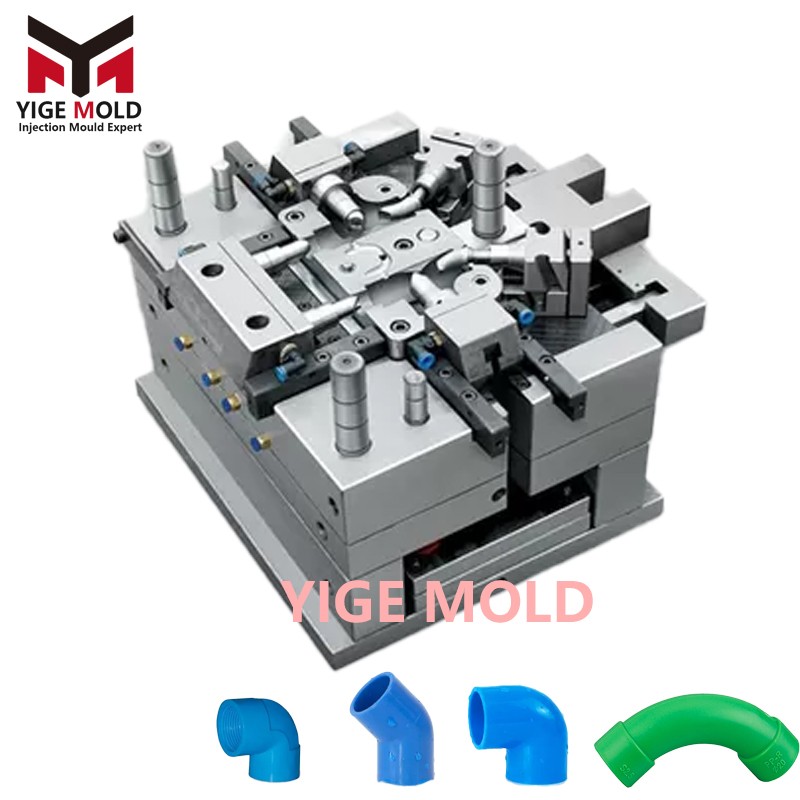
The core of mold structural design lies in balancing molding accuracy, structural strength, and production adaptability, with distinct differentiated features emerging in different application scenarios. In the field of manufacturing automotive engine inlet elbows, the patented mold from Shandong Longji Machinery serves as a typical example. It adopts an integrated structural design combining a metal mold and a sand core. The metal mold features an outer frame structure in the shape of a "口" (square frame), while the sand core has an inner frame structure of the same shape. Both are composed of upper and lower molds that close horizontally, and the parting surfaces are strictly aligned. This design forms independent combination units with a single metal mold and a single sand core. A single sand box can accommodate at least four such combination units, and the upper and lower molds are precisely docked using shared positioning pins and holes. This structure not only ensures the molding accuracy of the complex curved surfaces of the elbow, but also significantly improves the space utilization of the sand box. It effectively solves industry pain points such as low production efficiency and space waste in traditional molds, laying a structural foundation for the large-scale production of automotive engine inlet elbows.
In the field of molds for civil PPR water pipe elbows, structural design focuses more on sealing performance and installation adaptability. The main body of the mold is made of high-strength alloy steel, which undergoes fine machining and multiple heat treatment processes to significantly enhance its hardness and wear resistance. This ensures that the mold can withstand the high pressure and repeated friction during the injection molding process. Meanwhile, the mold is equipped with a slide core-pulling mechanism and an optimized internal flow channel design to ensure that the curved part of the elbow is fully filled without sink marks. Moreover, it forms the socket interface in one piece, providing structural support for the fast and reliable connection of pipelines, thus ensuring the installation convenience and use safety of civil elbows from the source.
The manufacturing process of the inlet elbow mold is a critical link in ensuring molding quality. It requires strict adherence to multiple rigorous procedures, including design, casting, heat treatment, and precision machining. The precise control of each procedure directly affects the performance and service life of the mold. In the manufacturing of PPR water pipe elbow molds, the high-strength alloy steel undergoes multiple rounds of heat treatment. By precisely controlling the temperature and time, the mold is ensured to have stable hardness and wear resistance, preventing product dimensional deviations caused by mold wear during the molding process. At the same time, the cooling system of the mold is meticulously designed to ensure uniform and efficient cooling during the molding process, preventing product deformation due to uneven cooling and guaranteeing the dimensional accuracy and long-term reliability of the elbows. In the manufacturing of automotive engine inlet elbow molds, the machining accuracy of the metal mold and sand core must be strictly matched. Through precise mechanical processing and assembly processes, the fit and positioning accuracy of the upper and lower molds are ensured, guaranteeing the smooth transition of the elbow's flow channel and structural strength to meet the rigorous requirements of automotive engine pipelines for high precision and high reliability. This collaborative refinement of process and structure enables inlet elbow molds to adapt to the production needs of elbows with different materials and specifications, achieving full-scenario coverage from complex industrial components to civil pipeline accessories.
II. Application Scenarios: Comprehensive Penetration from the Details of People's Livelihood to the Core of Industry
The application boundary of inlet elbow molds continues to expand with the diversification of fluid transmission demands. They deeply penetrate into the core links of people's livelihood security and industrial production. With the advantages of strong adaptability and high molding accuracy, they have become a key support for pipeline system construction, presenting a pattern of parallel development and synergistic progress between people's livelihood and industry.
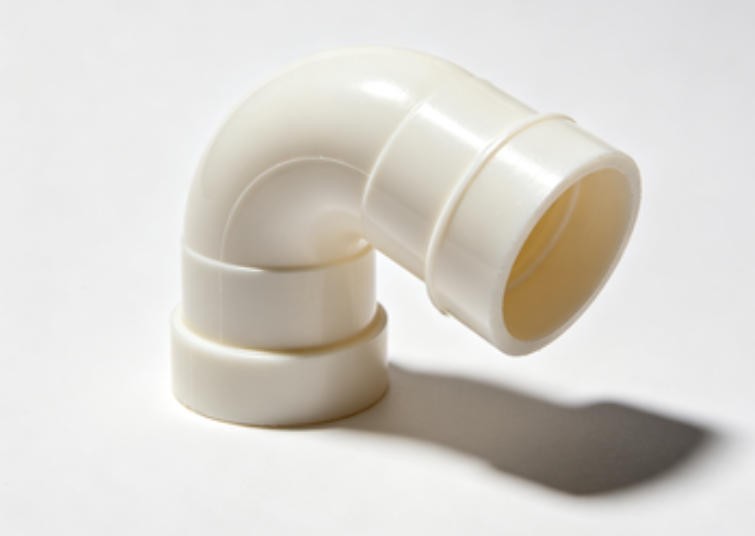
In the field of people's livelihood, the application of PPR water pipe elbow molds has been deeply integrated into every aspect of home life and urban construction. In home renovations, from the elbow connections of hot and cold water pipes in bathrooms, the layout of water supply and drainage pipelines in kitchens, to the construction of balcony water supply systems, PPR elbows have perfectly replaced traditional metal elbows, which are prone to rust, heavy, and cumbersome to install, thanks to their characteristics of high-temperature resistance, corrosion resistance, and high compressive strength. These elbows are not only light in weight and small in size, making them easy to transport and install, but are also made of non-toxic and odorless environmentally friendly PPR materials, eliminating water quality pollution from the source and building a strong defense for household water safety. In urban construction projects, large-scale buildings' air conditioning systems, fire protection systems, and water supply and drainage systems have extremely high requirements for the stability and reliability of pipelines. The elbows produced by PPR elbow molds, with their excellent corrosion resistance and pressure resistance, can adapt to the transportation needs of different media, ensuring the long-term stable operation of the systems. In municipal water supply and renovation projects of old residential communities, such elbows have also become core accessories for pipeline renovation due to their convenient construction and long service life, providing support for the smooth operation of urban infrastructure.
In the core field of industry, technological breakthroughs in inlet elbow molds have become a key driver for industrial upgrading. Taking the automotive engine inlet elbow mold as an example, as the core molding equipment for the engine's water inlet pipeline, it is directly related to the cooling efficiency and operational stability of the engine. The patented mold from Longji Machinery achieves high-efficiency and high-precision production of automotive engine inlet elbows through integrated design and high-precision manufacturing. It solves industry problems such as low production efficiency and unstable quality of traditional molds, providing technical guarantees for the large-scale and standardized manufacturing of automotive parts. It helps the automotive manufacturing industry improve the quality and production capacity of core components, meeting the automotive industry's demands for high precision and high reliability of engine pipelines. In industrial scenarios such as chemicals, heating, and equipment manufacturing, the elbows produced by inlet elbow molds need to withstand complex working conditions such as strong corrosive media, high temperature, and high pressure. Through optimized material selection and structural design, the molds ensure the structural strength and sealing performance of the elbows, meeting the strict requirements of industrial production for the continuous operation, safety, and stability of pipeline systems. Thus, they have become an important support for the construction of pipelines in core industrial equipment.
III. Technological Iteration and Industry Trends: Advancing towards Efficiency, Precision, and Sustainability
As the manufacturing industry transforms towards high-quality and sustainable development, the inlet elbow mold industry is accelerating innovation around three core directions: structural optimization, material upgrading, and green manufacturing. This is driving the transition of mold technology from traditional manufacturing to precision and high-efficiency manufacturing, aligning with the core requirements of industrial upgrading for efficiency, precision, and environmental protection.
In terms of structural and material innovation, the industry continues to focus on integrated design and the application of high-performance materials to enhance the service life and production efficiency of molds. In structural design, mold companies are continuously optimizing integrated structures. Through modular design and unitized combination, the space utilization and production adaptability of molds are improved. For example, the multi-unit integrated design of the engine inlet elbow mold not only reduces production energy consumption but also simplifies the assembly process. In terms of material application, the industry is expanding from traditional alloy steel to new composite materials with high pressure resistance, wear resistance, and corrosion resistance. By enhancing material performance, the wear resistance and stability of the molds are improved, extending the service life of the molds. This reduces product accuracy deviations and resource waste caused by mold wear, achieving a dual improvement in production efficiency and product quality.
In terms of green manufacturing and efficiency improvement, the industry is actively exploring paths for energy conservation, consumption reduction, and resource recycling, promoting the transformation of mold manufacturing towards low-carbon and environmental protection. During the mold manufacturing process, companies reduce energy consumption and waste generation by optimizing casting processes and improving heat treatment procedures. At the same time, they explore waste recycling technologies, recovering and reprocessing metal waste generated during production to achieve resource recycling, reducing the environmental impact of production. In addition, the industry focuses on improving production efficiency by optimizing mold structural design, simplifying mold changeover processes, and shortening mold debugging and production cycles. This enhances production capacity per unit time, meeting the market's demand for large-scale elbow products. The coordinated advancement of efficient production and green development aligns with the core requirements of the manufacturing industry's transformation and upgrading.
From the perspective of industry development trends, efficiency, precision, and customization will become the core development directions of inlet elbow molds in the future. As various industries raise their performance requirements for pipeline systems, the structures of elbows are becoming increasingly complex and the working conditions more stringent. This requires mold companies to further enhance their R&D capabilities, break through key technologies such as high-precision molding, rapid mold changeover, and multi-specification adaptation, and meet the production needs of elbows in complex scenarios. At the same time, with the diversification of market demands, the demand for customized molds will gradually grow. Mold companies need to have the ability to quickly respond to personalized demands, achieving customized production of elbows with different specifications and materials through modular design and flexible manufacturing technology, to adapt to the personalized needs of different industries and scenarios. Furthermore, green manufacturing will become an inevitable choice for industry development. Mold companies need to continuously optimize production processes, reduce energy consumption and emissions, and promote the industry towards a low-carbon, environmentally friendly, and sustainable direction, aligning with the overall requirements of national carbon peak and carbon neutrality goals and high-quality development of the manufacturing industry.
As the core molding equipment for pipeline systems, the technological development of inlet elbow molds not only concerns the quality and performance of elbow products but also directly affects the efficiency and safety of fluid transmission systems. From the continuous optimization of structural design to the meticulous refinement of manufacturing processes, from the widespread penetration of people's livelihood scenarios to technological breakthroughs in core industrial fields, inlet elbow molds have always kept pace with the upgrading of the manufacturing industry, constantly consolidating the industrial foundation through innovation. In the future, with the in-depth advancement of trends towards efficiency, precision, and sustainability, the inlet elbow mold industry will take technological iteration as the core driving force, continuously providing solid equipment support for the fluid transmission field. In the process of promoting the transformation and upgrading of the manufacturing industry, it will continuously release industrial value and firmly build the core foundation for the safe and stable operation of pipeline systems.