clothes hanger mold
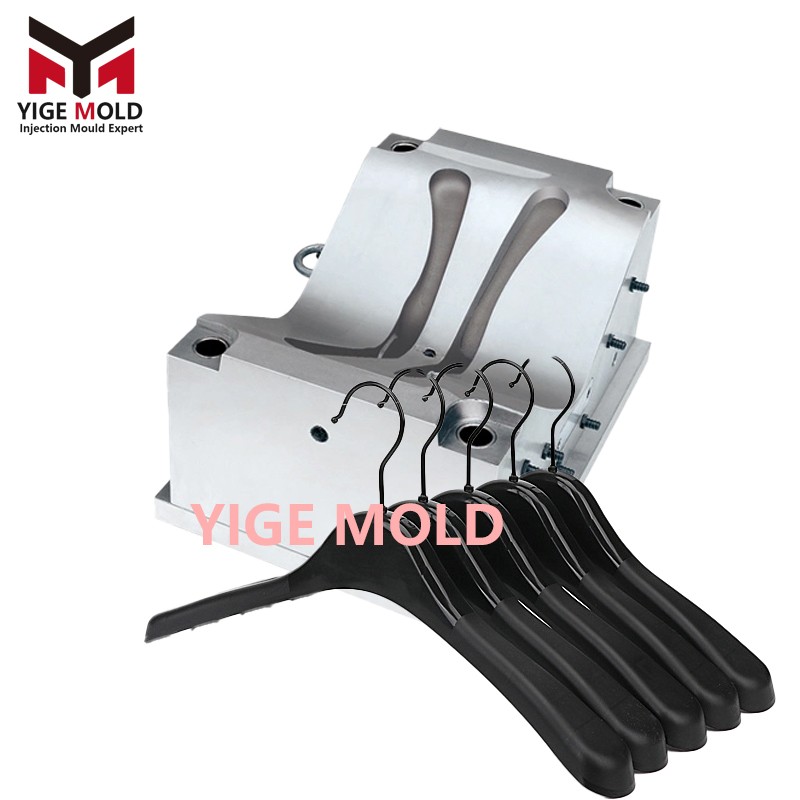
Clothes Hanger Mold: Comprehensive Introduction
A clothes hanger mold is a specialized injection molding tool designed for mass production of plastic garment hangers. This precision-engineered equipment plays a crucial role in the manufacturing process, determining the final product's shape, quality, and production efficiency. The mold operates by injecting molten plastic material into its cavity under high pressure, where it cools and solidifies to form the finished hanger product.
Core Manufacturing Process
The injection molding process for clothes hangers follows a systematic six-stage cycle: mold clamping, injection, pressure holding, cooling, mold opening, and plastic hanger removal. This continuous production cycle enables high-volume manufacturing with consistent quality output. Modern hanger molds are typically designed as multi-cavity systems, allowing simultaneous production of multiple hangers in a single cycle - commonly one-out-two or one-out-four configurations.
Material Selection and Technical Specifications
The choice of mold material is critical for long-term performance and product quality. Common materials include:
-
45# Steel: Carbon structural steel with moderate hardness, suitable for lower production volumes and cost-sensitive applications
-
P20: Pre-hardened plastic die steel, ideal for long-term production of high-quality plastic molds
-
718: Enhanced quenching capability for better performance in large-size plastic mold applications
-
H13: Hot work die steel requiring vacuum quenching to achieve hardness above 50 HRC
Advanced Design Features
Modern clothes hanger molds incorporate several sophisticated design elements:
Multi-Cavity Configuration: Enables simultaneous production of multiple hangers, significantly boosting manufacturing efficiency and reducing per-unit costs.
Hot Runner System: Maintains molten plastic at optimal temperature throughout the injection process, reducing material waste and cycle times.
Precision Cooling Channels: Strategically designed cooling systems ensure uniform temperature distribution, preventing product deformation and shortening cycle times.
Automatic Ejection: Integrated ejection systems with pins and plates ensure smooth product removal without manual intervention.
Quality Control and Performance Standards
Professional mold manufacturers like Yige Mold implement rigorous quality control measures throughout the production process. Key performance indicators include:
-
Dimensional Tolerance: Typically maintained within ±0.1mm
-
Cycle Time: Average 8-45 seconds depending on mold complexity
-
Mold Life: Capable of producing 500,000 to 1 million shots
-
Surface Finish: Options include high-gloss polishing or textured finishes
Customization Capabilities
Clothes hanger molds can be fully customized to meet specific design requirements, including:
-
Various hanger types (adult, children, heavy-duty, lightweight)
-
Different materials (PP, ABS, PE, acrylic)
-
Custom colors and surface treatments
-
Brand logos and size indicators
-
Special features like non-slip inserts or trouser bars
Industry Applications
These molds serve diverse market segments including:
-
Fashion Retail: Custom hangers for clothing brands
-
Hotel Industry: Durable hangers for hospitality use
-
Home Organization: Space-saving and decorative hangers
-
Commercial Laundry: Heavy-duty hangers for industrial applications
Technical Support and After-Sales Service
Reputable manufacturers like Yige Mold provide comprehensive support including:
-
2D/3D design and mold flow analysis
-
CNC milling, high-speed carving, and EDM processing
-
Mold assembly and surface finishing
-
Trial production and sample testing
-
1-3 year warranty with spare parts availability
The clothes hanger mold industry continues to evolve with advancements in materials science, precision engineering, and automation technologies, enabling manufacturers to produce high-quality garment hangers with improved efficiency and reduced environmental impact.