Juice beverage box mold
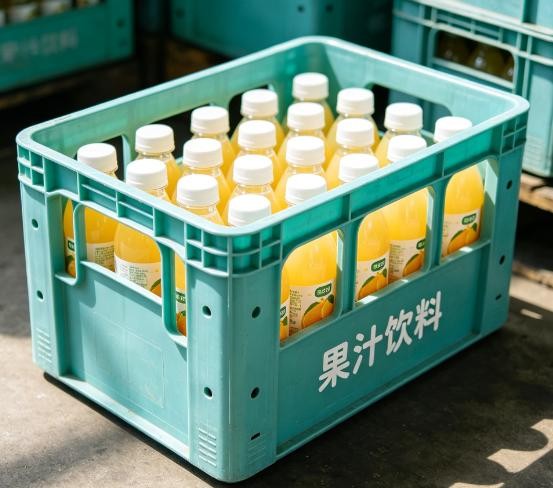
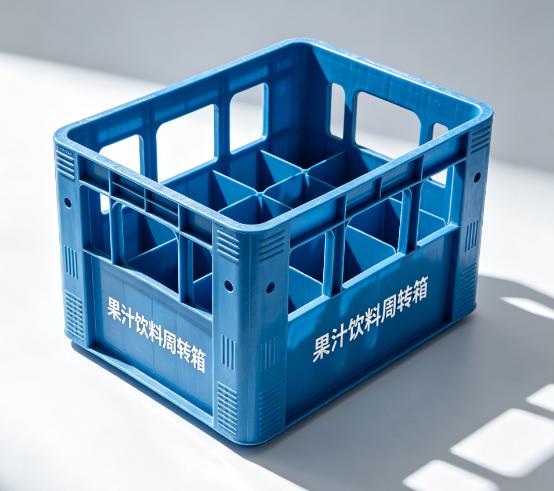
Introduction to Fruit Juice Beverage Case Molds
I. Overview of Fruit Juice Beverage Case Molds
1.1 Definition of Fruit Juice Beverage Case Molds
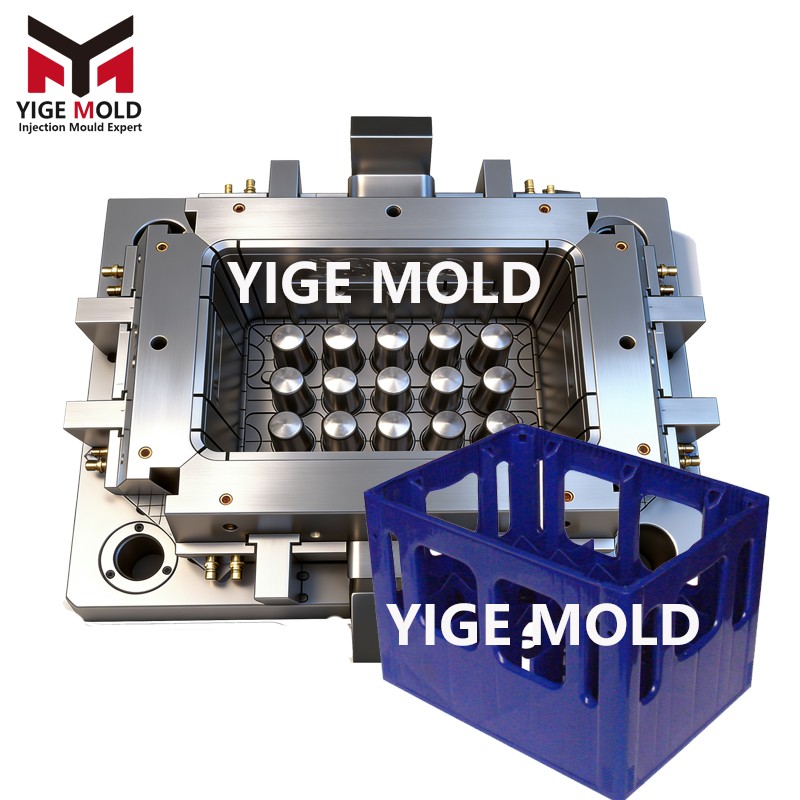
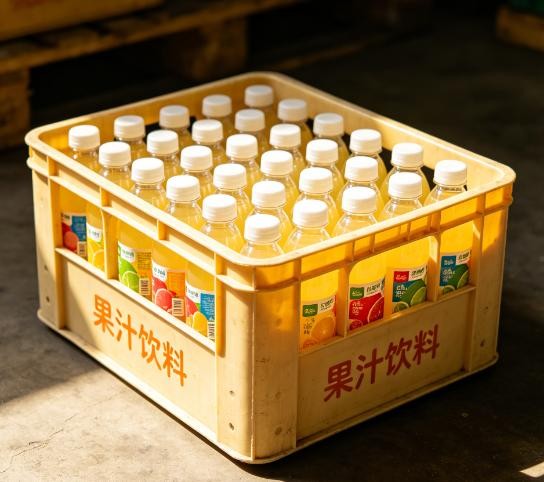
Fruit juice beverage case molds are specialized tools designed specifically for manufacturing packaging cases for fruit juice drinks. They play a vital role in the production and packaging chain. Using these molds, raw materials such as paper or plastic are processed through a series of complex techniques to form finished packaging cases. These cases must possess sufficient structural strength to protect the beverages during transportation, storage, and sales, while also meeting requirements for aesthetic appeal, portability, and display. As the foundational equipment for juice packaging production, the design and manufacturing level of these molds directly determines the quality and production efficiency of the final packaging.
1.2 Importance of Fruit Juice Beverage Case Molds
In the beverage packaging industry, the importance of these molds is self-evident.
-
Production Efficiency: High-quality molds enable fast, efficient production, shortening cycles and increasing a company's production capacity and market responsiveness to meet mass production demands.
-
Product Quality: Precision molds ensure accurate dimensions, smooth surfaces, and clear graphics, enhancing the packaging's appearance and market competitiveness.
-
Cost Effectiveness: Superior molds reduce material waste and production costs, creating higher economic benefits. Furthermore, with increasing consumer demand for personalization, advanced molds can meet these special requirements, helping enterprises stand out in a fiercely competitive market and driving innovation in the industry.
II. Classification of Fruit Juice Beverage Case Molds
2.1 Classification by Material
-
Plastic Molds: Typically made from PP, PE, etc. They are low-cost and easy to process, suitable for high-volume production of relatively simple cases.
-
Metal Molds: Usually steel, offering high strength, wear resistance, and precision. Ideal for high-end production with strict quality requirements, though at a higher cost.
-
Aluminum Alloy Molds: Lightweight, aesthetically pleasing, corrosion-resistant, and elastic. Suitable for scenarios with special requirements for appearance and lightweighting.
-
FRP (Fiberglass Reinforced Plastic) Molds: High strength, rigid, heat-insulating, and chemically resistant. Used for special environmental requirements.
2.2 Classification by Structure
-
Integral Molds: The entire mold is a single, inseparable unit. They offer high precision and consistency, making them suitable for high-end packaging. However, they are complex to manufacture, costly, and difficult to repair if locally damaged.
-
Modular/Composite Molds: Composed of multiple detachable parts. They offer flexibility for adjustments and part replacements, suiting production scenarios requiring frequent changes in style or specifications, though their precision may be slightly lower than integral molds.
III. Design and Manufacturing of Fruit Juice Beverage Case Molds
3.1 Design Process
The design process is systematic and complex:
-
Requirement Analysis: Deeply understanding functional needs (load-bearing, shockproofing, moisture resistance) and specific customer requirements (appearance, size, material).
-
Information Gathering: Collecting data on market competitors and new material technologies.
-
Scheme Determination: Defining the mold structure, materials, and processing techniques.
-
Detailed Design: Using CAD software to draw 2D drawings and 3D models, precisely designing dimensions and fits.
-
Review & Optimization: Organizing expert evaluations and adjusting the design based on feedback to ensure it meets production needs.
3.2 Manufacturing Process
Manufacturing involves multiple stages:
-
Rough Machining: Using milling and lathe machines to remove excess material and form the basic shape.
-
Finish Machining: Utilizing CNC machining centers and EDM for high-precision processing to meet tolerance and surface finish requirements.
-
Heat Treatment: Processes like quenching and tempering to enhance hardness, wear resistance, and toughness.
-
Surface Treatment: Polishing and chrome plating to improve surface quality, corrosion resistance, and aesthetics.
-
Quality Control: Implementing strict standards throughout and using inspection equipment to detect and correct issues at every stage.
IV. Market Status of Fruit Juice Beverage Case Molds
4.1 Market Demand
The current demand for these molds is substantial. Rising living standards and health awareness have boosted juice consumption, driving mold demand.
-
Trends: Consumers demand personalized and differentiated packaging, pushing molds toward customization.
-
Environmental Awareness: Molds for biodegradable and recyclable materials are favored.
-
Technology: Smart, high-efficiency molds are becoming the new favorite to help enterprises reduce costs and improve quality.
4.2 Competitive Landscape
The market is intensely competitive.
-
International Players: Renowned foreign enterprises dominate the high-end market with advanced technology and brand recognition.
-
Domestic Players: Although starting later, domestic firms have developed rapidly due to policy support and strong demand. They hold significant shares in the mid-to-low-end market due to high cost-effectiveness and fast response times. Leading domestic companies are now advancing into the high-end market, diversifying the competitive landscape.
V. Development Trends of Fruit Juice Beverage Case Molds
5.1 Technological Innovation Directions
-
Materials: New composite materials with high strength, lightweight, and corrosion resistance will be key. For instance, plastic molds with nano-materials added offer higher hardness and antibacterial functions.
-
Design: Digital design and big data analysis will predict market trends for more attractive designs. AI will automate design processes, boosting efficiency.
-
Manufacturing: Additive manufacturing (3D printing) will enable rapid prototyping of complex structures, reducing costs and lead times. Precision machining will continue to advance, achieving higher accuracy and surface quality.
5.2 Market Demand Changes
-
Functionality: Future demand will focus on convenience and function. Consumers want cases that are easy to open and carry, with features like freshness preservation and leak prevention. Smart cases that adjust internal atmospheres will gain popularity.
-
Environmental Protection: Demand for molds using degradable and recyclable materials will continue to grow.
-
Simplicity: Minimalist design is trending. Consumers dislike excessive packaging; simple, elegant cases reduce waste and costs while aligning with environmental protection goals.
VI. Maintenance and Care of Fruit Juice Beverage Case Molds
6.1 Daily Maintenance Points
-
Cleanliness: Clean residual material and dust from the mold surface immediately after production to prevent quality issues.
-
Fasteners: Regularly check for loose bolts and tighten them to prevent shifting during operation.
-
Lubrication: Apply lubricant to moving parts regularly to ensure smooth motion and reduce wear.
-
Environment: Control the working environment (temperature/humidity) to prevent rust and deformation.
6.2 Troubleshooting and Repair
-
Jamming: Often caused by foreign objects or severe wear. Clean the cavity or replace worn parts.
-
Dimensional Deviation: Indicates changes in cavity/core dimensions. Repair or calibrate the mold.
-
Surface Scratches: Polish minor scratches. For deep scratches, weld and then polish.
-
Cooling System Failure: Clear blocked cooling channels with compressed air or cleaning agents.
-
Electrical Faults: Inspect circuit connections and sensors, replacing damaged components promptly to ensure normal operation.