Plastic Bucket and Handle Assembly Mold
Introduction to Pail and Handle Integrated Assembly Molds
I. Overview of Pail and Handle Assembly Molds
1.1 Definition and Purpose
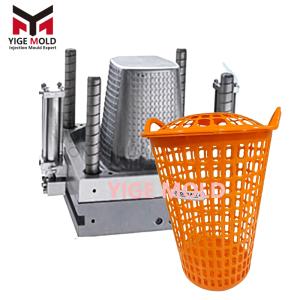
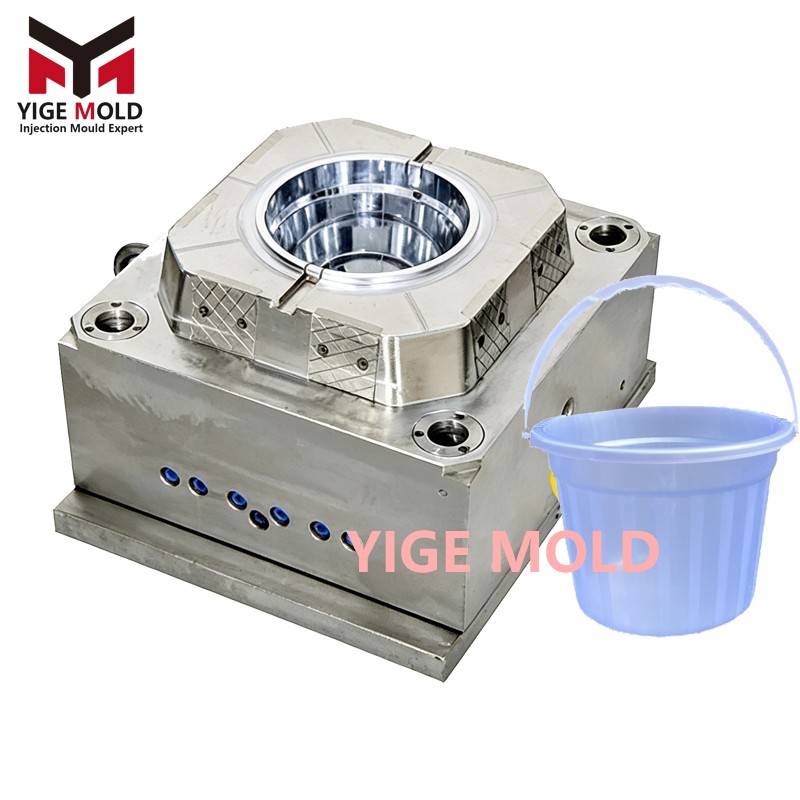
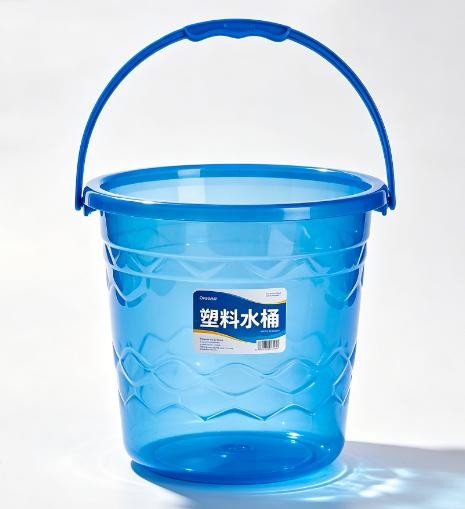
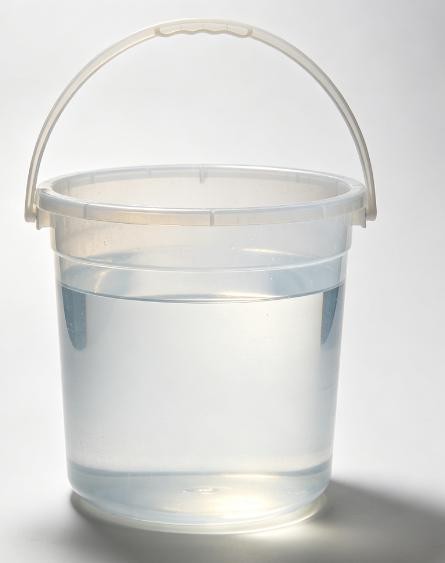
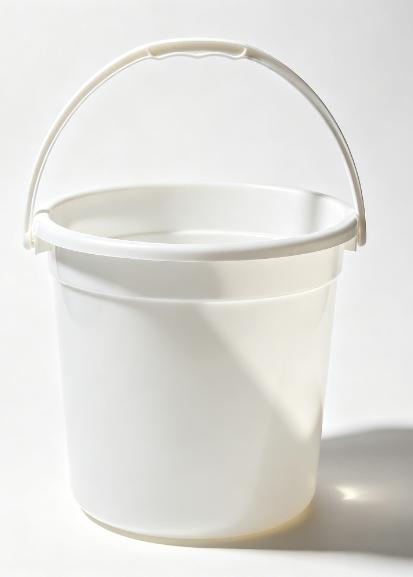
In the realm of plastic product manufacturing, pail and handle assembly molds play a vital role. These are specialized tools designed for producing integrated containers where the plastic pail and its handle are formed and assembled as a single unit. Typically composed of precision components such as the moving mold, fixed mold, core, and cavity, these molds utilize the heating and pressure capabilities of an injection molding machine. Molten plastic is injected into the mold cavity, and upon cooling and solidification, the finished integrated pail and handle product is formed.
Their utility spans across multiple industries, including chemicals, food, beverages, and daily chemicals. They provide essential packaging containers that ensure products are transported, stored, and used safely and conveniently. As such, these molds are indispensable equipment in modern plastic product manufacturing.
1.2 Market Demand for Integrated Containers
With rapid economic development and rising living standards, the market demand for integrated plastic pails with handles continues to grow. In the chemical industry, they are used for storing and transporting reagents and pharmaceuticals. The food and beverage industry relies on them for packaging edible oils and drinks, while the daily chemical sector uses them for detergents and cosmetics.
Looking at trends, consumer demand for convenience and aesthetics is increasing. Integrated containers are favored for their ease of use and clean appearance. Furthermore, with growing environmental awareness, recyclable and eco-friendly integrated containers are becoming market favorites. It is projected that demand will continue to expand in the coming years, promising a broad application prospect for these molds.
II. Mold Structure and Design
2.1 Overall Structural Design
The overall structure of a pail and handle assembly mold is complex and precise, mainly comprising:
-
Gating System: Directs molten plastic from the nozzle into the cavity (including sprue, runners, and gates) to ensure smooth filling.
-
Temperature Control System: Regulates mold temperature via cooling channels to control cooling speed and ensure quality.
-
Molding Components: Directly form the product shape (core and cavity). Their dimensional accuracy and surface finish dictate the quality of the final product.
-
Structural Components: Provide support and alignment (e.g., mold plates). The moving and fixed molds close to form the cavity and open for part ejection.
These systems work in concert to complete the molding of the pail and handle.
2.2 Buckle and Connection Ring Design
Buckles and connection rings are critical components.
-
Buckles: Usually designed as hooks or inverted structures. Their dimensions must match the wall thickness of the handle and pail, providing sufficient strength without causing assembly difficulties.
-
Connection Rings: Typically annular structures designed to fit snugly over the handle and interface with the pail opening.
The design requires precise alignment between the buckle position and the ring. The inclination angle of the buckle and the opening size of the ring are carefully engineered to allow easy assembly while preventing loosening during use, ensuring a reliable connection.
2.3 Plastic Connecting Strap Design
The plastic connecting strap plays a crucial role in integrated designs.
-
Shape & Material: Usually a flat band made of polyethylene (PE) or polypropylene (PP), offering excellent flexibility, chemical resistance, and processability.
-
Function: It securely tethers the handle to the pail, preventing detachment during lifting. It also acts as a buffer, reducing handle wobble and improving user comfort and stability.
A well-designed strap enhances both the structural integrity and the aesthetic appeal of the product.
III. Working Principle of the Mold
3.1 Injection Molding Process
The injection molding cycle is the core of the operation:
-
Plasticizing: Raw plastic material is fed into the barrel, heated, and melted into a viscous fluid.
-
Injection: The molten plastic is injected at high speed and pressure into the closed mold cavity.
-
Packing & Holding: Pressure is maintained to compensate for material shrinkage as the plastic cools.
-
Cooling: The mold temperature is controlled to solidify the part.
-
Ejection: Once cured, the mold opens, and the ejector system removes the finished product. The mold then closes to begin the next cycle.
3.2 Handle and Pail Assembly Process
The assembly of the handle and pail occurs seamlessly within the mold:
-
Integrated Straps: If a connecting strap is used, it is molded simultaneously with the pail and handle, completing the assembly instantly.
-
Buckle Assembly: For buckle-style connections, the mold executes specific movements. The handle is positioned accurately by the mold's locating mechanism. As the mold closes, the buckle structure engages precisely with the handle. The clamping force secures the connection, ensuring a stable and firm assembly before the final product is ejected.
IV. Advantages and Characteristics of the Mold
4.1 Reduced Processes and Costs
This mold design significantly reduces production complexity and costs. By integrating the production of the pail and handle into one step, it eliminates the need for separate molds for each part and removes the subsequent manual or robotic assembly process. This consolidation reduces capital expenditure on equipment, lowers maintenance costs, and cuts down on labor expenses. Additionally, optimized material flow often results in lower material consumption per unit, delivering higher economic benefits to manufacturers.
4.2 Improved Efficiency and Quality
The mold greatly enhances both productivity and product quality.
-
Efficiency: Automated, continuous production cycles result in high output rates.
-
Quality: Precision engineering ensures consistent dimensional accuracy and surface finish. Unlike manual assembly, which can introduce errors, the mold guarantees that every product meets strict standards. The synergy between the temperature control system and the injection process ensures stable internal structure and performance, resulting in highly reliable products.
V. Application Prospects
5.1 Applications Across Various Fields
Products manufactured by these molds are widely used:
-
Packaging: Food, beverages, and cosmetics benefit from the excellent sealing and portability.
-
Logistics: Reusable integrated containers reduce packaging costs and minimize product damage during transit.
-
Chemical Industry: Safe containment of reagents and pharmaceuticals.
-
Agriculture: Convenient packaging for seeds and fertilizers.
Looking forward, the application scope is set to expand further into emerging sectors such as new energy vehicle battery packaging and medical device storage and transportation, where robust, integrated, and reliable containers are essential.