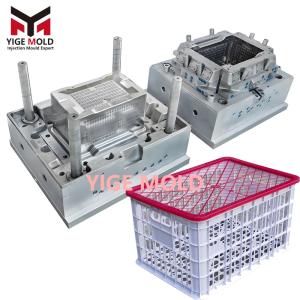
Plastic Floor Grille Mold
Introduction to Plastic Ground Grid Molds
I. Overview of Plastic Ground Grid Molds
1.1 Definition of Plastic Ground Grid Molds
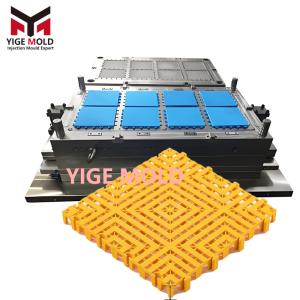
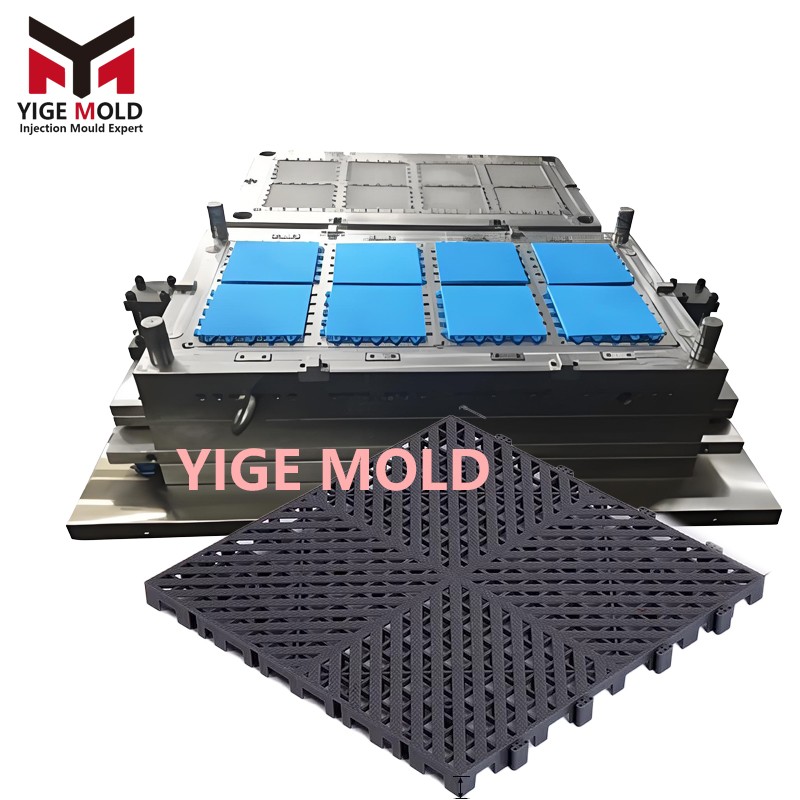
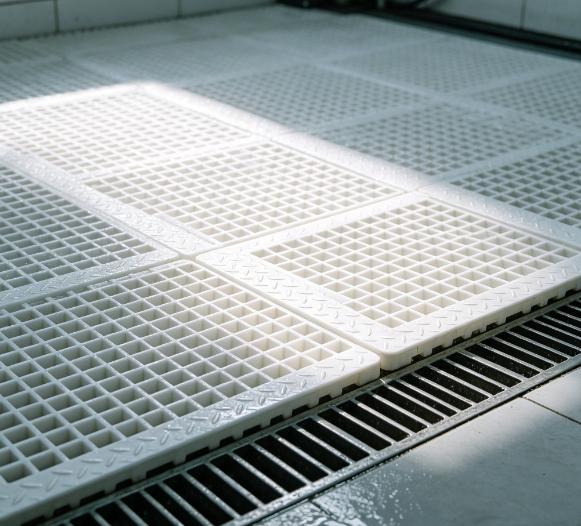
Plastic ground grid molds are specialized tools designed specifically for manufacturing plastic ground grids (also known as geocells or grass pavers). Their basic form typically consists of regular geometric shapes with internal structures corresponding to the design of the plastic grid. Functionally, these molds transform plastic raw materials into finished products with specific dimensions, shapes, and performance requirements under controlled temperature and pressure conditions.
A plastic ground grid mold generally consists of two main parts: the moving mold (cavity) and the fixed mold (core). The moving mold connects to the injection molding machine's moving platen, while the fixed mold attaches to the stationary platen. During clamping, the two halves close to form the mold cavity. Molten plastic is injected into this cavity, and after cooling and solidification, the mold opens. An ejection system then pushes the finished plastic ground grid out of the mold. As the core equipment in production, the quality of the mold directly influences the yield, quality, and production costs of the plastic ground grids.
1.2 Application Fields of Plastic Ground Grid Molds
Plastic ground grid molds are widely used across numerous industries.
-
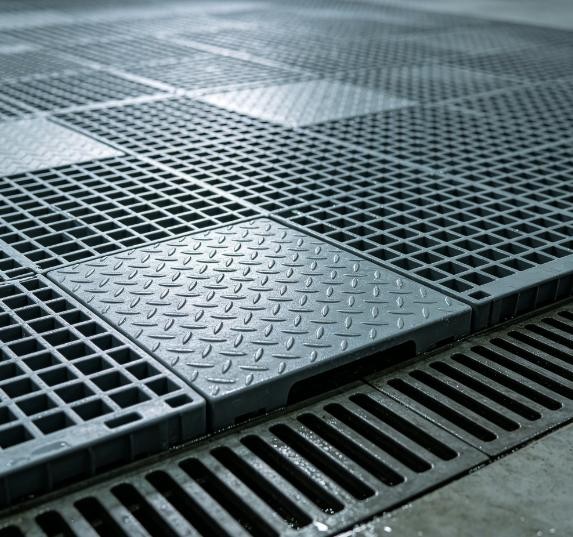
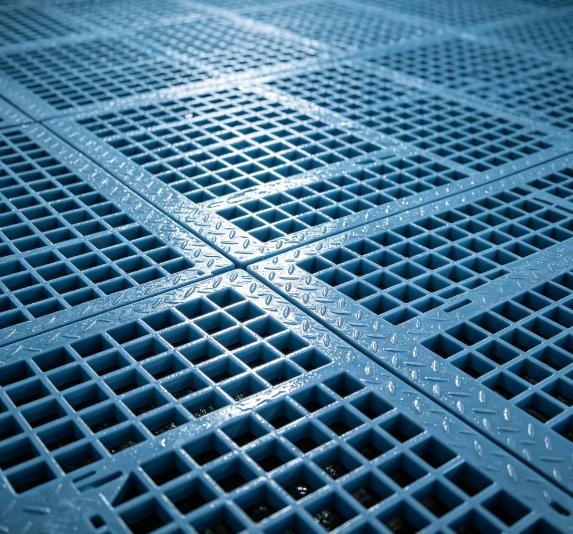
Landscaping & Gardens: Grids produced by these molds can be laid on garden paths and lawns. They protect the soil, facilitate pedestrian traffic, and maintain the aesthetic appeal of the landscape without obstructing grass growth.
-
Municipal Engineering: In sidewalks and plazas, plastic ground grids effectively distribute ground loads, prevent subsidence, and enhance load-bearing capacity. In urban drainage systems, components like trench covers manufactured using these molds ensure smooth water flow while providing sufficient strength for pedestrians and vehicles.
-
Transportation Infrastructure: This is a key application area. Plastic ground grids are used beside airport runways, highways, and toll stations to reinforce foundations, stabilize subgrades, and extend the service life of roads. In parking lot construction, they enable the perfect combination of green space and parking functionality, meeting parking demands while beautifying the environment.
II. Characteristics of Plastic Ground Grid Molds
2.1 Material Characteristics
The material properties of these molds are distinctive.
-
Wear Resistance: During production, molds frequently contact plastic raw materials and endure friction. Poor wear resistance leads to rapid damage and shortened lifespan. High-quality molds utilize premium steel or engineering plastics with excellent wear resistance to ensure long-term stability.
-
Corrosion Resistance: The production environment may involve exposure to various chemicals. If the mold material lacks corrosion resistance, it will degrade, leading to reduced precision and lower product quality. Special alloy materials offer superior corrosion resistance, ensuring stable operation even in harsh environments.
2.2 Structural Characteristics
The structural design offers significant advantages:
-
Stability: The scientific and reasonable structure allows the mold to withstand immense pressure and impact during injection without deforming. For instance, reinforced rib designs in large molds enhance overall rigidity, ensuring high precision and regularity in the finished grids.
-
Ease of Disassembly: Modular design allows for easy disassembly and assembly of components. This facilitates routine maintenance and quick replacement of faulty parts, significantly shortening repair times and boosting productivity. It also simplifies cleaning, ensuring a hygienic production environment and consistent product quality.
2.3 Production Characteristics
Using these molds for manufacturing is highly efficient and cost-effective.
-
High Efficiency: Rational cavity layout allows for multi-cavity production (producing multiple grids per cycle). Coupled with high-speed injection molding machines, they meet large-scale market demands in a short time.
-
Low Cost: Raw materials are common and affordable, and the molds have a long service life, spreading the tooling cost over many products. High automation reduces labor costs and human error, increases yield rates, and lowers the overall cost per unit, providing a significant competitive advantage.
III. Manufacturing Process of Plastic Ground Grid Molds
3.1 Raw Material Selection
Material selection is critical.
-
Strength & Hardness: Materials must withstand high injection pressures. Common choices include pre-hardened steels like P20 and 718, which offer good polishability and machinability. For special requirements, stainless steels like S136 are chosen for their superior corrosion resistance and mirror-polishing capabilities.
-
Heat & Wear Resistance: For molds operating under high thermal and frictional stress, hot-work tool steels like H13 are preferred.
-
Special Materials: Beryllium copper alloys may be used in specific areas for their excellent thermal conductivity, which helps improve production efficiency.
3.2 Processing Flow
The manufacturing process is complex and rigorous:
-
Design: Engineers design the mold shape, size, and structure based on product requirements and application scenarios, creating detailed technical drawings.
-
Material Preparation & Rough Machining: Suitable materials are procured and roughly shaped through cutting and milling to remove excess stock.
-
Precision Machining: CNC machining centers and milling machines are used to achieve high-precision dimensions and surface finishes.
-
Heat Treatment: The mold undergoes heat treatment to enhance mechanical properties such as hardness and wear resistance.
-
Assembly & Debugging: Components are assembled precisely, and mechanisms (clamping, ejection) are tested to ensure the mold runs smoothly and produces qualified parts.
3.3 Quality Inspection
Comprehensive quality checks are mandatory:
-
Appearance Inspection: Checking for surface defects like cracks, scratches, or dents.
-
Dimensional Inspection: Using calipers and micrometers to verify critical dimensions (cavity size, overall length/width/height) against design specifications.
-
Trial Run (T0): Installing the mold on an injection machine for test production to check for smooth operation and defects in the molded part (e.g., short shots, burn marks, ejection issues).
IV. Market Status of Plastic Ground Grid Molds
4.1 Market Demand
Current market demand shows strong growth momentum. Driven by ongoing urban infrastructure development in landscaping, municipal engineering, and transportation, the demand for plastic ground grids—and consequently their molds—is expanding. Underpinned by growing environmental awareness, plastic ground grids are replacing traditional materials due to their eco-friendly nature and cost-effectiveness. Future demand is expected to remain stable and grow, fueled by new urbanization and applications in emerging fields like new construction and specialized industrial sites.
4.2 Competitive Landscape
The market features a complex competitive landscape:
-
Low-End Market: Dominated by a large number of SMEs producing standardized, low-tech molds. Competition is fierce, products are homogeneous, and profit margins are thin.
-
Mid-to-High-End Market: Led by enterprises with strong R&D capabilities, brand recognition, and comprehensive service systems. These companies produce high-precision, high-efficiency molds tailored to specific customer needs.
-
Market Share Distribution: SMEs hold the majority of the market share in the low-end segment, while a few large enterprises dominate the high-end segment with higher profitability. The competition is increasingly driven by both brand reputation and technological advancement.
4.3 Price Trend Analysis
Mold prices are influenced by multiple factors:
-
Cost Drivers: Fluctuations in raw material prices (steel, engineering plastics) and rising labor costs directly impact pricing.
-
Technology Factor: High-precision and high-efficiency molds command higher prices due to greater R&D and manufacturing costs.
-
Trend: In the short term, prices may fluctuate with raw material markets. In the long term, prices are expected to show a steady downward trend due to technological advancements, improved production efficiency, and intensified market competition.
V. Development Prospects of Plastic Ground Grid Molds
5.1 Technological Development Direction
-
Materials: Increased use of high-performance composite materials offering superior strength, hardness, heat resistance, and corrosion resistance.
-
Processes: Adoption of ultra-precision machining technologies (e.g., laser processing, micro-machining) to achieve micron-level accuracy.
-
Intelligence: Integration of smart control systems for automated monitoring and adjustment of the production process, further enhancing efficiency and quality.
5.2 Market Expansion Space
-
Emerging Industries: The rise of the new energy sector (photovoltaic power stations, wind farms) creates new demand for ground grids used in cable laying and foundation reinforcement.
-
International Markets: Developing countries in Southeast Asia, the Middle East, and Africa present significant opportunities for cost-effective molds. Chinese enterprises are well-positioned to capture market share globally by leveraging their cost advantages and technical expertise.
5.3 Environmental Protection and Sustainability
-
Eco-Friendly Products: Promoting plastic ground grids as a sustainable alternative to traditional materials to reduce resource consumption.
-
Green Manufacturing: Focusing on recyclable materials for mold components, optimizing designs to improve material utilization, and reducing energy consumption.
-
Recycling: Researching methods to recycle and reuse old molds, converting them into other products to achieve a circular economy within the industry.