Transparent washbasin mold

Transparent washbasin mold
Short Description:

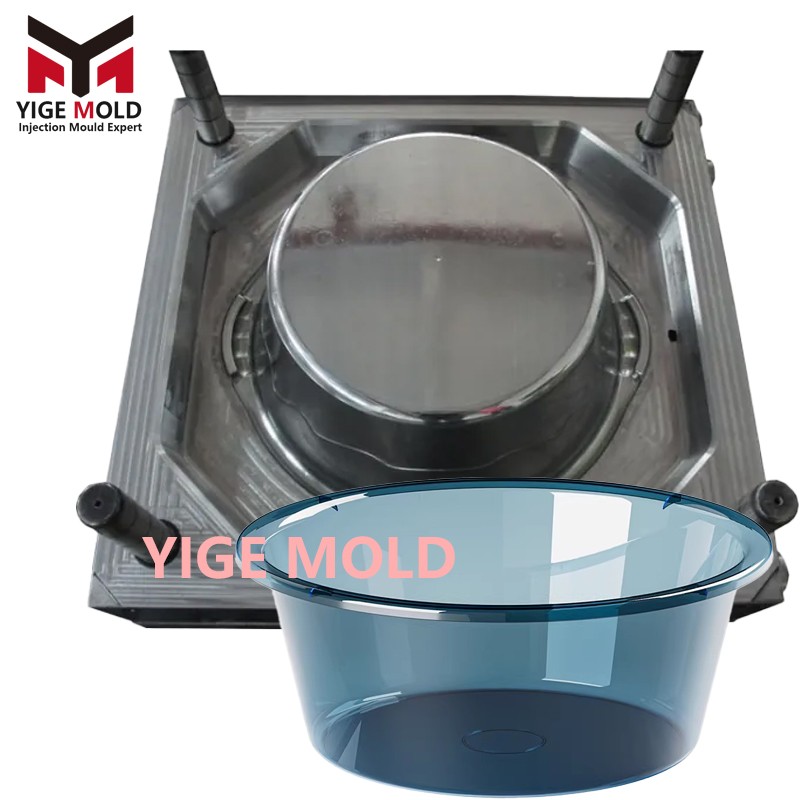
Professional transparent washbasin mold by Yige Mold designed for high light transmittance products. Made of premium mold steel with fine polishing. Ensures no flow marks and perfect clarity for transparent plastic basins....


  • Mould Name: Transparent washbasin mold
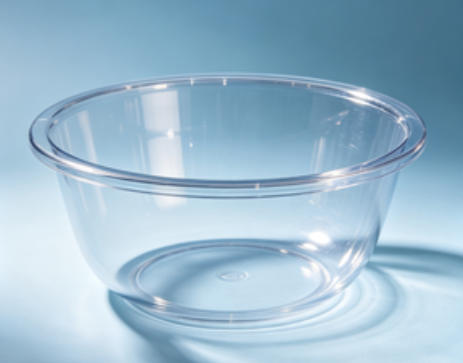
  • Mould Main Material: 718H;P20
  • Mould Cavity: 1Cavity
  • Delivery Time: 30-40 working days

Product Details

Product Tags

Transparent Washbasin Mold

Product Definition:

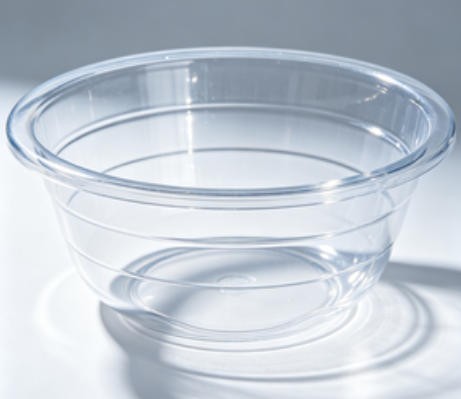
A transparent washbasin mold is a specialized injection molding tool specifically designed for manufacturing washbasins from high-transparency polymer materials, such as acrylic (PMMA), polycarbonate (PC), and MS resin. The finished product combines washing functionality with the pursuit of ultimate visual clarity and light/shadow artistic effects, classifying it as a high-end sanitaryware item. The product must meet comprehensive standards for optical performance (light transmittance ≥ 91%, haze ≤ 2%), mechanical strength, heat/chemical resistance, and hygiene/safety.

Detailed Mold Technology System:

1. Optical-Grade Cavity Manufacturing and Finishing

  • Ultra-Mirror Finishing Process Chain:

    1. Material Selection: The cavity primarily uses high-purity, extreme-polishability mold steels, such as Swedish S136 H (ESR) or German DIN 1.2083, ensuring uniform, defect-free material.

    2. Multi-Stage Polishing: Undergoes over ten steps of mechanical and manual polishing using diamond paste from #400 to #15000 grit, ultimately achieving a nanoscale mirror finish (Ra ≤ 0.005 μm). This surface acts as an optical mirror; any minute scratch or flaw will be magnified on the final product.

    3. Surface Hardening: After polishing, a hard chrome plating (thickness 0.003-0.005mm) or PVD Diamond-Like Carbon (DLC) coating is applied. This protects the surface while further enhancing release properties, preventing the transparent material from sticking.

  • Zero-Defect Runner and Venting Design:

    • Hot Runner Strategy: Requires a fully valve-gated, sequential hot runner system. Gate locations are strictly calculated via mold flow analysis, typically placed in non-primary visual areas like the back of the basin, around the drain hole, or under supporting ribs. Precise control of each valve pin's opening/closing sequence ensures a smooth melt flow front, "chasing" and hiding weld lines behind structural ribs.

    • Vacuum Venting Technology: Beyond traditional ultra-shallow venting channels (0.008-0.012mm), the mold can integrate a high-vacuum assisted venting system. After mold closing and before injection, the cavity is evacuated to below -0.08 MPa, significantly reducing splay marks, bubbles, or localized burning caused by trapped air.

2. High-Dynamic-Precision Temperature Control System

Transparent materials are extremely temperature-sensitive during molding. Temperature variations cause density differences, leading to visible flow marks, stress marks, or optical distortion.

  • Multi-Circuit Independent Precision Temperature Control:

    Example Temperature Zoning:
    ├── Main Visible Curved Surface Area (Zone 1)
    │   ├── Temperature Medium: High-temperature thermal oil
    │   ├── Set Temperature: 100 ± 0.5°C (for PMMA)
    │   └── Cooling Method: 3D-printed conformal cooling channels
    ├── Basin Bottom & Thick-Wall Support Area (Zone 2)
    │   ├── Temperature Medium: Water-glycol
    │   ├── Set Temperature: 60 ± 1°C
    │   └── Cooling Method: Baffle-cooled water wells + High thermal conductivity beryllium copper inserts
    ├── Thin-Wall Edge & Overflow Area (Zone 3)
    │   ├── Temperature Medium: Chilled water
    │   ├── Set Temperature: 15 ± 1°C
    │   └── Cooling Method: Micro-channel array
    └── Hot Runner System
        ├── Zone-independent heating
        └── Closed-loop thermocouple control, temperature variation ≤ ±1°C
  • Real-Time Monitoring & Feedback: 20-30 high-response fiber optic temperature sensors are embedded in the mold, mapping the cavity surface temperature field in real-time. Data is fed back to the control system for dynamic adjustment.

3. Low-Pressure, Low-Speed, High-Response Injection Molding Process

  • Injection Phase: Employs a multi-stage speed profile of "Low-Medium-Low" speed. Initial very low speed (5-15% of max speed) for stable gate penetration; moderate speed increase in the middle phase for main filling; final speed reduction again to prevent excessive shear and turbulence. Injection pressure is about 50-70% of that for standard products.

  • Packing and Cooling Phase: Uses a "low pressure, long time, multi-stage decreasing" packing strategy to compensate for shrinkage in a very gentle manner, minimizing internal stress. Cooling time must be precisely calculated to ensure the product is sufficiently set upon ejection, preventing subsequent deformation.

Manufacturing, Inspection, and Quality Assurance System:

1. Mold Precision Verification

  • Cavity Surface 3D Scanning Inspection: Uses high-precision blue/white light 3D scanners to obtain point cloud data of the entire cavity, comparing it fully with the original design model. Over 95% of measurement points must have a deviation within ±0.03mm.

  • Surface Finish and Texture Inspection: Uses contact profilometers or white light interferometers to quantitatively measure the polished surface roughness (Ra, Rz values) and any potential periodic textures.

2. Injection Molding Process Monitoring

  • In-Mold Pressure and Temperature Sensing: Piezoelectric pressure sensors installed at key cavity locations, coupled with temperature sensor data, monitor the filling balance and cooling status of every cycle in real-time, enabling closed-loop control of the process window.

  • Machine Vision In-Line Inspection: High-resolution CCD cameras with specific angled lighting are set at the ejection station to automatically photograph each product. AI algorithms identify appearance defects like scratches, dust, bubbles, or flow marks.

3. Finished Product Comprehensive Performance Testing

  • Optical Performance Testing: Uses integrating sphere spectrophotometers to measure light transmittance and haze; examines optical distortion in a darkroom using collimators; evaluates visual effects under specific lighting conditions.

  • Physical-Chemical Performance Testing: Includes ball drop impact tests, long-term static load tests, hot water resistance tests (85°C water immersion), cleaning agent resistance tests, and UV accelerated aging tests to ensure the product's optical performance and structural integrity do not degrade over long-term use.

Application Fields and Value:

The top-tier transparent washbasins produced by such molds transcend traditional sanitaryware, becoming art-grade components for high-end interior design. Primary applications include:

  • Model bathrooms in top-tier hotels, resorts, and luxury retail spaces.

  • Customized sanitaryware for high-end private residences, yachts, and private jets.

  • Conceptual spatial installations in art galleries, brand showrooms, and high-end clubs.

  • Special props for film/TV productions and advertisements.

Conclusion:

The transparent washbasin mold represents the pinnacle of injection mold technology in the pursuit of optical performance. It is not merely a combination of cold, hard steel, but a complex system integrating ultra-precision machining, cutting-edge materials science, computational fluid dynamics, intelligent thermal management, and extreme process control. Its development and manufacturing process is a deep exploration of the engineering-aesthetic challenge of "infusing intangible light into a tangible form." Every successfully operating mold represents a dual expansion of the boundaries of modern manufacturing precision and artistic expressiveness.


  • PREVIOUS:Plastic water container mold
  • NEXT:Portable Table Mold

  • Leave Your Message
    Write your message here and send it to us

    Products categories

    • Folding Returnable Crate Mold

    • Water Supply Pipe Fitting Mold

    • Plastic Hanger Mold

    • plastic rattan chair mold

    • Foot Pedal Garbage Bin Mold

    • Plastic table mold