Vegetable Circulation Box Mold
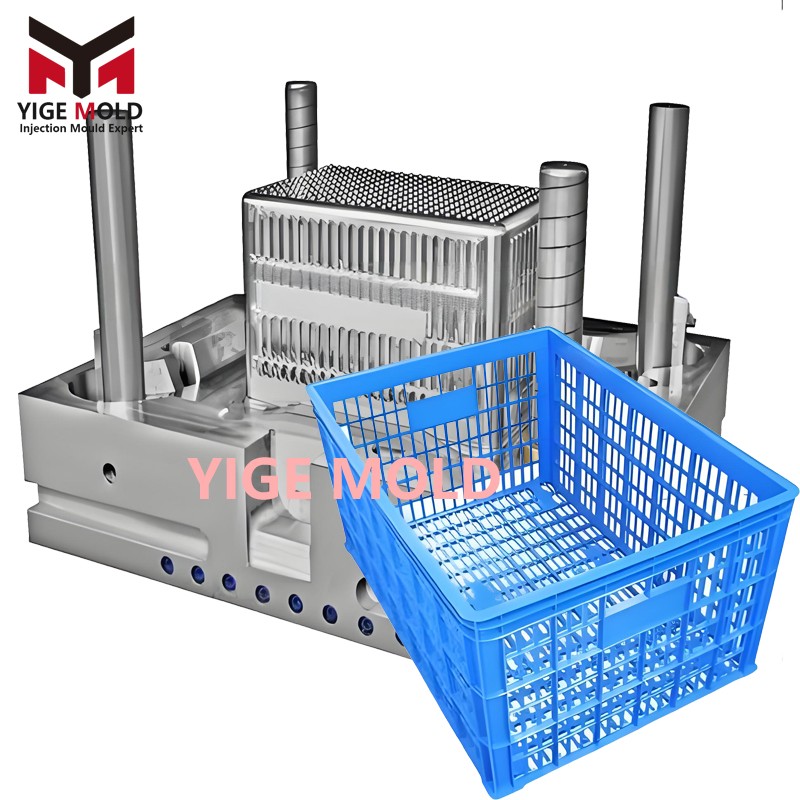
Comprehensive Technical Analysis of Vegetable Circulation Box Molds
The vegetable circulation box mold is specialized injection molding equipment designed for manufacturing standardized containers used in the storage and transport of fresh produce. This equipment focuses on structural durability, hygiene compliance, and logistical efficiency. The molds are engineered to produce robust containers that meet industry demands for handling vegetables from harvest through distribution to retail.
I. Product Function and Design Specifications
Vegetable circulation boxes serve essential roles in the fresh produce supply chain, and their molds are developed to address specific functional needs:
-
Structural and Logistical Design:
-
Molds form boxes with standardized external dimensions compatible with common logistics systems, such as pallets and transport units. Features include integrated handholds, stacking aids, and reinforced bases to ensure stability during handling and storage. Ventilation patterns, consisting of strategically placed openings, are incorporated to maintain adequate air circulation around the produce.
-
-
Hygiene and Maintenance Features:
-
The design prioritizes easy cleaning. All interior surfaces are smooth with generously rounded corners to prevent soil accumulation. Drainage channels and holes are included to allow for efficient washing and drying, supporting compliance with food safety protocols.
-
-
Durability and Reusability:
-
Molds are built to produce containers capable of withstanding repeated use in demanding conditions. This includes resistance to impact, exposure to varying temperatures, and the physical stresses of stacking when fully loaded.
-
II. Core Mold Engineering and Construction
The mold construction applies established engineering principles to achieve reliable, high-volume production:
-
Molding and Ejection System:
-
A robust ejection system with strategically placed pins ensures the deep-walled box releases cleanly from the mold without damage. For boxes with side vents or handles, side-action cores (cam-actuated or hydraulic) are employed.
-
-
Efficient Cooling System:
-
A network of cooling channels is precisely machined into the mold plates. This system manages the heat from the injected plastic, promoting uniform cooling to minimize cycle times and prevent warping or sink marks in the finished product.
-
-
Durable Mold Materials and Finishes:
-
Critical mold components are made from high-grade, pre-hardened tool steels for long life. Cavity surfaces are polished to a high gloss to impart a smooth finish to the product, and wear-resistant coatings may be applied to areas subject to high abrasion.
-
III. Manufacturing and Quality Assurance Processes
Production of these molds follows a controlled process to ensure precision and performance:
-
Precision Machining:
-
Mold bases and cavities are machined using CNC equipment for accuracy. Critical fits and sealing surfaces are finished with high-precision methods like grinding or electrical discharge machining (EDM).
-
-
Process Optimization and Testing:
-
Mold flow analysis software is used in the design phase to simulate filling and predict potential issues. Once built, the mold undergoes extensive trials to establish optimal injection parameters (pressure, temperature, speed) and to verify the quality of the produced boxes.
-
-
Product Validation Testing:
-
Boxes from the mold are subjected to standardized tests, including static and dynamic load testing to verify strength, drop testing for durability, and stacking tests to confirm stability. Compliance with relevant food contact material regulations is also verified.
-
IV. Industry Application and Value
The molds and the boxes they produce deliver significant benefits to the agricultural supply chain:
-
Improved Handling Efficiency:
-
Standardized boxes streamline operations at packing houses, during transport, and in warehouses. They are designed for easy manual or mechanical handling, reducing labor time and physical strain.
-
-
Enhanced Produce Protection:
-
The containers provide physical protection against bruising and crushing. Designed ventilation helps manage temperature and humidity, contributing to reduced spoilage and extended shelf life for the vegetables.
-
-
Economic and Environmental Benefits:
-
Durable, reusable boxes lower long-term packaging costs compared to single-use alternatives. Their longevity and recyclability at end-of-life support waste reduction and more sustainable logistics practices.
-
Continued development in this field focuses on refining material formulations for better performance, increasing the energy efficiency of the molding process, and adapting designs to meet evolving logistical and regulatory requirements. Vegetable circulation box molds are fundamental to modern, efficient produce handling, directly supporting the delivery of fresh, high-quality vegetables to consumers.