Injection Poultry Turnover Box Mold
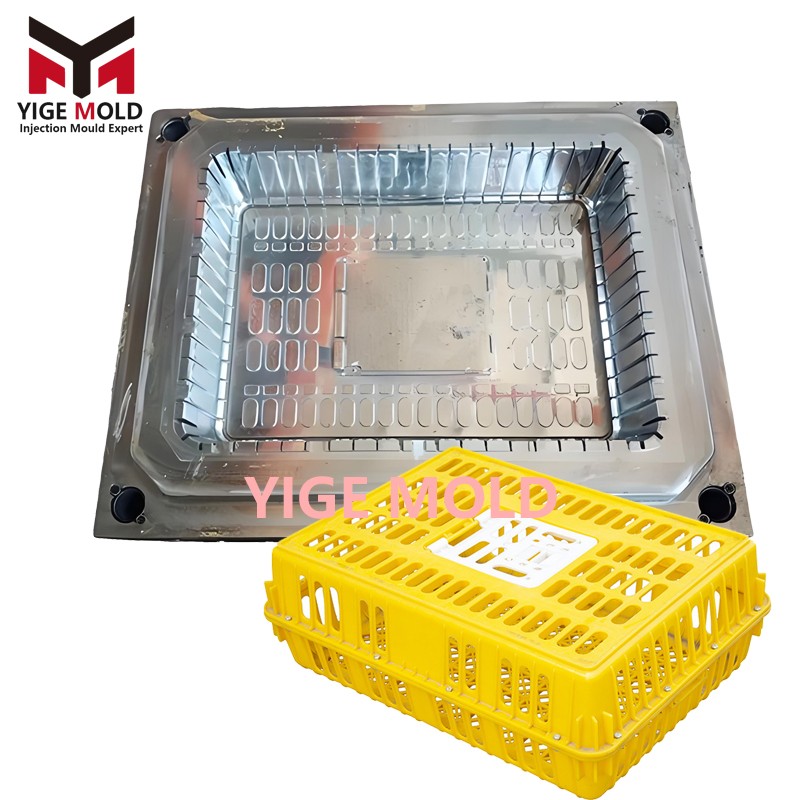
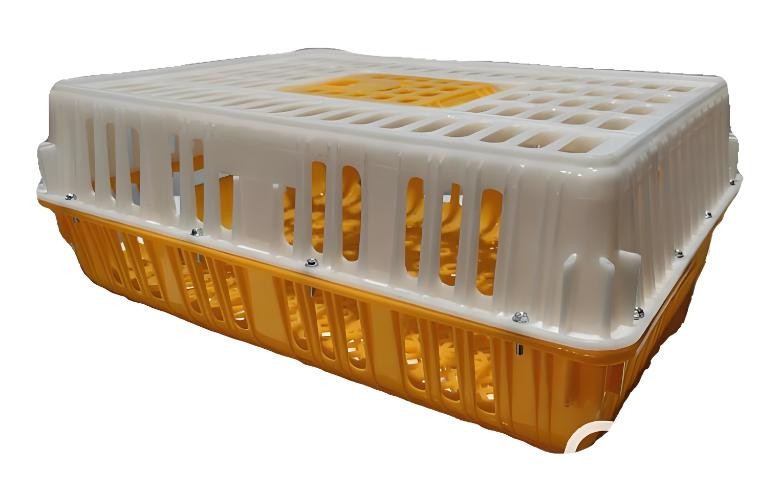
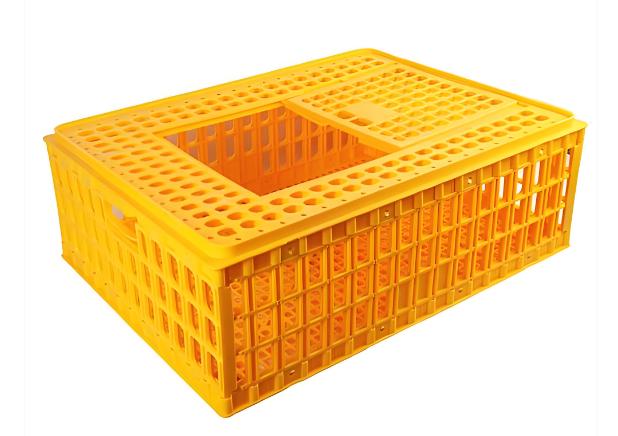
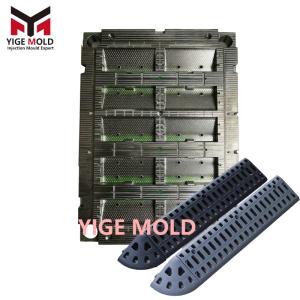
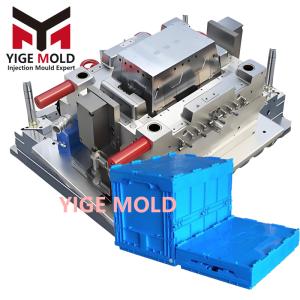
In the vast industrial chain of modern poultry farming and cold chain logistics, poultry turnover boxes serve as the core carriers for live poultry transportation, slaughterhouse circulation, and fresh agricultural product distribution. With explosive growth in demand, the behind-the-scenes core equipment supporting the mass production of these high-strength, standardized plastic containers is the "poultry turnover box injection mold." It is not only a crystallization of precision mechanical manufacturing but also a comprehensive engineering system integrating materials science, fluid mechanics, and automation control.
1. Structural and Material Design Under Harsh Operating Conditions
During transportation, poultry turnover boxes must withstand immense static loads from multi-layer stacking and severe impacts from forklift handling. Therefore, the initial mold design must embody an extremely robust structural reinforcement concept. Excellent mold designers strategically arrange reinforcing ribs and grid structures within the cavity. This not only significantly enhances the load-bearing capacity of the finished product but also minimizes raw material consumption while maintaining strength. Simultaneously, to meet the ventilation needs of fresh agricultural products, molds are typically designed with complex arrays of ventilation holes or perforated structures, which poses tremendous challenges for demolding.
Regarding steel selection, since these molds often undergo hundreds of thousands to millions of injection molding cycles, manufacturers universally use premium hardened tool steels such as P20, H13, or S136. Combined with surface heat treatment processes like nitriding, the average service life of modern high-quality poultry turnover box molds can exceed 800,000 cycles—far surpassing the industry average and substantially reducing per-unit production costs for enterprises.
2. Innovative Mechanisms Breaking Through Demolding Challenges for Large Plastic Parts
Poultry turnover boxes are characterized by large dimensions, deep cavities, and regularly arranged holes and reinforcing ribs on all sides. This results in minimal draft angles and generates massive demolding resistance. If traditional ejector plates are used for direct ejection, it often leads to product deformation, stress whitening, or even rupture. Addressing this industry pain point, mold structure design has witnessed disruptive innovations in recent years.
For instance, the industry has introduced secondary demolding mechanisms based on hydraulic cylinder ejection and fixed-side pull plates. This novel design breaks conventional thinking by eliminating traditional mold feet and ejector plate sections. Instead, it innovatively utilizes the mold opening stroke distance combined with tie rods and pull plates to draw the product out from the fixed side, achieving smooth secondary demolding. Furthermore, to reduce the overall volume of ultra-large molds and minimize floor space requirements, embedded core-pulling mechanisms and multi-layer slider core-pulling structures have been widely adopted. These precisely designed lateral core-pulling components cleverly avoid undercuts, ensuring secure connections while drastically shortening the molding cycle.
3. High-Efficiency Molding and Integration of Cutting-Edge Technologies
Beyond mechanical structural innovations, modern poultry turnover box molds have reached new heights in thermal balance control. Through advance predictions using CAE Moldflow analysis software, engineers can precisely optimize gate positions and cooling waterway layouts. Highly efficient cooling channel designs can improve cooling efficiency by approximately 20%, reducing the single molding cycle time for standard-specification turnover boxes to around 30 seconds, truly achieving cost reduction and efficiency enhancement.
Write your message here and send it to us