Poultry Cage Mold

Poultry Cage Injection Molds: Core Equipment for Modern Intensive Farming
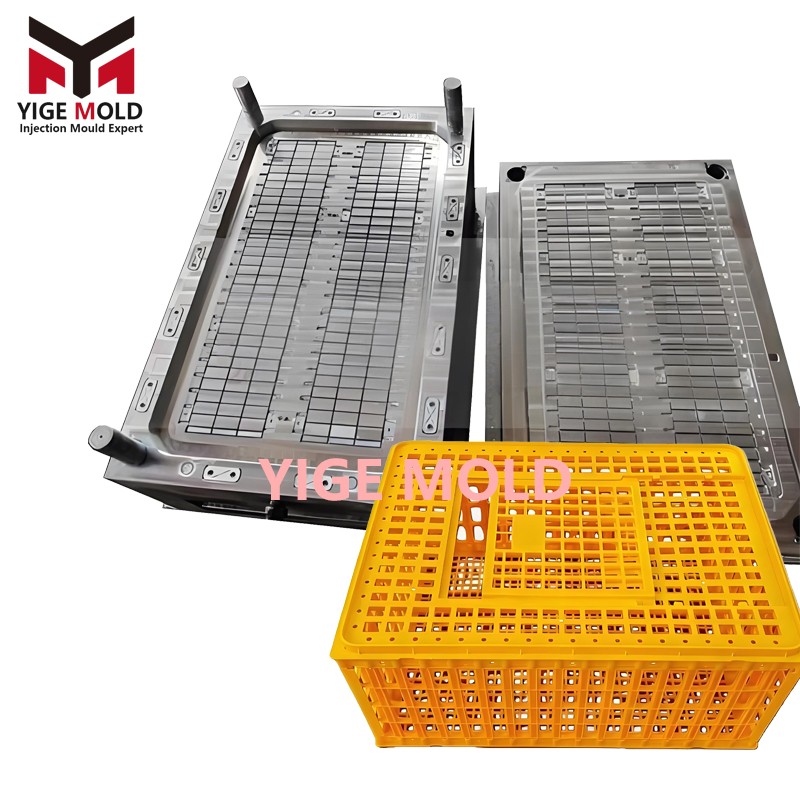
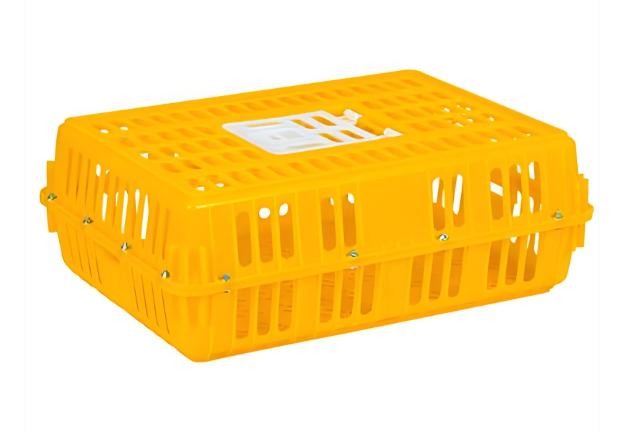
As the core equipment for modern intensive poultry farming, the manufacturing process of poultry cage molds is undergoing a profound transformation from traditional metal stamping to precision plastic injection molding. With the growing emphasis on animal welfare and the upgrading of automated farming equipment, all-plastic or semi-plastic poultry cages have gained widespread popularity due to their advantages such as ease of cleaning, corrosion resistance, and being gentle on poultry. The backbone supporting this massive industrial chain is precisely the highly complex and precise injection mold for poultry cages.
1. Structural Design and Core Elements of Poultry Cage Injection Molds
The design of the injection mold is the soul of the entire manufacturing process, directly determining the product's molding quality, production efficiency, and service life. A complete design for a poultry cage injection mold typically encompasses the following key systems:
Cavity and Core Design (Molding Components)
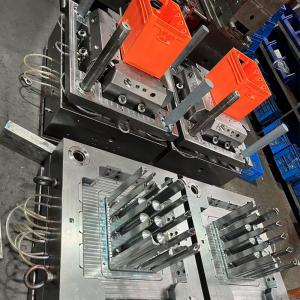
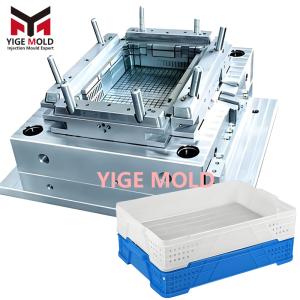
The cavity and core are the core components that give the poultry cage its geometric shape. Since poultry cages must withstand the weight of animals and frequent washing and disinfection, mold materials are mostly selected from hardened tool steels such as P20, H13, or 420 stainless steel to ensure extremely high wear resistance and hardness. During the design phase, the draft angle must be fully considered—smooth surfaces require at least 0.5°, while those with anti-slip textures need more than 1.5° to ensure smooth demolding without scratching the surface. Meanwhile, to enhance the load-bearing rigidity of the cage and prevent deformation, reinforcing ribs are reasonably arranged in the design, with their thickness generally controlled between 0.5 and 0.7 times the main wall thickness.
The cavity and core are the core components that give the poultry cage its geometric shape. Since poultry cages must withstand the weight of animals and frequent washing and disinfection, mold materials are mostly selected from hardened tool steels such as P20, H13, or 420 stainless steel to ensure extremely high wear resistance and hardness. During the design phase, the draft angle must be fully considered—smooth surfaces require at least 0.5°, while those with anti-slip textures need more than 1.5° to ensure smooth demolding without scratching the surface. Meanwhile, to enhance the load-bearing rigidity of the cage and prevent deformation, reinforcing ribs are reasonably arranged in the design, with their thickness generally controlled between 0.5 and 0.7 times the main wall thickness.
Gating System and Venting System
The runner system accurately transports molten engineering plastics (such as ABS, PP, PC, etc.) from the machine nozzle into the cavity. For large-scale poultry cage molds, hot runner technology is often adopted to avoid generating waste and shorten the molding cycle. The position of the gate is crucial; it is usually set at thicker walls to ensure smooth mold filling and must avoid slender cores to prevent misalignment caused by melt impact. In addition, due to the complex structure of poultry cages, a well-designed venting system (usually utilizing parting line gaps or dedicated vent slots) is essential to exhaust trapped air and prevent defects like bubbles or burn marks on the product.
The runner system accurately transports molten engineering plastics (such as ABS, PP, PC, etc.) from the machine nozzle into the cavity. For large-scale poultry cage molds, hot runner technology is often adopted to avoid generating waste and shorten the molding cycle. The position of the gate is crucial; it is usually set at thicker walls to ensure smooth mold filling and must avoid slender cores to prevent misalignment caused by melt impact. In addition, due to the complex structure of poultry cages, a well-designed venting system (usually utilizing parting line gaps or dedicated vent slots) is essential to exhaust trapped air and prevent defects like bubbles or burn marks on the product.
Cooling System and Ejection Mechanism
In the injection molding cycle, cooling time accounts for 60% to 80%. An efficient layout of cooling water channels (typically located at a distance of 2-3 times the channel diameter from the cavity surface) can achieve uniform heat dissipation, significantly shortening the production cycle and reducing warpage deformation of the product. After the product cools and solidifies, the ejection system is responsible for removing it without damage. A reasonable layout of ejector pins or pusher plates needs to be concentrated in areas prone to sticking, such as deep ribs and bosses, ensuring an evenly distributed ejection force to prevent the poultry cage from breaking or whitening due to uneven stress.
In the injection molding cycle, cooling time accounts for 60% to 80%. An efficient layout of cooling water channels (typically located at a distance of 2-3 times the channel diameter from the cavity surface) can achieve uniform heat dissipation, significantly shortening the production cycle and reducing warpage deformation of the product. After the product cools and solidifies, the ejection system is responsible for removing it without damage. A reasonable layout of ejector pins or pusher plates needs to be concentrated in areas prone to sticking, such as deep ribs and bosses, ensuring an evenly distributed ejection force to prevent the poultry cage from breaking or whitening due to uneven stress.
2. Rigorous Manufacturing Process
Transforming drawings into high-precision physical objects requires a series of strict mechanical processing and assembly procedures:
Digital Modeling and Moldflow Analysis
Manufacturers first use professional software like CAD, UG, or SolidWorks for 3D structural design. Based on this, moldflow analysis software is utilized to simulate the flow, packing, and cooling processes of the plastic melt inside the mold. This helps predict potential defects such as stress concentration, sink marks, and weld lines in advance, thereby optimizing the gate position and cooling waterway design.
Manufacturers first use professional software like CAD, UG, or SolidWorks for 3D structural design. Based on this, moldflow analysis software is utilized to simulate the flow, packing, and cooling processes of the plastic melt inside the mold. This helps predict potential defects such as stress concentration, sink marks, and weld lines in advance, thereby optimizing the gate position and cooling waterway design.
High-Precision CNC Machining
Mold bases, complex cores, and cavities all rely on Computer Numerical Control (CNC) machines, Electrical Discharge Machining (EDM), and wire cutting equipment for precision manufacturing. To ensure perfect alignment between the moving and fixed molds, the machining accuracy requirements for guiding components (guide posts and guide bushings) are exceptionally high.
Mold bases, complex cores, and cavities all rely on Computer Numerical Control (CNC) machines, Electrical Discharge Machining (EDM), and wire cutting equipment for precision manufacturing. To ensure perfect alignment between the moving and fixed molds, the machining accuracy requirements for guiding components (guide posts and guide bushings) are exceptionally high.
Assembly, Testing, and Surface Treatment
After all parts are machined, they enter a dust-free assembly stage. Once assembled, mold trials and debugging must be conducted. Through multiple sampling tests, the precision, stability, and smoothness of the mold opening and closing are verified. Given the special operating conditions of poultry cage molds, surface treatment processes such as polishing, nitriding, or chrome plating are also applied to the molding components to further enhance their corrosion resistance and service life.
After all parts are machined, they enter a dust-free assembly stage. Once assembled, mold trials and debugging must be conducted. Through multiple sampling tests, the precision, stability, and smoothness of the mold opening and closing are verified. Given the special operating conditions of poultry cage molds, surface treatment processes such as polishing, nitriding, or chrome plating are also applied to the molding components to further enhance their corrosion resistance and service life.
Write your message here and send it to us