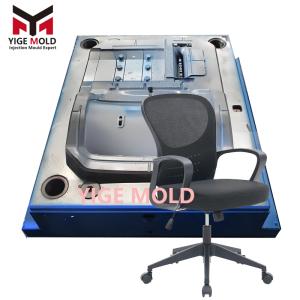
Stackable Stool Molds
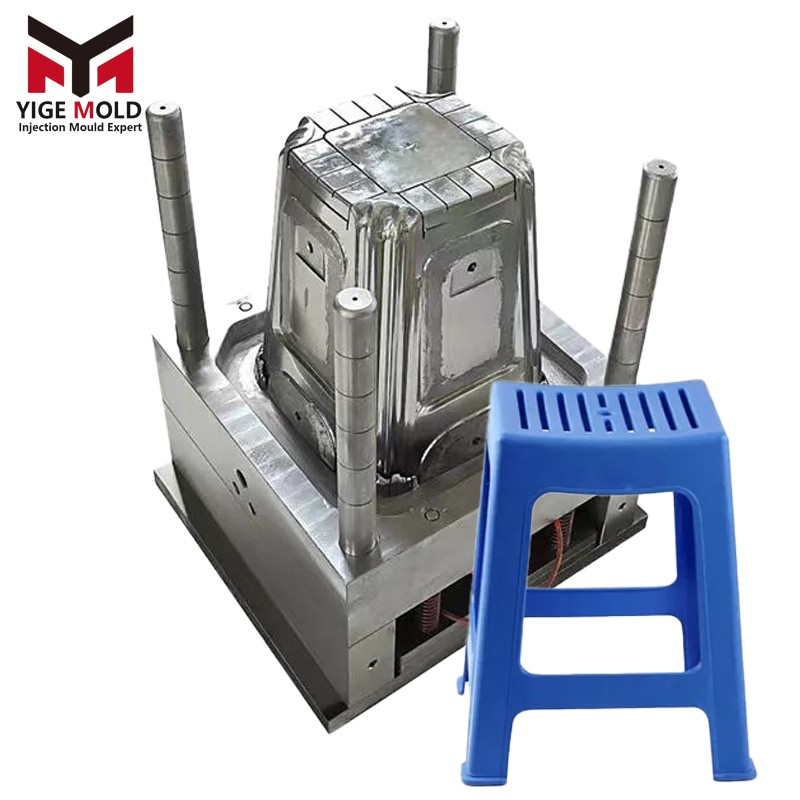
 Introduction to Stackable Stool Molds
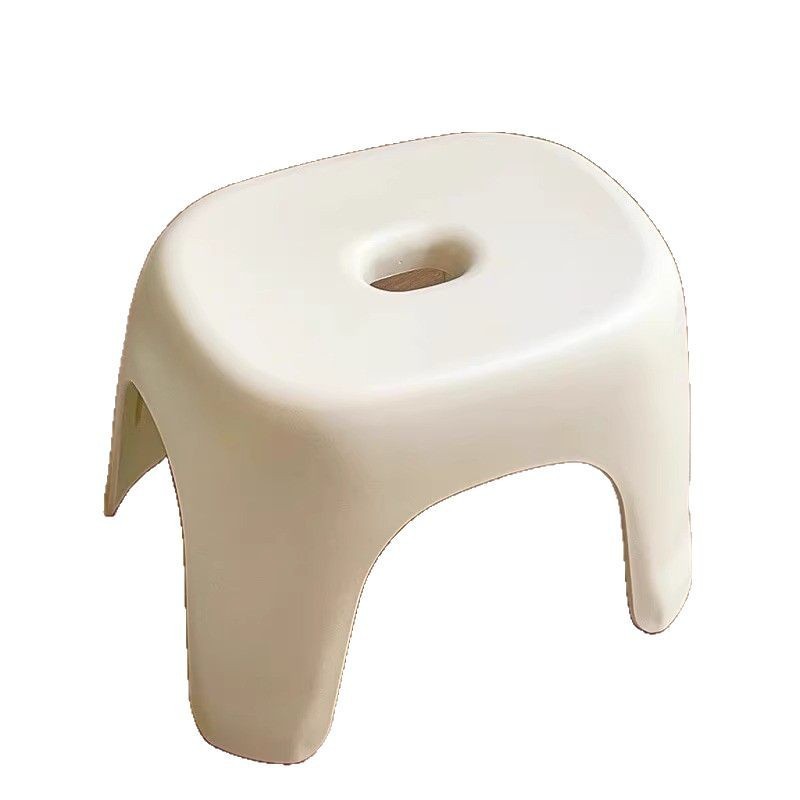
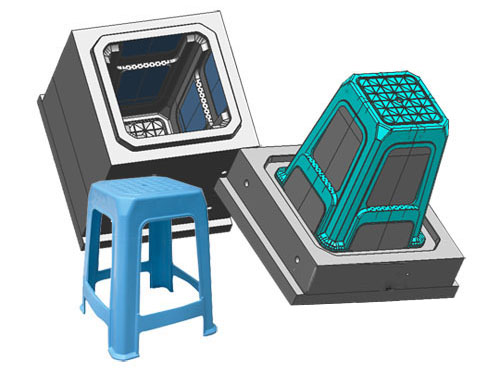
Stackable stool molds are core tooling in the field of injection molding, specifically dedicated to the production of various types of stackable stools. They occupy a key position in the manufacturing of stools for scenarios such as household goods, commercial facilities, and outdoor leisure. Through precise structural design and precision machining, these molds efficiently shape plastic raw materials such as PP and ABS into stool products with stable stacking performance. They not only solve the problem of traditional stools occupying storage space but also meet the dual demands of efficiency and quality in mass production, becoming an important carrier connecting mold manufacturing with the production of space-friendly furniture.
As modern life places increasing emphasis on space utilization, stackable stools are upgrading from simply being "stackable" to offering "stable stacking, easy separation, and high adaptability." Correspondingly, mold design incorporates more refined considerations, covering precise matching of stacking structures, optimization of demolding efficiency, and balancing product strength, providing customized solutions for stool production in various scenarios.
The core value of stackable stool molds lies in achieving the dual goals of "efficient stacking" and "stable molding" for stool products. Unlike ordinary stool molds, their design must simultaneously consider the load-bearing stability of the product during use and the stacking adaptability during storage. The mold cavity must not only shape an ergonomic seat surface and stable leg structure but also precisely form details such as concave-convex slots and limit protrusions used for stacking. This ensures that multiple stools fit tightly without wobbling when stacked and can be easily separated without jamming.
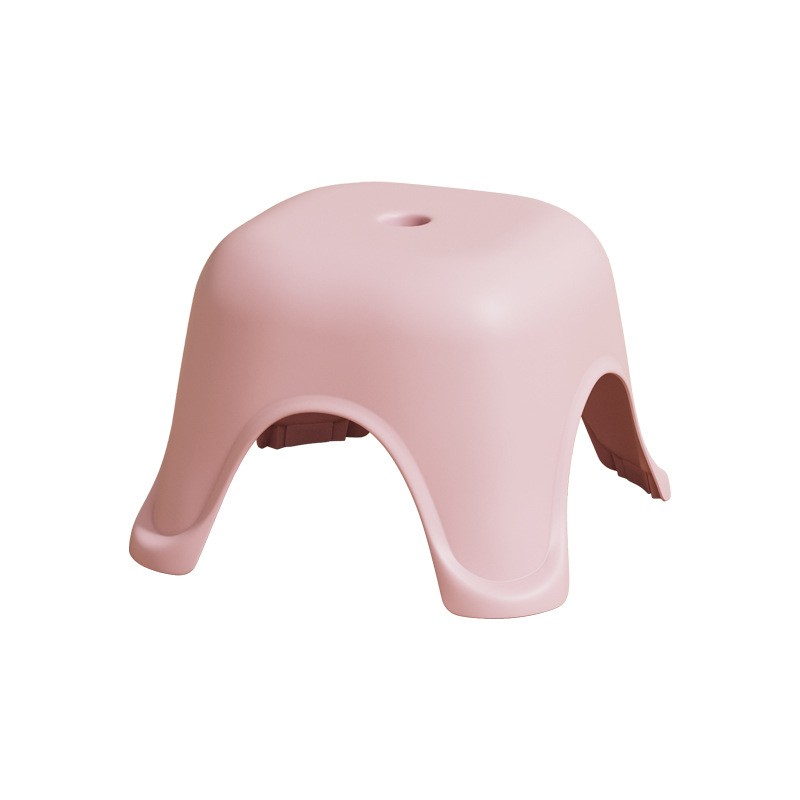
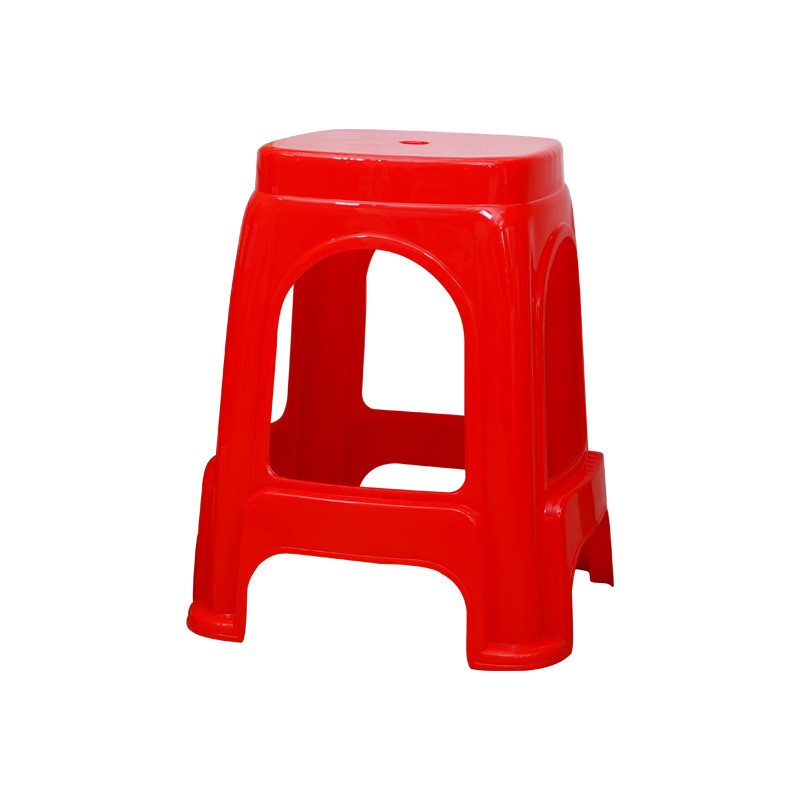
These molds are suitable for a wide variety of stool types, including household low stools, dining high chairs, outdoor folding stools, and commercial conference chairs. Differences in stacking requirements across scenarios drive the diversification of mold design. For example, molds for household stools focus more on the aesthetic neatness after stacking, while commercial molds emphasize the overall stability of multiple stacked units to prevent tipping risks during handling.
Material selection directly determines the service life and molding precision of the mold. The industry generally uses high-quality alloy steel as the core raw material, matching corresponding grades of steel to the functional characteristics of different components. The cavity, as the key component directly shaping the stool's appearance and stacking structure, mostly uses steels like S136 and P20, which possess both high hardness and good polishability. After heat treatment, the hardness of these steels can reach HRC45-52. This allows them to resist the high-temperature scouring and long-term wear of plastic melts while achieving a smooth, burr-free seat surface through fine polishing. It also ensures the dimensional precision of stacking slots, preventing stacking gaps from becoming too large or small due to cavity wear.
Components such as the ejection system and gating system use tougher materials like Cr12MoV and 45# steel. These can withstand the high-pressure impact during injection molding while ensuring the stability of the ejection process, preventing deformation of the stool due to uneven force during demolding, which would affect stacking fit. Some high-end molds also undergo nitriding treatment on the cavity surface to further improve wear resistance and demolding performance, reducing the impact of plastic residue on the precision of the stacking structure.
The design of a stackable stool mold is a systematic process integrating structural mechanics, rheology, and practical requirements, centering on three cores: "stacking adaptability," "molding stability," and "demolding convenience." Regarding stacking structure design, designers must determine the stacking method based on the stool's usage scenario. Common methods include "nested stacking" and "latch-style stacking." The former achieves tight stacking through the concave-convex matching of the seat and legs. The mold must precisely control the dimensional tolerances of the concave-convex structures, ensuring the gap during stacking is controlled within 0.5-1mm, guaranteeing stability while avoiding difficulty in separation due to being too tight. The latter relies on elastic latches at the bottom of the legs cooperating with limit slots on the stool above. The mold must design a reasonable elastic structure for the latches to ensure they can firmly lock the upper stool while allowing for quick separation with a slight press.
The design of the gating system must combine the fluidity of the plastic raw material with the structural complexity of the stool, adopting "multi-point balanced gate" or "submarine gate" designs. This avoids uneven plastic flow caused by a single gate, preventing defects such as sink marks and air bubbles. Especially for stools with reinforcing ribs, it is necessary to ensure the plastic fully fills the connection areas between the ribs and the seat to guarantee overall product strength. The ejection system must optimize the layout of ejector pins based on the stool's stacking structure. For nested stacking stools, pins must be evenly distributed in the recessed areas of the seat and the protruding areas of the legs to avoid deformation of the stacking structure due to excessive local force during ejection. For latch-style stacking stools, auxiliary ejection mechanisms must be set up at the latch areas to prevent damage to the latches due to excessive elastic deformation during ejection.
The design of the cooling system must balance molding efficiency with product precision. Cooling water channels should be arranged reasonably according to the wall thickness distribution of the stool. For thicker slot and protrusion areas in the stacking structure, cooling channels should be densified, or "baffle cooling" designs should be used to ensure uniform cooling of these key areas. This reduces dimensional deviations caused by uneven cooling and prevents excessive local shrinkage from affecting stacking fit. At the same time, the mold must feature reasonable venting structures. Venting grooves should be placed in areas prone to air trapping, such as stacking slots and reinforcing ribs, to prevent defects like short shots and burning caused by trapped air during injection, ensuring the integrity of the stacking structure.
The manufacturing process of stackable stool molds involves multiple precision steps. From rough machining to finishing, every step must strictly control precision to ensure assembly and molding accuracy meet design requirements. The rough machining stage uses CNC milling machines to process the contours of mold components, leaving a finishing allowance of 0.2-0.5mm. The finishing stage combines high-speed machining centers with Electrical Discharge Machining (EDM). For complex structures like stacking slots and limit protrusions, EDM is used to achieve precise shaping, ensuring dimensional tolerances are controlled within ±0.02mm.
The polishing process is key to ensuring product appearance and stacking performance. The cavity surface must undergo multiple stages of grinding, progressing from coarse sandpaper to mirror polishing compounds. This brings the seat surface and stacking contact areas to a mirror finish, reducing plastic residue while improving stacking fit.
The assembly stage requires strictly assembling mold components according to design drawings. It involves debugging the synchronization of the ejection system, the flow of the gating system, and the sealing of the cooling system. Trial molding is used to verify the adaptability of the stacking structure. Stools produced during trial molding are stacked in multiples to test stability and ease of separation. If stacking is too tight or too loose, the mold's stacking structure requires fine-tuning until the ideal effect is achieved. During trial molding, injection process parameters such as melt temperature, injection pressure, and cooling time must also be optimized to ensure the product has sufficient load-bearing capacity and surface quality while meeting stacking performance requirements.
The core advantages of stackable stool molds are reflected in three aspects: spatial adaptability, production efficiency, and product durability. In terms of spatial adaptability, stools produced by these molds can be tightly stacked, with the stacked height being only 1.2-1.5 times that of a single stool, significantly saving storage space and meeting the needs of households, restaurants, and conference rooms. Regarding production efficiency, the molds use multi-cavity designs, producing 2-4 stools per injection. The molding cycle takes only 20-35 seconds, and a single injection molding machine can produce thousands of stools daily, meeting mass production efficiency demands. In terms of product durability, the high precision of the mold and the use of high-quality steel ensure the long-term stability of the stool's stacking structure. Even after multiple stacking and separation cycles, issues like slot wear or latch loosening do not occur. Additionally, the stools themselves can bear loads of 150-200kg, meeting daily usage needs.
As the core tool for realizing "space-friendly" stool design, the design and manufacturing level of stackable stool molds directly affects product market competitiveness. As consumer demands for furniture storage convenience and aesthetics continue to rise, mold design will place greater emphasis on detailing optimization of stacking structures, such as adding anti-slip designs during stacking and optimizing force structures for separation. Simultaneously, combining these with the characteristics of new plastic materials will further enhance product lightweighting and durability. Domestic mold manufacturers have formed mature design and production systems, capable of providing customized solutions based on different client needs. From simple household models to multi-functional commercial versions, all types of stackable stool molds can achieve efficient production, providing strong support for the space optimization needs of the modern furniture industry.