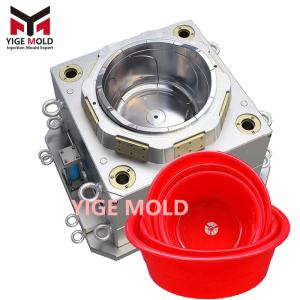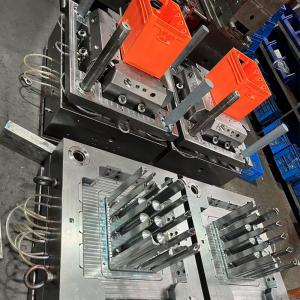
Plastic food container mold
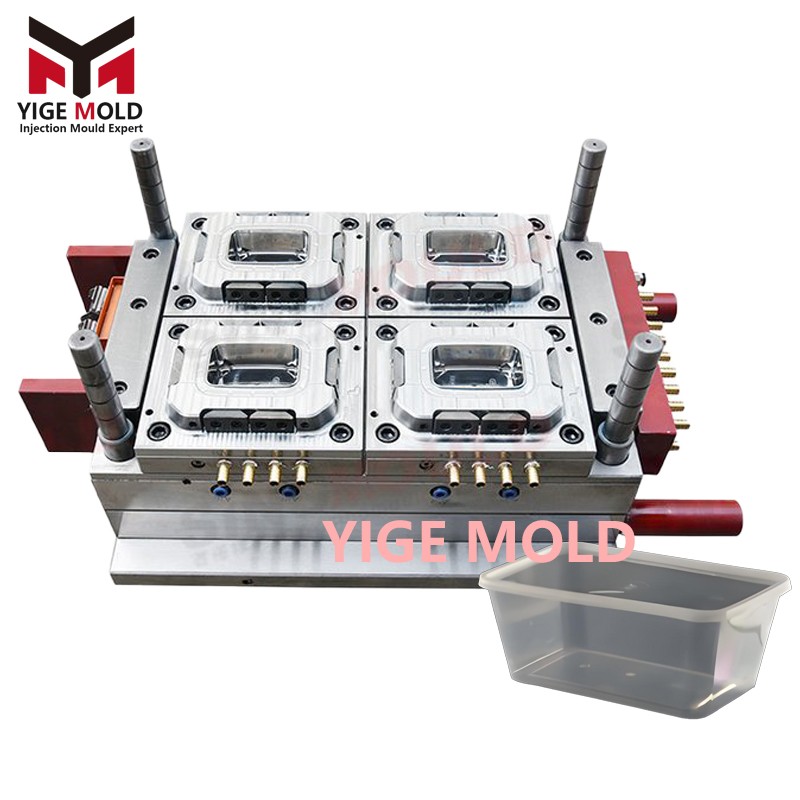
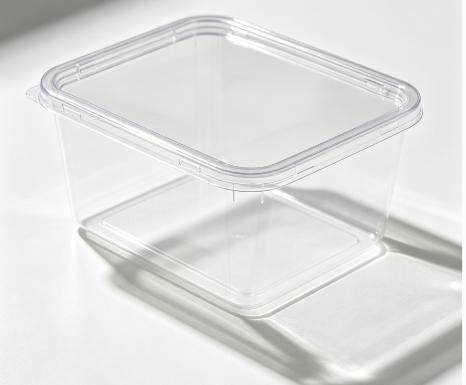
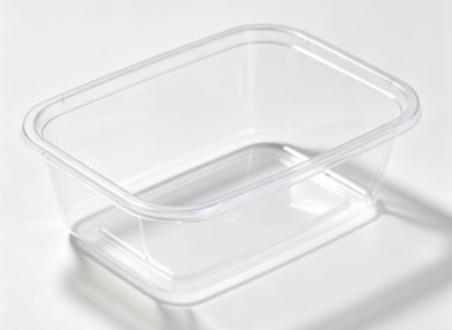 Plastic Food Container Mold: Hygiene Standards and Precision Thin-Wall Molding
I. Product Definition and Compliance Threshold
The Plastic Food Container Mold, technically termed the "Food-Grade Packaging Injection Mold," is a specialized tool subject to stringent regulations imposed by authorities such as the FDA (Food and Drug Administration) and SGS. Unlike general industrial parts, the finished products (e.g., lunch boxes, fresh-keeping containers, microwave bowls) come into direct contact with the human oral cavity. Consequently, mold design must not only satisfy molding requirements but also adhere to biosafety standards of "Zero Extractables, No Dead Zones, and Easy Cleanability."
Mainstream material choices are locked into Polypropylene (PP) or Tritan™ Copolyester. The former must withstand 121 °C steam sterilization, while the latter requires glass-like transparency combined with high impact resistance.
II. The "Aseptic" Logic of Mold Design
The core of food container mold design lies in eliminating bacterial breeding grounds and ensuring extreme dimensional sealing.
1. Self-Degating Design of the Gating System
To prevent impurities or cold slug contamination, exposed gates are avoided.
-
Submarine Gates: Gates are submerged beneath the container rim or behind internal locking tabs. Upon mold opening, the shearing force from ejector pins or sliders automatically severs the gate, enabling "tail-free" production without secondary trimming.
-
Valve Gate Hot Runners: For high-end transparent containers (e.g., yogurt cups), valve-gated nozzles are employed. When closed, the valve pin is flush with the cavity surface (Zero-Gap), completely eliminating "carbon deposit dead zones" at the gate and blocking potential bacterial harborage at the source.
2. Anti-Fouling Treatment of Parting Lines
The parting line design for food molds is critically precise.
-
Reverse Draft Venting and Overflow Grooves: Extremely shallow overflow grooves (depth 0.01–0.015 mm) are machined outside the primary parting surface. These grooves expel minute air to prevent burn marks while containing thin flash; this flash typically fractures and falls away cleanly upon ejection, unlike the stubborn burrs produced by standard molds.
III. Core Manufacturing: The Interplay of Mirror Finish and Corrosion Resistance
1. Biochemical Defense of Cavity Steel
-
The Rise of Stainless Steel: Traditional P20 steel is prone to rust under moisture and acidic additives. Therefore, food molds prioritize STP (Martensitic Stainless Steel) or NAK80 (Pre-hardened Stainless Steel). These materials not only meet hardness requirements (HRC 30–35) but, crucially, possess superior corrosion resistance, enduring frequent sanitization without generating red rust that could contaminate products.
-
Mirror Polishing: For ease of cleaning and visual appeal, container inner walls demand exceptional smoothness (Ra ≤ 0.05 μm). The process involves "Diamond Paste Progressive Polishing," advancing from #800 to #3000 grit until the cavity surface reflects a clear human image.
2. Precision Machining of Threads and Seals
Food containers often feature screw caps or snap locks.
-
Hot Runner + Nitrogen Blanket: For transparent Tritan materials, a Nitrogen Curtain is introduced into the hot runner system to prevent oxidation and yellowing at high temperatures.
-
Precision Pitch Control: Bottle cap threads utilize "EDM Rib Machining" (orbital walking) to ensure full thread profiles without flash, maintaining a配合精度 (mating accuracy) within ±0.05 mm to prevent leakage.
IV. Thermal Control System: Balancing Transparency and Warp-Free Molding
1. Rapid Heat Cycle Molding (RHCM)
For containers demanding ultra-high surface gloss, molds utilize Steam/Water Switching technology for high-gloss, trace-free injection.
-
Operating Principle: Prior to clamping, a mold temperature controller injects high-temperature steam to instantly heat the mold to 140 °C, allowing the melt to replicate surface textures flawlessly. Immediately after filling, cold water (15 °C) is switched in for rapid cooling and solidification. This process eliminates weld lines entirely, imparting a ceramic-like luster to the container.
2. Micro-Channel Waterline Layout
Due to thin walls (typically 0.8–1.2 mm), cooling must be extremely gentle.
-
Beryllium Copper Insert Heat Transfer: In slender handles or thin-walled corners, Beryllium Copper (BeCu) inserts are embedded. Leveraging their thermal conductivity (three times that of steel), heat is rapidly drawn out to prevent warpage caused by localized overheating.
V. Ejection and Automated Inspection
1. Silent Ejection Design
Food containers are often thin-walled with insufficient rigidity.
-
Air-Assisted Ejection: Compressed air is introduced through the center of the ejector pin, creating an air cushion that allows the product to "float" free without mechanical contact, preventing stress whitening around pin marks.
2. Integrated Online Vision Inspection
The mold design incorporates interfaces for CCD Cameras.
-
Defect Rejection: After molding, a robotic arm places the product at an inspection station where a high-definition camera scans the container rim for flash, deformation, or short shots. Upon detecting anomalies, the mold control system signals the robot to sort the next cycle's product into a reject chute.
VI. Conclusion
The Plastic Food Container Mold stands as a dual benchmark in the injection molding industry for "Ethics and Technology." It must not only shape aesthetically pleasing and functional vessels but also bear the heavy responsibility of safeguarding human dietary health. From anti-rust mirror-finish steel to intelligent systems capable of self-rejecting defects, every gram of plastic flow is under strict surveillance. In this domain, the mold is not merely a production tool; it is the final line of defense connecting industrial civilization with healthy living.